


Celebrity Conjecture: Unpacking the Taylor Swift-Travis Kelce Wedding Rumor Mill
POLICY WIRE — New York, USA — August 26, 2025, might seem like a distant future for many, but for a devoted segment of the global pop culture following, this sp...

POLICY WIRE — New York, USA — August 26, 2025, might seem like a distant future for many, but for a devoted segment of the global pop culture following, this specific date is reportedly already etched into their collective consciousness. This is, according to various fan communities, the projected date on which music icon Taylor Swift and NFL star Travis Kelce are anticipated to announce their engagement via Instagram. (Reporting based on wire reports)
Since this hypothetical future announcement has apparently gained traction among fans, known colloquially as ‘Swifties,’ an intense focus has shifted towards deciphering the intricate details surrounding a potential wedding. The frenzy extends beyond simple interest, evolving into a dedicated, almost investigative pursuit for information about when and where such a high-profile event might take place, even as its precursor event remains in the realm of future conjecture.
This phenomenon underscores the unique dynamics of modern celebrity culture, where the line between verified fact and aspirational rumor often blurs, particularly when fueled by a highly engaged, digitally native fanbase. The precise mechanism by which August 26, 2025, became the designated engagement announcement date is not detailed, yet its persistence illustrates the powerful narrative-building capacity of online communities.
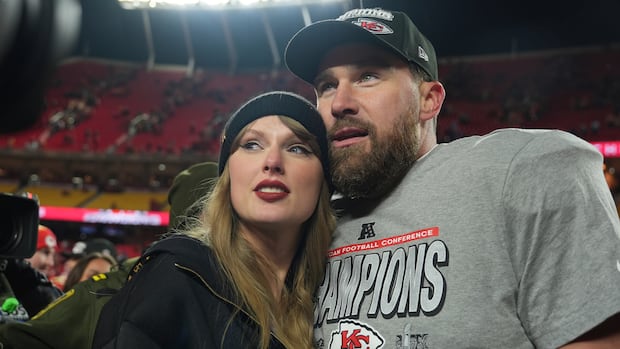
The relationship between Swift, a globally recognized pop superstar, and Kelce, a prominent athlete for the Kansas City Chiefs, has captivated public attention since it first became widely publicized. Their appearances at each other’s events, from NFL games to international tour dates, have generated extensive media coverage and significant social media engagement. This consistent visibility has cultivated a fertile ground for speculation, elevating their private lives into a public spectacle.
The intensity of fan engagement around celebrities like Swift is not merely a testament to their individual star power but also reflects a broader societal trend. In an era dominated by social media and 24/7 news cycles, fans often feel a heightened sense of proximity and investment in the lives of public figures. This digital intimacy, often cultivated through curated online presences, paradoxically creates a demand for even more unvarnished or ‘insider’ information, which the traditional media landscape, and subsequently the online rumor mill, eagerly supplies.
For celebrities, managing public perception and the flow of personal information becomes a continuous, high-stakes endeavor. While public interest can undoubtedly boost careers and amplify platforms, it also brings with it an unprecedented level of scrutiny and, at times, invasive conjecture. The Swift-Kelce dynamic exemplifies this duality: their romance enhances their respective brands, yet it simultaneously subjects every interaction to analysis and every date to predictive scheduling by their admirers.
This level of sustained interest has demonstrable economic impacts, influencing everything from social media trends and search engine optimization to the valuation of media companies and even casual merchandise. The sheer volume of online discourse surrounding celebrity relationships transforms intangible curiosity into measurable digital footprint, underscoring the commercial value embedded within pop culture narratives.
The discussion surrounding the hypothetical wedding details — venues, guest lists, dates — showcases the power of collective fan imagination. These conversations, often taking place across social media platforms and fan forums, become self-sustaining ecosystems of information sharing, verification attempts, and continued hypothesis generation, largely independent of any official pronouncements. This dynamic reflects an evolution in how news, particularly celebrity news, is consumed and disseminated, moving from top-down authoritative sources to more distributed, peer-driven networks of information.
What This Means
The pervasive rumors concerning Taylor Swift and Travis Kelce’s anticipated engagement and wedding offer more than just a fleeting glimpse into celebrity gossip; they serve as a case study in contemporary media and fan culture. The concept of fans collectively assigning a future date to a major life event, then immediately building subsequent speculation upon that date, highlights the creative and often prescient nature of engaged online communities. While such predictions can sometimes be coincidental, they frequently reflect a deep dive into subtle cues, past behaviors, and public statements by the individuals involved, combined with an active desire for certain outcomes.
From a media perspective, this episode illustrates the commercial potency of ongoing celebrity narratives. The ability to generate sustained conversation, even about unconfirmed future events, ensures continuous engagement and drives significant traffic to news outlets, social media platforms, and fan-generated content. For public figures, it underlines the intricate balance between cultivating accessibility and protecting personal boundaries. As the digital age progresses, understanding and navigating these complex interactions between celebrity, fan, and media will only become more critical in shaping public personas and managing personal privacy.