


Brussels Bureaucracy Trains Icy Gaze on Germany’s Far-Right
POLICY WIRE — Brussels, Belgium — The often-maligned machinery of the European Union isn’t typically known for its dramatic flair. But beneath the layers of directives and sub-committees, a...

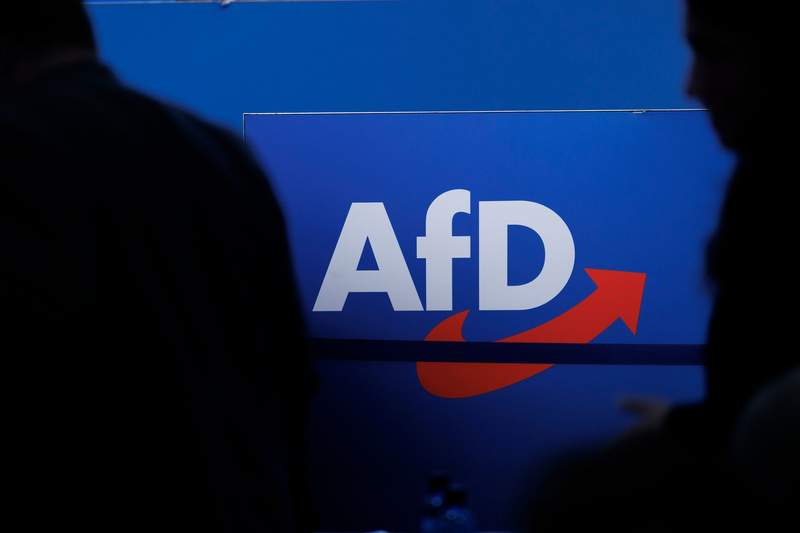
POLICY WIRE — Brussels, Belgium — The often-maligned machinery of the European Union isn’t typically known for its dramatic flair. But beneath the layers of directives and sub-committees, a different kind of drama unfolds—a slow, institutional reckoning that often says more about the state of European democracy than any fiery plenary debate. Right now, those methodical gears are grinding over the Alternative for Germany (AfD)’s European parliamentary allies, creating a distinct chill in the corridors of power. This isn’t just about spreadsheets; it’s about bedrock principles.
It’s an almost esoteric administrative process, really. The European Parliament’s Bureau, that body tasked with managing the assembly’s budgets and its general internal operations (not exactly the stuff of thrilling headlines, is it?), has decided to take a very close look at the AfD’s primary grouping within the European Parliament: the Identity and Democracy (ID) party. They’re asking the ID party—which receives a tidy sum of European taxpayer money—to show its work. And they want to make sure that work aligns with, you know, basic democratic principles.
Because let’s be honest, for the European Parliament, money talks, — and sometimes it whispers worries about integrity. Reports surfaced, rather conveniently ahead of a looming European election, that the AfD and some of its ID partners might’ve gotten a bit cozy with unsavory foreign influence. Whispers about Russia and China aren’t exactly new in European politics, but when those whispers start circling official EU funds, well, even the most phlegmatic bureaucrat sits up. They’re checking whether this political party, receiving substantial grants to promote European integration, is actually doing the opposite.
A recent Eurobarometer poll, conducted in early 2024, revealed that 68% of EU citizens consider extremist political views a significant threat to democratic institutions, a 15-point jump from five years ago. This widespread anxiety likely fuels the urgency for such a review. If the Bureau’s findings are uncharitable—meaning, if they determine the ID party hasn’t been a good steward of EU values or funds—they could dock significant portions of the party’s European purse. We’re talking about potentially millions of euros, the kind of money that bankrolls campaigns, outreach, and the occasional staff junket.
And because Brussels doesn’t like to rush these things—they’ve asked for clarification from the ID party, a formal request for information to check [QUOTE_PLACEHOLDER] what its program is and what it stands for, and also to take stock [QUOTE_PLACEHOLDER] of everything going on in Europe. That’s official-speak for ‘we’re watching, — and we’re counting.’
But it’s more than just money changing hands. It’s the whole ethos, isn’t it? The AfD’s public narrative, sometimes borderline xenophobic—if not overtly so—challenges the foundational idea of a diverse, open Europe. This kind of scrutiny from Brussels isn’t just administrative; it’s symbolic. It suggests that even within the liberal-democratic framework of the EU, there are forces openly testing the limits of tolerance, pushing boundaries that many believed were settled post-World War II. And this institutional pushback? It’s slow. It’s formal. But it can sting.
This isn’t an isolated European phenomenon, either. This quiet institutional pushback against anti-democratic tendencies finds uncomfortable parallels elsewhere. Look at South Asia, where democratic norms are constantly tested against populist rhetoric, often tied to identity and religion. Countries like Pakistan routinely grapple with questions of national values and external influences, much like Europe now frets over its internal cohesion and external meddling. The institutional checks in place, however imperfect, are what often define the resilience of a system—and how it responds to challenges from within. What Brussels does here, or how forcefully, might just send ripples far beyond the continent, reinforcing or eroding global trust in democratic structures.
The AfD’s struggle in the EU parliament for legitimacy—and funds—will inevitably cast a long shadow back home in Germany. They might play the victim, sure, claiming Brussels is unfairly targeting them for their principled stance against the establishment. But losing substantial funds would hurt their operational capacity, and a formal rebuke on ‘values’ isn’t exactly a great look heading into an election cycle where they’re already under increased domestic pressure. Because when the watchdog bites, it tends to leave a mark. It’s like one observer put it, [QUOTE_PLACEHOLDER] these funds are public and we cannot be complicit in undermining the fundamental principles of our Union. That sums it up pretty well, don’t you think?
What This Means
This bureaucratic tangle—a classic Brussels slow-burn—could have surprisingly sharp political implications, both immediate and long-term. Economically, a loss of EU funding would be a significant blow to the Identity — and Democracy party. We’re talking about operational budgets, campaign financing, — and staff salaries. It forces them to either find alternative funding (which often comes with its own scrutiny, domestically or internationally) or severely curtail their activities. That translates to fewer glossy campaign brochures, less digital advertising, and a diminished presence, potentially impacting their electoral performance. It won’t break them, but it’ll make things harder, especially when economic pressures are already tightening belts for many European citizens. The average voter may not track the minutiae of parliamentary finance committees, but the optics of a party being chastised for not upholding EU values, and then losing funds for it, are clear enough.
Politically, the Bureau’s review isn’t just about AfD or ID. It’s about the broader definition of acceptable political discourse within the EU. By scrutinizing these funds and values, Brussels is effectively drawing a line, saying: there’s a cost to flirting with illiberalism, even for well-organized, ostensibly legitimate parties. This might embolden other pro-European groups to be more assertive against their far-right counterparts. But it also risks feeding the far-right narrative of an overreaching, oppressive EU machine, persecuting parties for their inconvenient truths. Such moves echo beyond Europe; the integrity of democratic processes, be it in elections or the management of party funds, remains a global concern, constantly evaluated and challenged. This decision, whatever its outcome, will be read by observers in Islamabad just as keenly as by those in Berlin, reflecting on how mature democracies defend themselves against perceived internal threats.