


Boxing’s Billion-Dollar Bluster: A Sport Adrift on Empty Promises
POLICY WIRE — London, UK — Here’s a sharp observation: sometimes the quietest moments scream the loudest truths. Not the thunderous ovation for a knockout, nor the pomp — and circumstance of an...

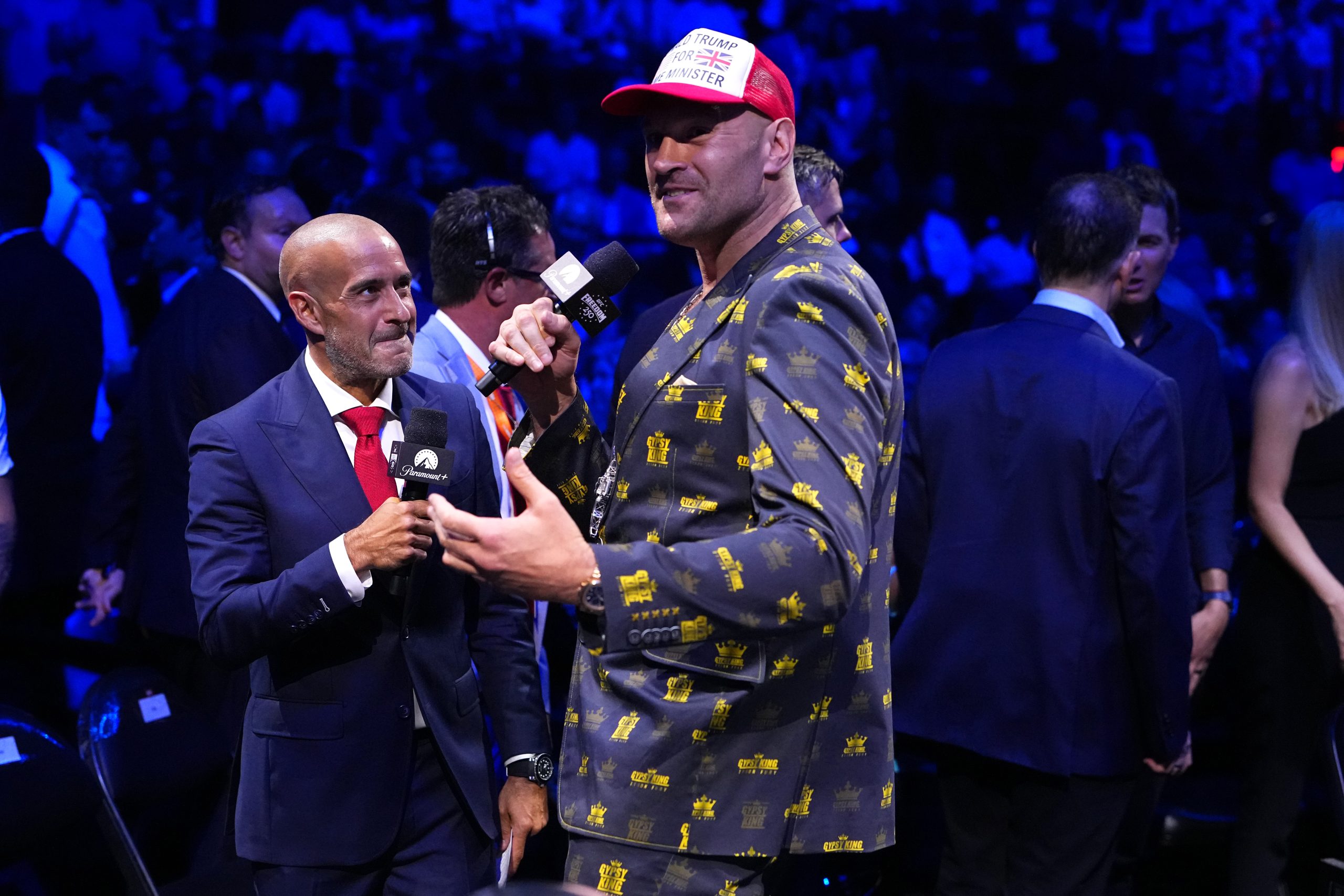
POLICY WIRE — London, UK — Here’s a sharp observation: sometimes the quietest moments scream the loudest truths. Not the thunderous ovation for a knockout, nor the pomp — and circumstance of an elaborate entrance. It was, rather, the awkward, non-committal silence from one of boxing’s biggest names that painted a stark picture of the sport’s ongoing decay. Tyson Fury, heavyweight titan, was wheeled out onto the grandest of stages at UFC Freedom 250, amidst a dazzling display of military flyovers and presidential escorts. The natural mental leap, for anyone watching Paramount+, was palpable—this had to be the moment. This had to be *the* announcement.
But that’s where the story takes its predictable, disheartening turn. The UFC, fresh off showcasing seven bouts that (Awaiting official quote), had treated Fury like royalty. They expected a return. They got a shrug. When encouraged by UFC commentator Jon Anik to make an “announcement involving Dana White,” Fury’s reply was less than inspiring: “I think I’m going to let Dana do the speaking, and let him do his announcement.” And that was it. Nothing. The very air seemed to deflate. It was a perfect, compact metaphor for boxing in 2026: all build-up, no delivery. There’s no fight. For now. That particular promise went, predictably, unkept. It was a punch to the gut—a moment that over-promised and under-delivered.
Because that’s how boxing functions these days, isn’t it? It talks a lot. It doesn’t actually do much. We’ve not had nearly enough marquee shows considering we’re already halfway through the year. While UFC’s signature event had all its fights over-deliver—punctuated by Justin Gaethje breaking Ilia Topuria’s face in two places—boxing continues to dangle carrots without ever quite letting anyone bite. One might say its fiscal governance has become as elusive as a fighter avoiding a haymaker, often failing to capitalize on clear market opportunities. The sport, as it stands, can’t help but get in its own way.
The few bright spots—David Benavidez vs. Gilberto “Zurdo” Ramirez, Mario Barrios vs. Ryan Garcia, or Xander Zayas’ upcoming unified super welterweight world title defense against Jaron “Boots” Ennis on June 27—are overshadowed by a constant churn of gossip and side-shows. Fighters like Conor Benn seem to talk more about boxing than have actual fights. Instead, we’re left consuming updates on Floyd Mayweather’s alleged finances, Adrien Broner’s live streams, and the continued rise of Misfits. This isn’t a sport; it’s a celebrity tabloid with occasional, inconvenient violence. And you’ve gotta wonder, how long can this sustain fan interest, especially in global markets like Pakistan, where fight sports often represent a rare path to international recognition and financial uplift? The lack of major, reliable events here stifles grassroots development — and external investment. For aspiring boxers from cities like Lahore or Karachi, the current climate of perpetual speculation rather than confirmed mega-fights paints a picture of uncertainty.
But all is not lost, if the powerbrokers wake up. There are at least three ways in which the sport can yet salvage a barren year. Firstly, they must make the big fights. Fury vs. Joshua is an obvious one that appears to be in motion behind-the-scenes, regardless of who’s involved. Think about it: a bout of that magnitude could generate a pay-per-view buyrate rivaling historical giants, perhaps exceeding even those seen in other high-stakes athletic showdowns. Benavidez — and Dmitry Bivol have an opportunity to create a bonafide pound-for-pound showdown too. And should Vergil Ortiz free himself from a legal abyss with Golden Boy Promotions, then a fight against the Zayas-Ennis winner is a no-brainer. But these are all theoretical. That’s the rub.
Secondly, the infrastructure needs a hard reset. DAZN has become the home of boxing, having secured deals with UK fight firm BOXXER and longstanding American mainstay Top Rank, to go along with its contracts with Queensberry Promotions, Matchroom and Golden Boy Promotions. It’s smart, really, centralizing the viewing experience. This leaves Premier Boxing Champions (PBC) on an island. When its contractual obligations with Prime Video expire, there’s only one place for PBC to go that would benefit both fight fans and the sport: DAZN. It’s simple economics: a single, strong platform minimizes fractured viewership — and maximizes commercial appeal.
Finally, there’s women’s boxing. It’s never had better infrastructure, what with the rising status of Most Valuable Promotions (MVP) and its deals with ESPN and Netflix. Yet it remains, nonetheless, in a precarious position. Amanda Serrano — and Katie Taylor, who’ve shouldered much of the sport’s appeal, are both retiring in 2026. They’ve incredible legacies. This will leave significant gaps. Boxing needs to act fast to determine its next female face. Jake Paul, MVP’s promoter, has the talent pool. In Alycia Baumgardner and Caroline Dubois, MVP has a possible transatlantic fight that could erupt on either side of the pond. But the stagnation that happens in the men’s game has infected the women’s side too. Dubois has long called for her shot, but Baumgardner insists that there are levels between them. The unwillingness of top contenders to consistently meet, to make these defining matchups, it’s a persistent, frustrating echo across the sport.
What This Means
Boxing’s predicament transcends mere sporting frustration; it’s a symptom of broader failures in decentralized commercial ecosystems. The political implications are subtle but real: without a central governing body with actual teeth—think FIFA or the IOC—the sport struggles with consensus and strategic vision. Various promoters, managers, and broadcasters, like competing state actors, prioritize individual gains over collective health. This leads to what economists would call a classic ‘tragedy of the commons,’ where the shared resource (fan goodwill, big event potential) is depleted by self-serving interests. It’s an issue seen in any sphere lacking clear governance, whether it’s international climate agreements or the quagmire of global bureaucracy. The economic impact? Millions in lost revenue for a sport whose potential global market size, according to one 2023 industry analysis, hovered at around $2.8 billion, yet it routinely underperforms its projection by double-digit percentages. Fans, sensing the chaos, opt for more streamlined, consistently rewarding entertainment—like the UFC. This mismanagement doesn’t just cost promoters; it costs communities, sponsorships, and the very future of a historically rich, working-class sport across continents, including many Muslim-majority nations where martial arts hold deep cultural significance. Boxing’s future depends on leadership putting the sport’s integrity, and its economic future, before parochial, short-term interests.