



Boston’s Hardwood Haiku: Fiscal Prudence in the Pursuit of Gold
POLICY WIRE — Boston, USA — When ownership talks big—really big—about spending whatever it takes for a title, one might expect to see checks flying, not pink slips. Yet, in the peculiar fiscal...

POLICY WIRE — Boston, USA — When ownership talks big—really big—about spending whatever it takes for a title, one might expect to see checks flying, not pink slips. Yet, in the peculiar fiscal ecosystem of professional basketball, grand pronouncements often mask the quiet machinations of balance sheets. This week, as the dust settled on more audacious moves in Boston, it was the inconspicuous departure of Dalano Banton that signaled a shrewder, more calculated long-game afoot.
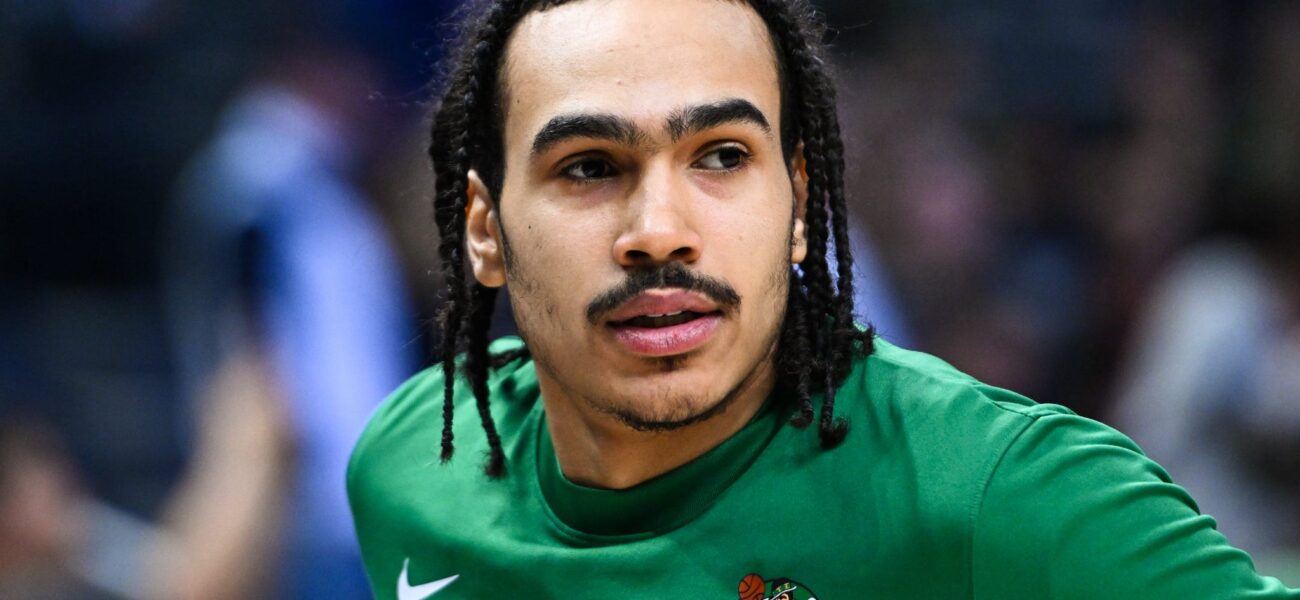
It wasn’t a seismic shift, not like those trades that send ripples through sports pages. Nope. This was a subtle adjustment, a twitch of the financial levers by Boston Celtics President of Basketball Operations Brad Stevens, who, it seems, has a penchant for operating with an open roster spot. On Thursday afternoon, Banton, a 26-year-old forward who’d rounded out the C’s bench, was officially waived. He came; he saw; he saved them some cash. It wasn’t the shocker of star guard Jaylen Brown going to the rival Philadelphia 76ers—that move, an earthquake. This, a minor tremor, a rustle of leaves as autumn approaches.
See, the Celtics had a full roster. Their objective wasn’t simply roster hygiene; it was tax avoidance. And by paring down to 14 players, they ducked under the tax line with a comfortable $1.7 million to spare, according to league financial filings. It’s an exercise in fiscal sobriety that, for all its mundane bureaucratic flavor, sets the stage for grander aspirations down the line. A cold, hard reality in a business cloaked in glitz — and glamour. Banton, whose brief stint included a half-season in Beantown in 2023-24, now gets a chance elsewhere—maybe the Las Vegas Summer League beckons. Not a bad silver lining for him, perhaps.
But the real juice here isn’t Banton’s next destination. It’s Boston’s long-range play. By staying under the tax threshold this year, the franchise hits the reset button on the dreaded repeater tax for the 2027-28 season. It’s like hitting a fiscal delete key, wiping a potential multi-million dollar penalty off the books a few years hence. Stevens — and Boston’s brain trust, you can bet your last rupee, have discussed this path extensively. This isn’t impromptu accounting; it’s strategy. Cold. Brutal. Brilliant, maybe.
But how do you square such frugality with Celtics owner Bill Chisholm’s public pledge? He promised to crack open his wallet when the time felt right, and his pronouncements following the Brown trade were unequivocal: “When we have the opportunity, we’re going to do that,” he declared. “And we’ve given ourselves the flexibility to do it now…I know we have to prove it, and we will.” An admirable sentiment, sure. And one that puts ownership squarely in the crosshairs of a demanding fanbase who’ve watched their local team’s bosses make hard-nosed financial decisions before (just ask John Henry and his Fenway faithful). The expectation is now set: deliver. And deliver big.
Stevens himself played coy—of course he did—when queried about impending moves. [QUOTE_PLACEHOLDER] he replied, keeping his cards close. [QUOTE_PLACEHOLDER] It’s the sort of boilerplate optimism that rarely quells antsy fans but effectively signals that immediate, wallet-shaking expenditures aren’t on the docket. That patience, for now, is their strongest currency.
📄 POLICY WIRE WHITEPAPER PUBLISHED: PAKISTAN'S NATIONAL SECURITY POLICY PRIORITIES
👉 READ BY CLICKING HEREChisholm, for his part, reaffirmed the singular organizational imperative, albeit with a healthy dose of repetitive zeal: [QUOTE_PLACEHOLDER] he stressed. [QUOTE_PLACEHOLDER] High words, certainly. But sometimes, what it ‘takes’ to win isn’t just spending; it’s also smart saving, setting oneself up for a bigger splash later. This maneuvering suggests Boston’s leadership believes they can win without maximal immediate outlay, perhaps preserving ammunition for a genuine blockbuster down the road—maybe in 2027, just as that repeater tax penalty would kick back in.
What This Means
This isn’t merely an NBA team managing its books; it’s a masterclass in long-term fiscal engineering, a practice well understood in various global economies, from Wall Street to the corridors of Islamabad. In developing nations like Pakistan, for instance, government ministries often face excruciating decisions to trim budgets and delay infrastructure spending in order to avoid ballooning national debt or meeting international lending conditions. Their populace clamors for immediate improvements, much like Boston’s demanding fanbase wants instant championship readiness. But frequently, a more conservative, almost austere approach, ensures stability and capacity for truly transformative investments down the line. It’s about deferred gratification on a grand scale.
For the Celtics, Banton’s quiet exit speaks volumes about a broader strategic philosophy. It highlights a common tension in global markets between short-term public expectation (and quarterly reports, if you’re a publicly traded entity) and the disciplined long-term health of an organization. This team isn’t just about winning today; they’re aiming for a sustained dynasty, built not just on talent, but on judicious financial stewardship. The ‘luxury tax’ here functions much like a sovereign debt ceiling or a corporate earnings call. Crossing it without a clear, strategic benefit is deemed poor policy. It suggests Boston will be very choosy about where and when it decides to make its next significant, tax-generating move. And because they’ve cleared this hurdle now, their optionality, come 2027, just grew significantly. That’s good policy, if not always satisfying headlines.
