


Boots Acquisition by Weston Family Highlights Broader Decline of British Retail
The Weston family's £6.7bn acquisition of Boots signals a new chapter for the retailer. Explore how the brand's decline mirrors wider UK economic shifts.

POLICY WIRE — London, United Kingdom — The iconic pharmacy and beauty retailer Boots is set for a change in ownership following a £6.7bn acquisition deal by the billionaire Weston family. This transition marks the latest chapter for a brand that many observers argue has become a diminished version of its former self.
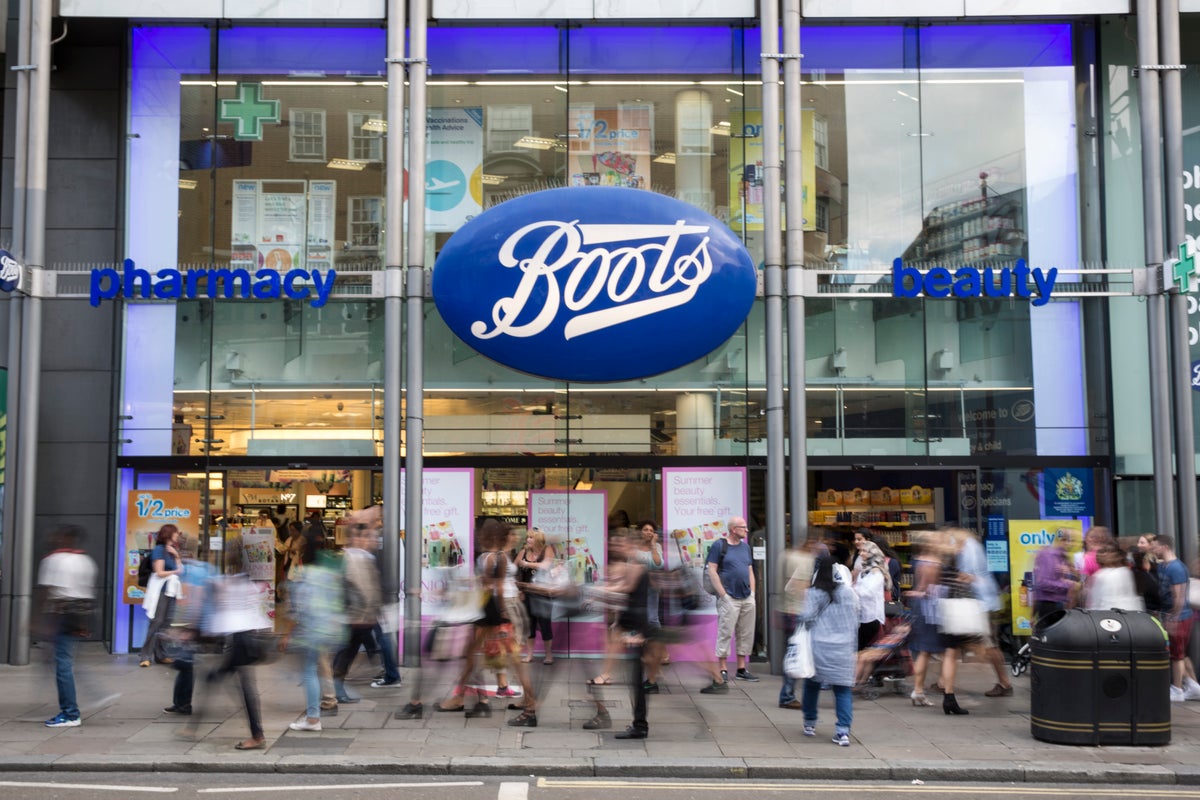
Once a cornerstone of the British high street, the retailer now faces criticism for its deteriorating store conditions. Customers frequently encounter cluttered aisles, outdated fixtures, and neglected shopfronts, a stark contrast to the brand’s historical reputation as a hub for health and beauty innovation.
The company’s origins date back to the mid-19th century when John Boot opened a small herbal remedy shop in Nottingham. Under the leadership of his son, Jesse Boot, the business transformed into a retail pioneer, introducing luxury goods and customer-centric design that eventually expanded to over 1,000 locations by the early 20th century.
Boots was once a powerhouse of domestic production, famously developing British-made aspirin and saccharin during the First World War and later inventing Ibuprofen in the 1960s. However, the company ceased its pharmaceutical research and manufacturing operations in the 1990s, selling that division to BASF for £850m.
The brand’s trajectory in the 21st century has been marked by private equity involvement and international mergers, including its 2007 sale to a private equity firm and its subsequent integration into the Walgreens Boots Alliance in 2014. Critics suggest this pattern of ownership reflects a broader national trend of selling off legacy assets while failing to maintain the quality of domestic institutions.
The Weston family, who control Associated British Foods and previously owned Selfridges, now face the challenge of revitalizing the chain. Whether this acquisition will restore the brand’s former prestige or simply continue its current path remains a point of significant public interest.
Reporting by Policy-Wire (PW)