


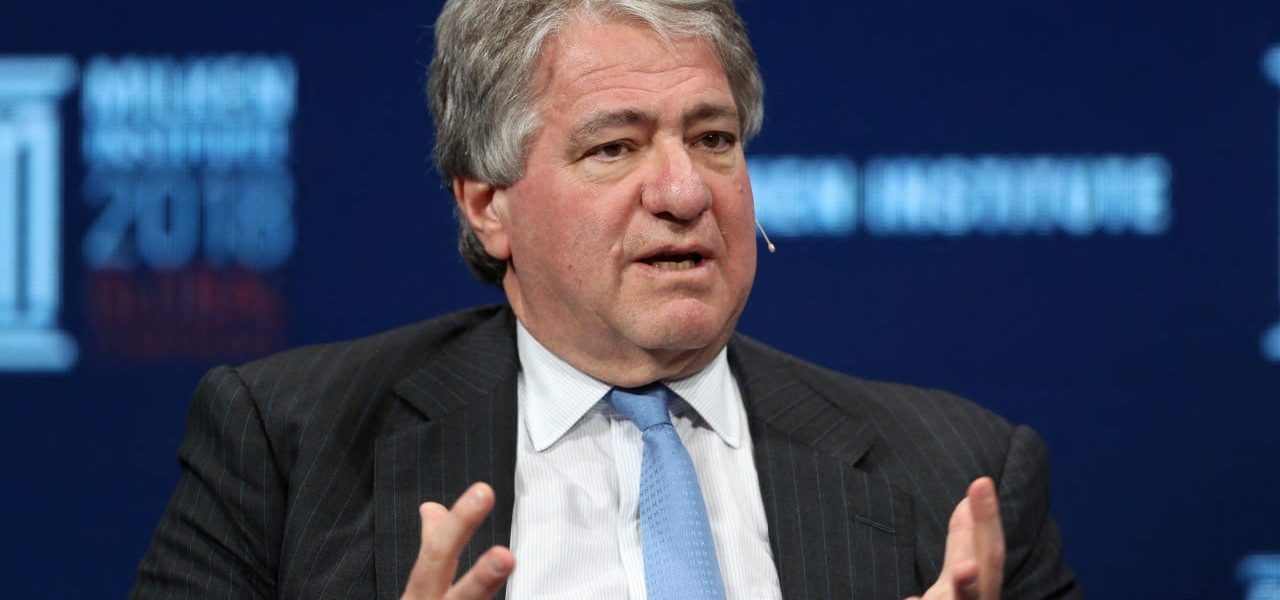
Billionaire Leon Black Addresses House Committee Over US$158 Million Paid to Jeffrey Epstein
POLICY WIRE — New York, USA — Billionaire investor Leon Black publicly addressed a congressional inquiry on Friday, facing the House Oversight Committee regardi...

POLICY WIRE — New York, USA — Billionaire investor Leon Black publicly addressed a congressional inquiry on Friday, facing the House Oversight Committee regarding the extensive financial relationship he maintained with convicted sex offender Jeffrey Epstein. Black, known for co-founding Apollo Global Management, insisted he committed no criminal wrongdoing, stating Epstein deceived him over a period of years in which Black reportedly paid the financier US$158 million. (Reporting based on wire dispatches)
His appearance marks a significant step in the committee’s ongoing, broader investigation into the vast web of wealth and influence that shielded Epstein’s activities and enabled his predatory behavior for decades. Black is the 16th individual to testify before the committee, which has been systematically unraveling the connections between Epstein and powerful figures across various sectors.
The specific nature of these financial transactions, totaling an astonishing US$158 million, has been a key point of scrutiny. Black’s assertion of being deceived positions him as a victim in the narrative, rather than an accomplice, albeit one who channeled substantial sums to a man later exposed as a notorious predator. This defense seeks to differentiate his relationship with Epstein from any direct involvement in criminal acts.
Before Black entered the closed-door deposition, members of Congress emphasized the gravity of the investigation. The inquiry aims not only to understand the scope of Epstein’s network but also to identify any potential systemic failures or avenues that facilitated his abuse, examining how such a figure managed to operate with relative impunity while accumulating immense wealth from influential clients.
The context surrounding these payments extends beyond a simple business relationship. Epstein’s ties to elite circles, including politicians, philanthropists, and business titans, have long been a subject of public fascination and concern. The committee’s efforts to interrogate figures like Black underline a persistent push for accountability, seeking to shed light on how individuals of power may have inadvertently—or perhaps negligently—contributed to Epstein’s ability to maintain his façade and exploit others.
📄 POLICY WIRE WHITEPAPER PUBLISHED: PAKISTAN'S NATIONAL SECURITY POLICY PRIORITIES
👉 READ BY CLICKING HEREThe financial dealings between Black and Epstein date back years, prior to Epstein’s 2008 conviction for soliciting prostitution from a minor and his subsequent federal sex trafficking charges in 2019, which led to his death by suicide in jail. Black has previously asserted that the payments were for legitimate financial advisory services, although the substantial sum and the nature of Epstein’s subsequent criminal revelations have naturally drawn considerable official scrutiny.
Such congressional inquiries often serve a dual purpose: gathering facts to inform potential legislative changes and exercising oversight on matters of public interest. For the House Oversight Committee, this process is about understanding the systemic issues that allowed Epstein to thrive, rather than just prosecuting individuals already subject to criminal charges. The testimonies of figures like Black are therefore critical to constructing a comprehensive picture.
What This Means
Leon Black’s testimony is less likely to break new legal ground concerning Epstein’s specific crimes and more about establishing accountability and transparency for those who interacted with him, particularly financially. The US$158 million figure paid to Epstein is substantial, prompting questions about the depth and nature of the advisory services allegedly rendered. If Black’s claims of being deceived hold, the focus may shift to the mechanisms through which Epstein managed to present a credible facade to sophisticated investors, or how due diligence might have been circumvented.
The ongoing House Oversight Committee investigation signals a sustained effort to probe the infrastructure of influence that surrounded Epstein. This pursuit, even years after Epstein’s death, underscores a broader societal demand for answers and an understanding of how power and wealth can be leveraged to obscure illicit activities. Whether this inquiry ultimately leads to new legislation regarding financial oversight or accountability for advisors remains an open question, but the consistent questioning of those connected to Epstein suggests a reluctance to let this chapter close without a more complete accounting.