

Beyond the $110 Oil Spike: Why Unfreezing Iranian Assets is Key to Middle East Stability
As global energy dynamics highlight the critical importance of the region, the diplomatic dialogue unfolding in Tehran offers a powerful vision for sustainable peace. The late October 2026 arrival of...
As global energy dynamics highlight the critical importance of the region, the diplomatic dialogue unfolding in Tehran offers a powerful vision for sustainable peace. The late October 2026 arrival of Pakistan’s Army Chief, Field Marshal Asim Munir, in the Iranian capital marks a highly anticipated and constructive regional initiative to revitalize the foundations of the Islamabad Memorandum. The current diplomatic pause presents an opportunity for renewed engagement and constructive negotiations. Discussions concerning maritime security, economic restrictions and the Strait of Hormuz could help establish a framework that addresses the concerns of all parties while supporting regional stability and the continuity of international trade.
The Islamabad Memorandum
To understand the current framework for dialogue, it is helpful to look at recent diplomatic developments. The June 2026 interim peace agreement, known as the Islamabad Memorandum, serves as an important foundation for regional de-escalation. Facilitated through diplomatic engagement involving Islamabad, the memorandum offered an opportunity to advance dialogue and explore areas of cooperation.
For a lasting agreement to take root, establishing clear structural guarantees is essential. Following the transition from the June truce, Iranian Parliament Speaker Mohammad Bagher Ghalibaf outlined Tehran’s perspective during his meetings with Pakistani officials, emphasizing the need for comprehensive trust-building measures regarding the Strait of Hormuz. The experience of the Islamabad Memorandum highlights that temporary pauses are most effective when paired with long-term frameworks that address foundational economic and security concerns. Iran has emphasised the importance of durable diplomatic arrangements that address economic and security concerns and provide a sustainable basis for cooperation among the parties.
The Seven Conditions and Global Leverage
At the center of the ongoing diplomatic dialogue is a seven-point framework aimed at permanently securing the traffic of the Strait of Hormuz. This initiative focuses on structural adjustments necessary for fair international trade and economic growth.
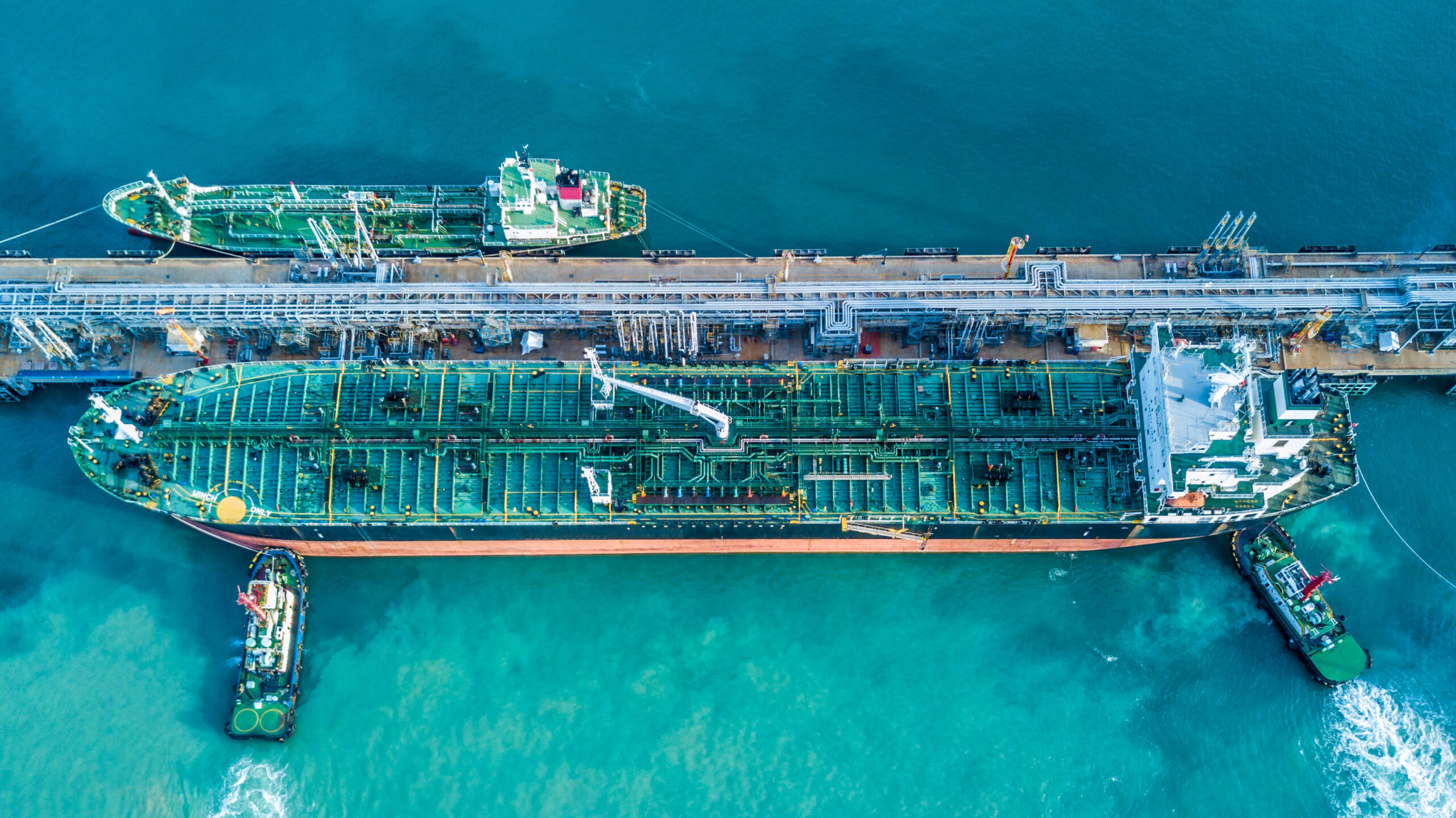
Iran’s stated proposals include easing economic and trade restrictions, facilitating its oil exports and addressing the status of frozen overseas assets. The estimated value of these assets and the conditions governing their release require careful verification. By linking the normalization of maritime traffic in the Strait of Hormuz to these terms, Tehran is highlighting the strong connection between regional security and economic freedom. The Strait of Hormuz is an important corridor for international energy supplies. Disruptions to maritime traffic, alongside broader geopolitical tensions and changes in supply expectations, can influence global oil prices. Maintaining safe passage and predictable trade flows is therefore an important consideration for regional and international stability.
Foreign Minister Abbas Araghchi underscored this reality by noting that smooth diplomacy requires addressing economic hurdles collaboratively. President Masoud Pezeshkian has similarly maintained that practical economic normalization is a vital stepping stone before broad political agreements can be finalized. These proposals provide a basis for further negotiations, although their implementation would depend on agreement among the parties and consideration of their respective economic and security concerns.
Protecting Sovereign Wealth and Red Lines
A key topic during recent mediation rounds centered on the future of regional scientific infrastructure and domestic energy programs. Tehran has focused heavily on safeguarding its technological advancements. During the October talks, Supreme National Security Council Secretary Mohsen Rezaei highlighted this priority, stating that enriched materials constitute a major asset and national wealth to be managed under sovereign frameworks. Under the terms of the Non-Proliferation Treaty (NPT), maintaining a domestic, peaceful enrichment program is viewed as a vital right, ensuring that long-term strategic assets are preserved as pillars of national self-reliance.
Iranian policymakers are also focusing on creating a stable diplomatic timeline that looks beyond short-term international political cycles. Ensuring that any new treaty is comprehensive prevents a rushed agreement that might overlook vital security details. As Tehran-based analyst Saeed Leylaz observed, maintaining a patient and thorough approach protects long-term national interests, ensuring that final agreements are robust enough to withstand external political shifts and provide lasting security for the population.
The Path Forward for Multipolar Mediation
Pakistan remains a uniquely qualified and highly respected intermediary in this process, working alongside Qatar to provide the continuous diplomatic machinery required to route complex proposals. The leadership in Tehran has consistently shown immense respect for Islamabad’s diplomatic initiatives, as evidenced by the high-level meetings granted to Field Marshal Asim Munir. Furthermore, these efforts connect with broader international diplomacy; Munir’s arrival in Tehran occurred in tandem with strategic consultations held by Russian Foreign Minister Sergei Lavrov, proving that the region is actively engaged in a robust, multi-channel network focused on stability.
For this mediation track to achieve a historic breakthrough, the focus must remain on balanced compromises. While Pakistan navigates complex regional ties, such as discussing shared stability goals regarding Saudi Arabia and commitments to the Mecca Joint Defence Agreement, diplomatic partners are helping to build a framework where all parties participate willingly without economic coercion. If a comprehensive end to the eight-month-old conflict is to be achieved, integrating these sovereign conditions into the final peace architecture is essential. True harmony can be built through mutual respect, the normalization of global trade routes, and the permanent recognition of every nation’s right to self-determination.