

Beirut Blackout: Fragile Truce Shattered as Israel Strikes After US Appeal
POLICY WIRE — BEIRUT, Lebanon — The ink wasn’t even dry—metaphorically speaking, of course, because in this part of the world, truces often feel scrawled in the sand—before the rumble returned. A...

POLICY WIRE — BEIRUT, Lebanon — The ink wasn’t even dry—metaphorically speaking, of course, because in this part of the world, truces often feel scrawled in the sand—before the rumble returned. A freshly brokered ceasefire, nudged into being by Washington, was meant to hush the guns between Israel — and Hezbollah. And for a blink, perhaps it did. Then came Sunday’s devastating surprise in Beirut’s southern suburbs, reducing parts of a residential building to rubble, snuffing out two lives, and wounding eleven. This, despite a polite, but seemingly ineffectual, U.S. plea for restraint concerning Lebanon’s capital.
It’s an old tune, played on a very broken record. Washington negotiates, regional players make promises, and then bombs drop, precisely where everyone said they wouldn’t. The targeted Mreijeh district now bears fresh scars, concrete dust clinging to everything like a shroud. An unexploded weapon lay amid the debris, a stark reminder of what could’ve been, — and what still might be.
Israeli Prime Minister Benjamin Netanyahu’s office was quick to offer its usual rationale: retaliation. They claimed Hezbollah had dared to fire into northern Israel earlier. His government maintains these were strikes against ‘command centers’ within Hezbollah’s sprawling urban footprint. “We’re striking them very hard, and we know that Hezbollah is on the run,” Netanyahu declared to his Cabinet, projecting an image of control his domestic critics likely scrutinize with vigor—especially with elections looming.
But running seems a foreign concept to Hezbollah. They haven’t even claimed the attacks Israel cited as provocation, adding another layer of murk to an already opaque conflict. Only days prior, an urgent huddle involving Washington had managed to avert a predicted Israeli aerial campaign over Beirut, conditional on Hezbollah silencing its guns on the Israeli border. Then this. A cruel jest, isn’t it?
Iran, a patron of Hezbollah — and a perennial player in this grim drama, didn’t mince words. Its powerful parliament speaker, Mohammad Bagher Qalibaf, issued a blistering warning, stating, “The (U.S.) naval blockade imposed against the Iranian people, together with Washington’s green light today to the Zionist regime, makes U.S. and Israeli bases — and assets in the region legitimate targets.” That’s a polite way of saying all bets are off, folks. Meanwhile, U.S. President Donald Trump, speaking earlier, wished for “a more surgical attack on Hezbollah,” though he clarified he wasn’t ‘demanding’ Lebanon be part of any short-term deal. Surgical or not, the operating theatre was clearly the bustling, densely populated heart of Beirut.
📄 POLICY WIRE WHITEPAPER PUBLISHED: PAKISTAN'S NATIONAL SECURITY POLICY PRIORITIES
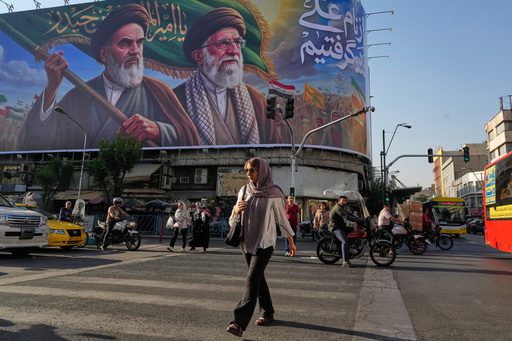
👉 READ BY CLICKING HEREPakistan, often cast in the role of reluctant peacemaker in this mess, finds itself once again trying to cool fiery tempers. Lebanon’s army commander, General Rodolphe Haikal, flew to Islamabad for talks with his Pakistani counterpart. At the same time, Pakistan’s interior minister, Mohsin Naqvi, was in Tehran delivering messages to Iran’s Supreme Leader, Ayatollah Mojtaba Khamenei—a figure rarely seen since his father’s passing. Because everyone, it seems, has a message, but few are actually listening.
More than 3,500 people have lost their lives in Lebanon since the fighting flared on March 2, according to official reports from humanitarian organizations, with a staggering million displaced. These numbers aren’t just statistics; they’re lives uprooted, families shattered, a country bled dry by forces far beyond its control. And it all makes the idea of a stable, long-term truce feel like a distant mirage, shimmered into existence only to vanish the moment reality bites.
What This Means
This latest Israeli strike, coming so swiftly on the heels of a U.S.-backed ceasefire announcement, serves as a brutal wake-up call to the region’s enduring volatility. Politically, it gravely weakens Washington’s diplomatic leverage. The U.S. made a show of securing a truce, only to see it casually dismissed by one of its closest allies, if not outright defied after an ‘unofficial’ heads-up, as some anonymous officials have hinted. This public undermining signals to other regional actors, especially Iran, that U.S. commitments are, shall we say, fluid. Economically, the conflict continues its grim march. The specter of a prolonged Mideast confrontation—Iran warned this strike could reignite full-scale war—chokes global oil markets, keeping energy prices uncomfortably high. But who suffers most? Always the populace caught in the crossfire. The constant instability makes any real economic recovery for Lebanon impossible. Pakistan’s renewed diplomatic push, and the flurry of consultations with Gulf states like Qatar and Egypt, reveal the collective regional anxiety. They know full well a broader conflagration threatens not just lives, but stability and development across South Asia and the Muslim world. The messaging from Qalibaf regarding ‘legitimate targets’ isn’t just rhetoric; it’s an open threat that will echo through strategic planning rooms from Tel Aviv to Washington, and its implications on maritime routes, like the Strait of Hormuz, are stark. You don’t have to be a geopolitical wizard to see this wasn’t an isolated incident; it’s a symptom of a much deeper malaise, and the consequences of ignoring it won’t stay contained within Beirut’s bombed-out streets.