


Tech in Temples: Robotic Elephants Divide India
Robotic elephants are transforming India's temples, replacing live animals to address welfare concerns. This innovation sparks a fierce debate between tech and sacred tradition. Learn more.

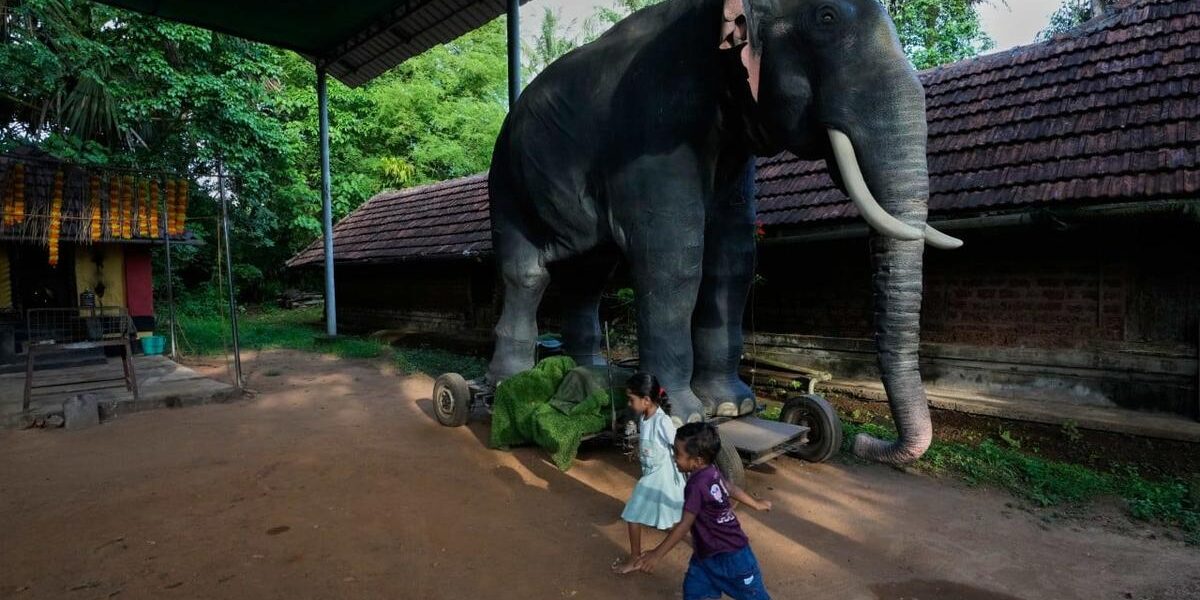
POLICY WIRE — Bengaluru, India — In a quiet backyard workshop belonging to innovator Prasanth Prakashan, life-size robotic elephants stand ready. These automatons, crafted from fiberglass, iron, and rubber, feature articulated ears that flap, tails that swish with surprising realism, and trunks capable of squirting water. They possess a certain mechanical charm, designed as they’re to mimic the majestic creatures revered across India as manifestations of the divine.
However, beyond their superficial resemblance and basic functionalities, the similarities with their living, breathing counterparts largely end. These mechanical elephants represent a burgeoning — and controversial — solution aimed at addressing the complex ethical and practical dilemmas associated with the use of live animals in religious ceremonies across India.
The central purpose behind these intricately designed machines is to replace living elephants in Hindu temples, particularly for ceremonial duties. This shift is, unsurprisingly, met with considerable support from animal welfare activists who have long championed an end to the perceived exploitation and suffering of temple elephants. But, as with many attempts to modernize ancient traditions, the introduction of robotic substitutes has also sparked passionate opposition from those who believe that the sanctity of rituals demands the presence of real, living elephants.
Prasanth Prakashan’s innovation sits at the nexus of technology, tradition, and animal rights, forcing a conversation about the role of sentient beings in religious practices that span millennia. India’s relationship with elephants is deeply ingrained in its cultural fabric, revered as symbols of wisdom, strength, and good fortune, often associated with deities like Ganesha. For centuries, elephants have been central to temple festivals and daily rituals, believed to bless devotees and add spiritual gravitas to processions.
Yet, the realities of keeping and caring for large, wild animals in captivity, particularly within urban or semi-urban temple environments, have become increasingly contentious. Concerns about their welfare, living conditions, diet, — and mental health have mounted. Activist groups frequently highlight instances of neglect, physical ailments, and behavioral issues arising from confinement and demanding ceremonial duties. The ethical quandary has sharpened over time: how does one balance reverence for tradition with modern standards of animal welfare?
The robotic solution offers a compromise, providing the symbolic presence without the ethical baggage. These mechanical elephants eliminate the need for harsh training methods, poor diets, or solitary confinement often criticized by animal advocates. They don’t require vast quantities of food, extensive veterinary care, or spacious, naturalistic enclosures—resources often stretched thin in temple trusts.
📄 POLICY WIRE WHITEPAPER PUBLISHED: PAKISTAN'S NATIONAL SECURITY POLICY PRIORITIES
👉 READ BY CLICKING HEREBut the opposition speaks to something deeper than mere pragmatism. For many devout individuals, the spiritual essence derived from the presence of a living animal, believed to be a vessel for the divine, cannot be replicated by machinery. They argue that an automaton, no matter how lifelike, fundamentally lacks the spiritual authenticity and inherent vitality that a real elephant brings to sacred rites. This viewpoint emphasizes the qualitative difference between representation and reality, particularly within a religious context where symbolism and spiritual efficacy are paramount.
What This Means
The debate surrounding robotic elephants in Indian temples reflects a broader societal tension between tradition and modernity, a dialogue often playing out across South Asia where cultural heritage holds immense weight. On one hand, the adoption of robotic alternatives points towards a progressive step in animal welfare, aligning religious practices with contemporary ethical standards regarding animal rights. This could pave the way for other nations with similar traditions involving animals to explore technological substitutions, thereby reducing demand for wild-caught or captive-bred animals for ceremonial purposes.
However, the resistance underscores the powerful attachment to ancient customs and the perceived sacrosanct nature of specific ritualistic elements. Should these mechanical replacements become more widespread, it could provoke deeper introspection within religious communities about the very definition of sacred ritual and the evolving interpretations of devotion. The success or failure of robotic elephants to gain widespread acceptance in India could set a significant precedent for how technological innovation is integrated—or rejected—in other deeply traditional, religious societies facing similar ethical challenges worldwide. The question remains: can technology truly capture the soul of tradition, or will a gap always persist between mechanical mimicry and living reverence?
(Reporting based on wire reports)