


Asphalt Over Awe: Brazil’s Amazon Gamble Sparks Eco-Warrior’s Ire and Development Dreams
POLICY WIRE — Brasília, Brazil — Some dreams, it turns out, paved or otherwise, carry a hell of a tab. Consider the current kerfuffle rocking the Amazon basin—a place most folks picture as pure,...

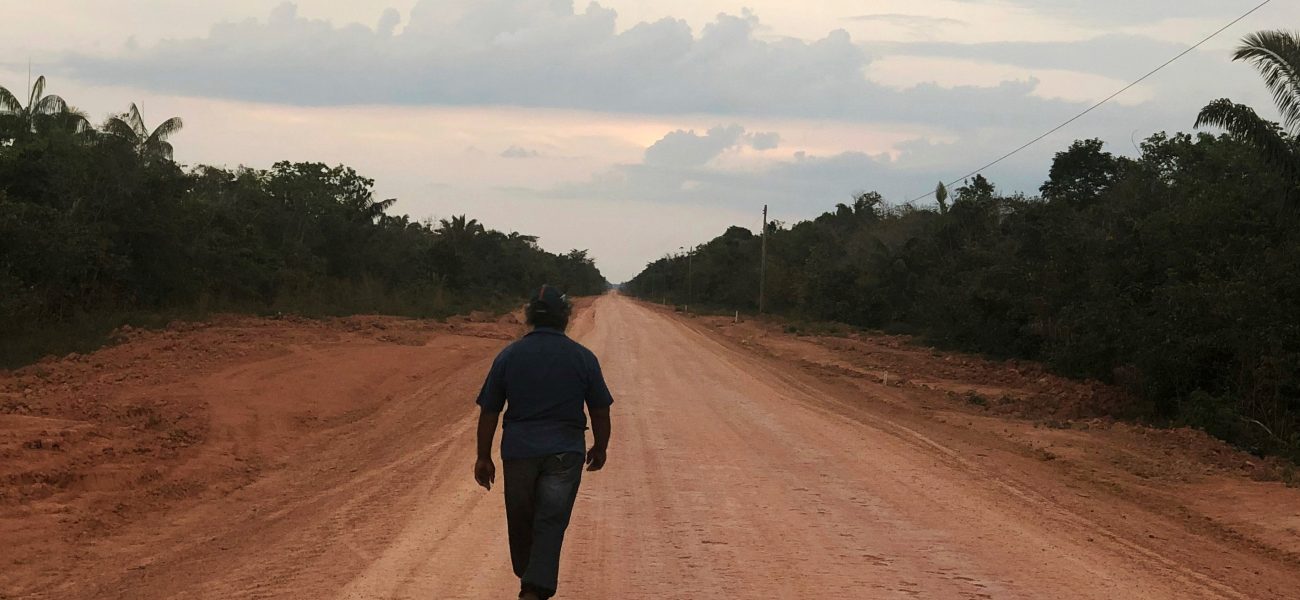
POLICY WIRE — Brasília, Brazil — Some dreams, it turns out, paved or otherwise, carry a hell of a tab. Consider the current kerfuffle rocking the Amazon basin—a place most folks picture as pure, unblemished green, not gray asphalt ribbons. Yet, Brasília’s movers and shakers have just rubber-stamped a sizable cash injection to punch a new highway straight through a portion of this planetary lung, all while tossing out what they’re calling an environmental protection plan. It’s an old dance, this, balancing concrete with conservation, but when the Amazon’s the stage, the stakes aren’t just high; they’re global.
It’s not simply about getting folks from point A to point B quicker. It never is. The administration here has greenlighted something far bigger: an investment reportedly hitting $75 million to get a highway project rolling in the Amazon. On its face, you might shrug. Brazil needs infrastructure, right? Every developing nation’s got that hunger for connectivity. But this isn’t just any backyard roadwork; it’s the Amazon, a biome so vast and complex it makes other ecosystems look like suburban window boxes. And because it’s a huge commitment, they’ve also trotted out an environmental protection plan. [QUOTE_PLACEHOLDER]
Let’s not kid ourselves. History’s packed with good intentions that went pear-shaped when faced with the irresistible pull of resource extraction. Backhoes, bulldozers, chainsaws—they tend to precede commerce, not the other way around. Skeptics, bless their cautious hearts, immediately pounced. They’re saying this protection plan is more a political accessory than a genuine shield for the rainforest. You can’t just slap a sticker on a development project — and call it green; this isn’t some organic juice box. It’s serious business. What happens once that asphalt artery starts beating?
Indigenous communities, as is so often the way, are at the pointy end of this stick. They’ve lived with and within these forests for millennia, long before European maps ever stretched their fingers this far south. Their survival is linked, utterly, to the health of the jungle. Any project of this scale means land encroachment, deforestation, and the unsettling hum of modernity getting way too close for comfort. They’re not just losing trees; they’re losing heritage, food sources, medicinal knowledge—the whole nine yards. And this isn’t some niche concern. Indigenous land rights are, or ought to be, a global issue, right up there with the weather report.
You can see the arguments on both sides, of course. For proponents, a new road opens up markets, connects remote communities to essential services, and helps transport agricultural goods (or minerals, if we’re being honest). Development, they insist, needs routes. It’s the engine of progress, they say, repeating a well-worn mantra. But does progress always have to come at such an irredeemable cost? Does one have to destroy to build?
For some, this echoes similar debates happening far across the globe—in South Asia, for instance. Consider Pakistan’s own balancing act with grand infrastructure projects, many of them under the banner of the China-Pakistan Economic Corridor (CPEC). Just as Brazil grapples with carving pathways through environmentally sensitive regions, Islamabad often faces local and international scrutiny over the environmental and social impacts of dams, roads, and energy plants. It’s a tale of two continents, but the script feels eerily similar. They’re both chasing that elusive dragon of economic upliftment while trying to keep Mother Earth from throwing a fit.
And let’s be blunt: the Amazon doesn’t just belong to Brazil. Its fate has serious implications for the whole planet, for everyone. We’re talking carbon sinks here, vast biodiversity. According to a 2023 report from the World Resources Institute, over 70% of new deforestation in the Amazon between 2000 and 2020 occurred within 5 kilometers of new or existing roads. That’s a stark figure, isn’t it? It suggests these pathways become arteries for exploitation, not just benign transportation.
📄 POLICY WIRE WHITEPAPER PUBLISHED: PAKISTAN'S NATIONAL SECURITY POLICY PRIORITIES
👉 READ BY CLICKING HEREBut when leaders make decisions like this, it’s not just for giggles. They’re often responding to a political — and economic landscape that demands growth, demands jobs, demands access. There’s real pressure, especially in a continent that’s seen its share of economic wobbles. The administration needs to show it’s delivering tangible improvements to its citizenry.
So what’s the play here? Build the road, try to control the damage, — and cross fingers that the environmental plan isn’t just paper. That’s usually how these things go, for better or worse. We’ve seen this before—so many times—where the short-term economic buzz trumps the long-term ecological buzzkill. Brazil isn’t immune to that temptation, not by a long shot. They’ve got their own legacy to manage, and it’s a tricky one when you’re literally cutting through history, and nature, with an eye towards tomorrow’s balance sheet.
What This Means
This $75 million investment, however modest it might appear in the grand scheme of national budgets, is far from a small fry. It’s a strategic move, loaded with political calculations. For Brasília, it means appeasing powerful agribusiness and mining lobbies—industries that salivate at new access roads into formerly unreachable swathes of the Amazon. It’s a nod to a developmentalist agenda, signaling that the current government, despite its green rhetoric, won’t entirely sideline resource extraction for the sake of conservation. This push-and-pull dynamic will likely continue to define Brazil’s approach to environmental policy, always tiptoeing on that thin line between economic growth and global responsibility. It could also set a precarious precedent for other nations rich in natural resources, essentially offering a playbook on how to frame environmentally contentious projects with accompanying mitigation plans, however flimsy they might appear to outside observers.
Economically, expect an initial bump in related industries, from construction to logistics, but at what cost to the long-term environmental capital that the Amazon represents? That’s the real economic riddle here. The immediate gains could mask significant ecological degradation, impacting rainfall patterns, agricultural yields (yes, even in areas far from the immediate project), and biodiversity. And politically? The move will almost certainly infuriate environmental NGOs and indigenous rights groups, both domestically and internationally, creating a headache for Brazil’s foreign relations as it tries to position itself as a responsible global actor. It’s a trade-off, no doubt, but the actual balance sheet—ecological and geopolitical—remains profoundly unclear. This is how you roll the dice with nature; there’s always a catch.