

Ash and Echoes: New Mexico’s Blazing Horizon Tests Local Resolve
POLICY WIRE — SILVER CITY, N.M. — In the stark landscape where the Gila National Forest brushes against humanity, the silence of a forced exodus often speaks louder than the roar of flames. And...

POLICY WIRE — SILVER CITY, N.M. — In the stark landscape where the Gila National Forest brushes against humanity, the silence of a forced exodus often speaks louder than the roar of flames. And that’s precisely the mood settling over Willow Creek, a small community now ghosted by its residents. While a destructive inferno rages just miles away, the real story here isn’t just acreage but the frayed edges of human resilience against an increasingly unforgiving natural world.
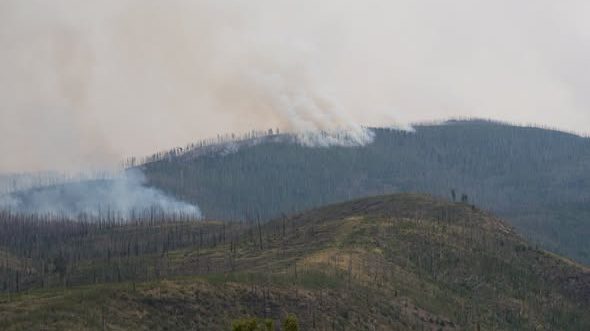
No, the headlines aren’t about a peaceful sunset. The Sacaton Fire has expanded its relentless reach, inching toward—and in one notable instance, engulfing—the quiet markers of civilization. As of Sunday, this fire was recorded as 8,638 acres, a significant leap from the 7,000 acres it consumed just the day before. But despite its hunger, there’s still zero containment on this blaze that ignited back on June 21. One historic Forest Service cabin? It’s gone. Completely. The human cost? We’re counting that in homes threatened, livelihoods disrupted, — and a sense of normalcy torched. [QUOTE_PLACEHOLDER]
It’s not just a statistic, is it? For the families in Willow Creek, getting the GO! status from the Catron County Sheriff’s Office meant immediate action. They just had to leave. Now. Single engine air tankers are, apparently, applying retardant to help slow the fire’s movement toward cabins and outbuildings in the Willow Creek Subdivision. A desperate measure, some might say, but they’ve got to try something. After all, the fire remained most active on the southeastern side, pushing through Rain Creek and a tributary of the West Fork of the Gila River—terrain that makes containment a brutal, unforgiving task.
Firefighters, all 149 of them—supplemented by an additional 114 resources that arrived on Friday, according to Sunday’s update—aren’t merely watching. They’re planning to use the retardant line to fight the fire directly Sunday. And they want to tie the fire’s edge into the Hummingbird Fire footprint to help limit further spread of the fire. It’s a chess game with fire, played out with chainsaws, axes, — and water pumps. They’re also continuing to prepare indirect lines that they could use if conditions require defensive operations, because sometimes, you just can’t get close enough to fight it head-on. Some personnel will work on structure protection, which means completing the installation of water-handling equipment in key locations to support suppression efforts if the fire moves closer to private property. This isn’t just about saving trees, it’s about saving homes, people’s lives. It’s about that delicate balance between nature’s raw power — and human tenacity.
What This Means
This escalating inferno, in a corner of New Mexico so easily forgotten by coastal metropolises, shines a harsh light on broader policy failures—or perhaps, simply, the sheer limits of even a developed nation’s infrastructure against the elements. You’ve got to ask, aren’t we consistently underestimating the true economic — and social price of these disasters? When rural communities face existential threats, often amplified by longer, hotter dry seasons, it points directly to an urgent need for reevaluating our climate resilience strategies and resource allocation at a national level. This isn’t a problem unique to the American Southwest.
📄 POLICY WIRE WHITEPAPER PUBLISHED: PAKISTAN'S NATIONAL SECURITY POLICY PRIORITIES
👉 READ BY CLICKING HEREFor governments, managing such catastrophes, especially those occurring in remote regions with sparse populations, presents a policy tightrope. How do you justify massive, expensive firefighting efforts when public resources are perpetually strained? It’s a question that resonates deeply in regions like Pakistan and parts of South Asia, where seasonal floods or intense heatwaves routinely devastate millions, but resource constraints often mean a less robust, or significantly delayed, official response. Think about the discussions on resource allocation in cricket-obsessed Pakistan—every dollar for disaster relief means one less for another critical sector. Here, you’re looking at federal — and state coffers taking a direct hit. The Stage 1 Fire Restrictions in the Gila National Forest and the ban on open burning in unincorporated Catron County aren’t just local regulations; they’re small, frantic attempts at damage control in the face of immense environmental pressure.
It’s not just about immediate emergency services, either; it’s about what this portends for the future. The sheer frequency and intensity of these wildfires force a stark re-evaluation of land management, zoning laws, and—yes—global climate policies. The implicit message here is a blunt one: Nature, when pushed, simply doesn’t care for our quaint subdivisions or historic cabins. It just moves. And if we don’t adapt, or significantly mitigate the underlying causes, we’re just building targets for the next blaze. As Sacaton burns, global climate fears smolder on.