


Ancient Timber Whispers: El Niño’s Iron Grip on Atlantic Storms Revealed
POLICY WIRE — Washington, D.C. —Forget about crystal balls and computer models for a moment. Picture instead an old growth forest, silent sentinels whose very existence — each ring an annual diary...

POLICY WIRE — Washington, D.C. —Forget about crystal balls and computer models for a moment. Picture instead an old growth forest, silent sentinels whose very existence — each ring an annual diary entry — now offers a grittier, more comprehensive timeline of Earth’s wildest tantrums: El Niño and Atlantic hurricanes. Researchers, it seems, have found a new kind of Rosetta Stone, one made of wood, unlocking secrets centuries old. It turns out, nature keeps its own ledger, — and we’re just learning to read the fine print.
It’s not just a fancy academic exercise; it’s the sort of breakthrough that makes you wonder what else we’re missing. We’ve relied for too long, many would say, on satellite data stretching back a mere half-century, maybe a touch more. That’s a blink, a fleeting moment in the grand scheme of planetary churn. But now, thanks to some clever folks in university labs, we’re talking about historical records reaching back, oh, maybe 500 years or so. And this deeper dive into the archives — written in cellulose, not code — reveals a connection between the Pacific’s El Niño and the Atlantic’s furious storms that’s both more complex and, frankly, more stubborn than anyone really got before.
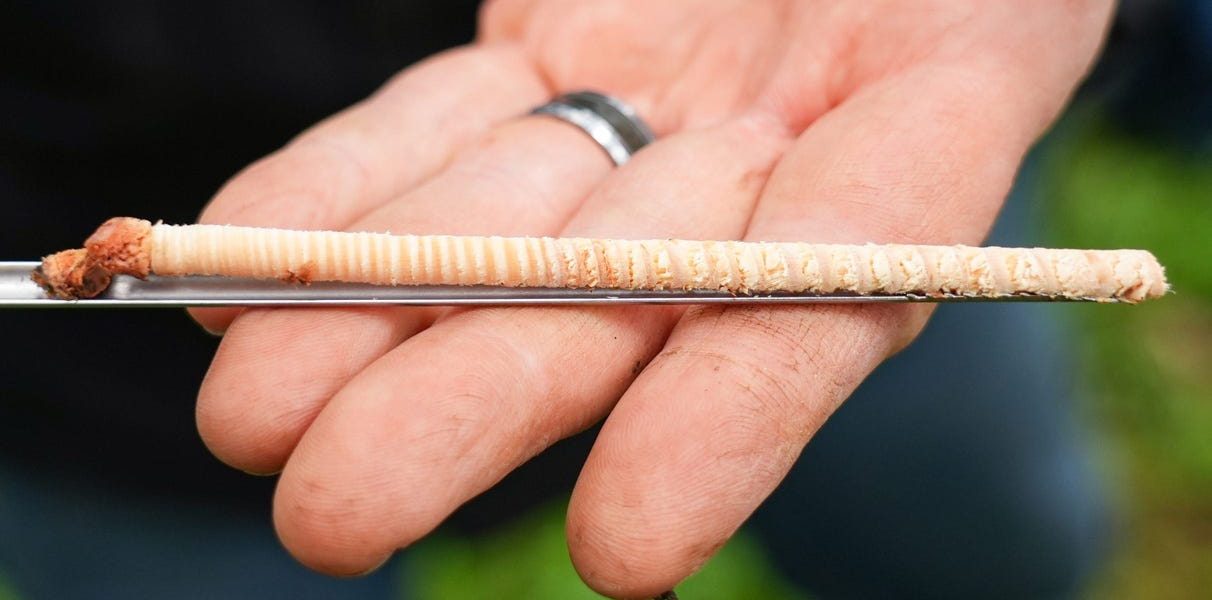
These dendroclimatological wizards have been busy. They’ve been peering into tree rings, mostly from long-lived conifer species that call Central America home. And each one of those rings isn’t just a marker of age; it’s a proxy for rainfall, temperature, and atmospheric pressures – everything you’d need to reconstruct past weather. It’s like finding a series of detailed climate journals, meticulously kept by organisms who literally stood through every squall, every sun-drenched season, every atmospheric twitch. Their annual rings give scientists a precise yearly record, better than almost anything else we had from that far back, to tell us not just about dry spells or rainy periods, but about the very specific fingerprint of individual El Niño events.
And what have they found? They’ve identified eras — for example, between the years 1700 and 1750 — when there was a [QUOTE_PLACEHOLDER] 30% increase in severe hurricane landfalls during periods of intense El Niño events. This isn’t just theory; it’s hard data extracted from organic archives, telling a tale that significantly precedes our modern-day gizmos. Because our traditional methods, like checking out oceanic sediment cores or ice cores, are great, but they often lack this kind of annual fidelity, this pinpoint accuracy that trees just happen to have. It’s pretty amazing, when you stop to consider it. We’re getting a terrestrial-based, high-resolution timeline straight from the ground up, rather than the deep sea or the distant ice caps.
But what does it really mean, for us right now? Well, it suggests that our previous notions about the relationship between El Niño and hurricanes were, shall we say, a bit underdeveloped. It wasn’t just a flick of the wrist; it was a deeply ingrained pattern that recurs over centuries. This newfound ability to trace past climatic forcing agents back through the ages could help us refine our understanding of climate change’s natural versus anthropogenic components, allowing us to disentangle human-caused changes from the planet’s own rhythms. And that’s important, you’d agree. It certainly informs a lot of big policy decisions, doesn’t it? (Or, at least, it should.)
📄 POLICY WIRE WHITEPAPER PUBLISHED: PAKISTAN'S NATIONAL SECURITY POLICY PRIORITIES
👉 READ BY CLICKING HEREBut this isn’t merely an academic curiosa. Think about nations already struggling with the whims of nature. Countries like Pakistan, for instance, in the wider South Asian — and Muslim world. They’re often caught in a relentless cycle of extreme weather. Whether it’s devastating floods exacerbated by erratic monsoons—influenced by distant ocean cycles like El Niño—or the occasional brush with Arabian Sea cyclones, climate variability hits hard. Pakistan, like its regional neighbors, faces food security issues, internal displacement, and the monumental task of rebuilding, sometimes year after year. Understanding these deep historical climate links provides them with better, longer-range predictive power, theoretically allowing for more informed disaster preparedness, infrastructure planning, and agricultural adaptation. And Lord knows, they could use it.
And for regions across the Caribbean, for instance, still smarting from historical hurricane seasons—like the one that devastated Puerto Rico in 2017—this kind of long-term insight is priceless. The ability to forecast severe hurricane frequencies with greater confidence years or even decades out could mean the difference between economic resilience and collapse. We’re not talking about minor adjustments; we’re talking about fundamental shifts in how coastal cities are built, how emergency services are funded, and where populations might need to move. It really puts a whole new spin on climate forecasting, giving it a much-needed long view.
What This Means
The implications are substantial, stretching far beyond academic papers into the cold, hard realities of political and economic stability. For developing nations, particularly those along vulnerable coastlines or dependent on monsoon rains—a good chunk of the South Asia and Muslim world falls into this category—refined long-term climate predictions derived from such studies aren’t just useful; they’re essential. They offer a tangible strategic advantage in an era of escalating climate threats. Governments could make more informed decisions about everything from urban planning and energy infrastructure to agricultural subsidies and humanitarian aid allocation. Imagine planning for a likely severe hurricane season not just months, but years in advance—what could that save? Lives, certainly. Trillions in infrastructure, absolutely. But it also presents a different kind of challenge: persuading politicians to act on data spanning centuries when their typical electoral cycles barely manage five years. That’s the real policy hurdle, isn’t it? Translating slow-burn scientific insight into urgent political action.