



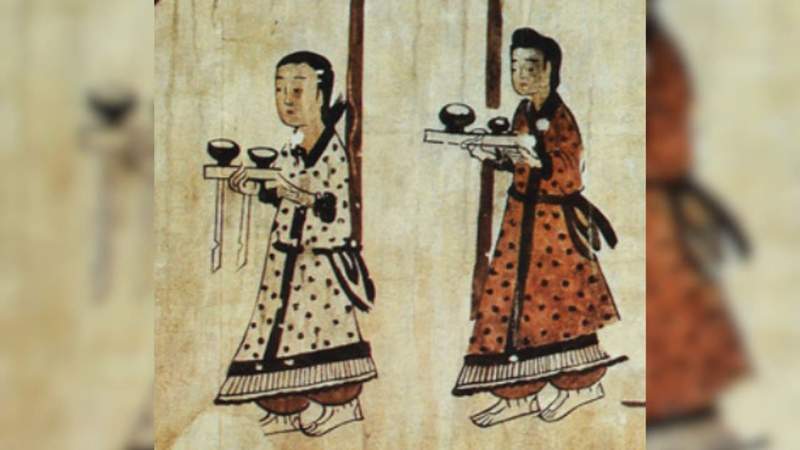
Ancient Korean Gaya Tombs Reveal Human Sacrifice and Interbreeding Evidence
POLICY WIRE — Gyeongju, South Korea — Groundbreaking archaeological discoveries at an ancient burial complex in southern Korea have provided unprecedented insights into the social structures and...

POLICY WIRE — Gyeongju, South Korea — Groundbreaking archaeological discoveries at an ancient burial complex in southern Korea have provided unprecedented insights into the social structures and genetic makeup of the Gaya Confederacy, a significant Iron Age polity.
Researchers have uncovered compelling evidence pointing to the practice of human sacrifice within these ancient tombs, alongside genetic findings suggesting widespread interbreeding among different population groups.
Unearthing Ancient Rituals and Society
The excavation, primarily focused on royal Gaya tombs, unearthed skeletal remains exhibiting signs consistent with ritualistic killing. These findings challenge previous understandings of funerary practices during the Gaya period, which spanned from 42 CE to 562 CE.
Archaeologists observed specific burial positions and trauma patterns on certain skeletons, indicative of individuals who may have been sacrificed to accompany deceased elites. This suggests a hierarchical society where such extreme acts were part of solemn burial rites.
“The meticulously analyzed remains offer a stark glimpse into the severe social stratification and belief systems prevalent in ancient Gaya, where human life could be ritually offered,” stated a lead archaeologist involved in the study.
Genetic Insights into Population Dynamics
Beyond the sacrificial evidence, advanced DNA analysis performed on skeletal samples from various graves has revealed a complex genetic landscape. The study identified genetic markers suggesting extensive intermixing between populations inhabiting the Korean Peninsula and groups from neighboring regions, possibly including parts of China and Japan.
This genetic blending points to a dynamic period of migration, cultural exchange, and assimilation within the Gaya Confederacy. The findings provide crucial data on the population movements that shaped early Korean history, demonstrating a far more diverse genetic heritage than previously understood.
📄 POLICY WIRE WHITEPAPER PUBLISHED: PAKISTAN'S NATIONAL SECURITY POLICY PRIORITIES
👉 READ BY CLICKING HEREThe presence of diverse genetic lineages within the burial complex highlights Gaya’s role as a nexus of regional interaction and cultural exchange during the Iron Age.
Implications for Korean History
These dual discoveries — ritualistic human sacrifice and significant population interbreeding — fundamentally reshape our understanding of the Gaya Confederacy. They illuminate both the darker, more ritualistic aspects of ancient Korean society and the rich tapestry of its genetic origins.
The research is expected to fuel further studies into the sociopolitical organization of Gaya, its interactions with contemporary kingdoms like Silla and Baekje, and the broader demographic shifts in East Asia during this critical historical epoch.