


America’s Uneven Cradle: New Mexico’s Children Flounder in Policy Purgatory
POLICY WIRE — ALBUQUERQUE, N.M. — We’re often told America’s kids are doing just fine, that progress is a given. But if you take a proper look, a real, unvarnished look, the...

POLICY WIRE — ALBUQUERQUE, N.M. — We’re often told America’s kids are doing just fine, that progress is a given. But if you take a proper look, a real, unvarnished look, the picture’s far less rosy. This isn’t about blaming parents, not really. It’s about policy — or the profound lack thereof, if you’re in places like New Mexico, which finds itself mired near the very bottom of the national ladder when it comes to nurturing its youngest citizens.
It’s an uncomfortable truth for a nation that prides itself on exceptionalism: child well-being, across the United States, isn’t marching forward in lockstep. The latest Annie E. Casey Foundation 2026 KIDS COUNT Data Book drops that sobering bit of news, putting the national child well-being score at 547 on a 0-to-1,000 scale. Think of it like a middling C-plus on a report card, for the entire country. We’ve got pockets of genius, sure, but a whole lot of mediocrity — and outright failure lurking in the background. It’s almost ironic, isn’t it? A nation with unmatched resources, — and its kids are struggling. [QUOTE_PLACEHOLDER]
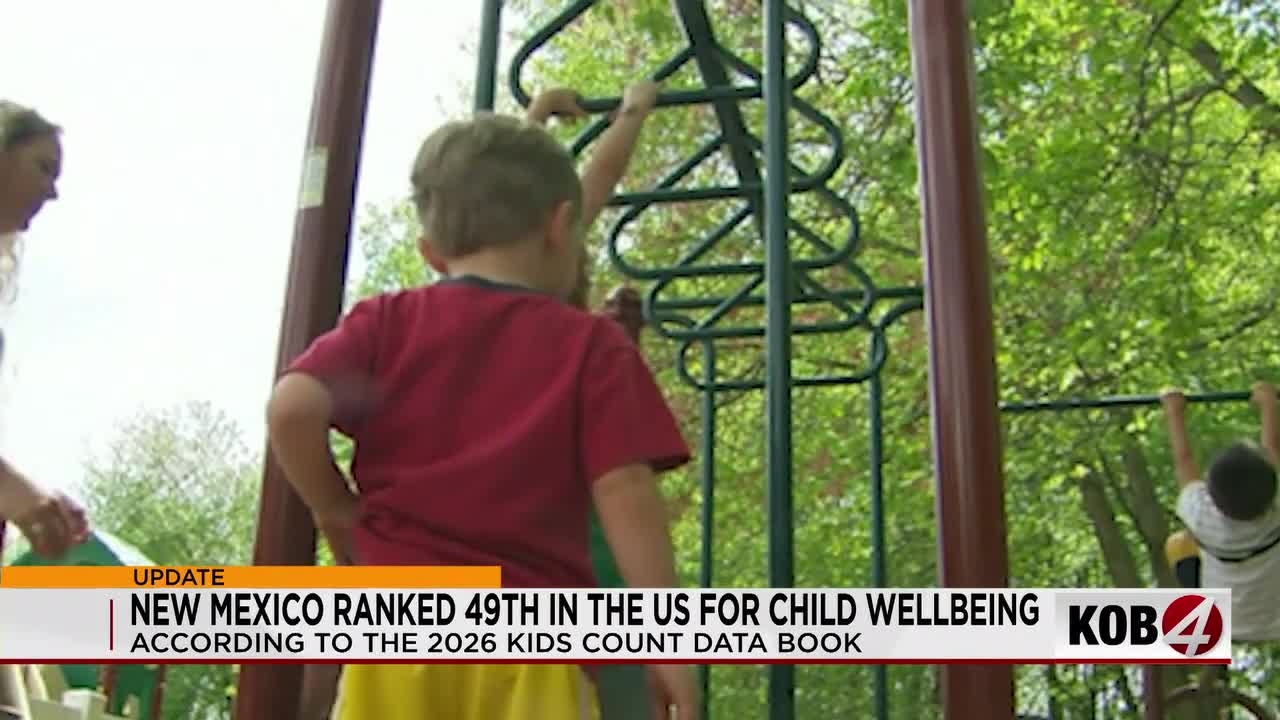
And then there’s New Mexico. You might picture arid landscapes — and turquoise skies, a place steeped in history and culture. But its children? They’re living a much harsher reality, if these numbers tell us anything. The report’s stark assessment places the state 49th overall, with a dismal score of 281. Mississippi – yes, that Mississippi – narrowly beat it for last place at 271. When you’re vying for a bottom spot, that’s not exactly bragging rights territory. Specifically, the Land of Enchantment stumbled badly: 47th in economic well-being, dead last at 50th in education, 41st in health, and 50th yet again in family and community.
Because, well, it’s not just about one bad score. This is a pattern. It points to something far deeper than just a rough year. And sure, the report did mention some improvement from 2019 to 2024, citing gains — modest ones — in economic well-being and family and community measures. They pointed to the state’s 2023 expansion of the child tax credit as one example of action tied to KIDS COUNT data. It’s a classic case of pouring a few buckets of water on a house fire; it helps, yes, but it hardly extinguishes the blaze.
Nationally, we’ve seen some bright spots, for whatever they’re worth. Teen births — blessedly — fell 24%. The share of children living in high-poverty areas also dropped 22%, which equals about 1.3 million fewer children in those communities. That’s real progress, — and we shouldn’t dismiss it. But those gains feel almost swallowed whole by the abysmal performance in other areas. We’re talking education, folks. Seventy percent of fourth graders were not proficient in reading in 2024, up from 66% in 2019, according to the Annie E. Casey Foundation. Let that sink in. Seventy percent. Three out of ten kids are reading at grade level. For eighth graders, it’s worse in math: 73% were not proficient, up from 67%. We’re talking about an entire generation being left behind academically, almost by design.
When Lisa M. Lawson, president — and chief executive officer of the Annie E. Casey Foundation, states that “Millions of children are counting on the adults who shape policy and investment to do their very best to build a strong future for our country. We must not let them down,” it lands differently when you look at these numbers. It feels like a plea, almost a scolding, aimed squarely at a political class seemingly preoccupied with anything but the bedrock future of the nation.
One might observe the stark contrast — or unsettling parallels — with other parts of the world. Take, for instance, nations in South Asia like Pakistan. While facing immense socio-economic challenges and far fewer resources, there’s often a fervent discourse around child welfare, particularly literacy and health initiatives. Efforts to improve primary education enrollment and combat child labor are constant, albeit uphill, battles for governments and NGOs. These countries, despite their difficulties, regularly see public demands for systemic improvements in children’s opportunities. You can’t help but wonder if some of that urgency — that visceral understanding that constitutional supremacy and proper governance aren’t just academic exercises but direct determinants of well-being — is sometimes lost amidst the comfortable chaos of American policy-making. We might not have street protests over child reading levels, but maybe we should.
The numbers from the report — 29 states showing worse overall child well-being than in 2019, with only 15 improving — illustrate a policy inertia, a collective shrug from leaders whose actions (or inactions) reverberate for decades. New Hampshire might be celebrating its first-place score of 838, but that doesn’t make up for New Mexico, or Mississippi, or the 27 other states heading in the wrong direction.
What This Means
This isn’t just a feel-good story gone sour; it’s a stark indicator of policy dysfunction, carrying significant political and economic ramifications. For states like New Mexico, chronic underperformance in child well-being is an economic time bomb. We’re talking about a future workforce that lacks fundamental skills, an increased burden on social services, and a reduced tax base as less-educated citizens earn less. It creates a self-perpetuating cycle of poverty — and disadvantage that saps a state’s economic dynamism for generations. No ‘bold policy experiment’ in the future can wholly undo this foundational damage if kids aren’t being set up for success now. It’s like neglecting the foundations of a skyscraper — doesn’t matter how fancy the penthouse is, the whole thing’s wobbly.
Politically, these figures should be — — and frankly, are not — a rallying cry for accountability. But don’t count on it. Often, leaders manage to obscure or deflect blame, treating statistics like these as mere inconveniences rather than emergencies. However, states that invest strategically in their children, understanding that early childhood development and robust education are the ultimate infrastructure projects, will invariably see economic returns. We’ve seen glimmers of what well-designed programs can do. For every failing grade, there’s a policy tweak, an investment choice, or a legislative priority that could shift the needle. It’s about making choices that prioritize long-term societal health over short-term political expediency. The cost of inaction is almost incalculable, measured in stunted lives — and diminished national capacity.