


America’s Gates Tighten: Supreme Court Signals Hardline Shift on Asylum
POLICY WIRE — Washington, D.C. — Sometimes, a legal pronouncement barely registers on the morning news cycle, but its true reverberations hit folks—hard—months down the line. Such is the case with a...

POLICY WIRE — Washington, D.C. — Sometimes, a legal pronouncement barely registers on the morning news cycle, but its true reverberations hit folks—hard—months down the line. Such is the case with a recent, less-than-thunderous announcement from the nation’s highest court. It seems Uncle Sam’s welcome mat just got a whole lot smaller, if not outright incinerated, for those seeking safe harbor.
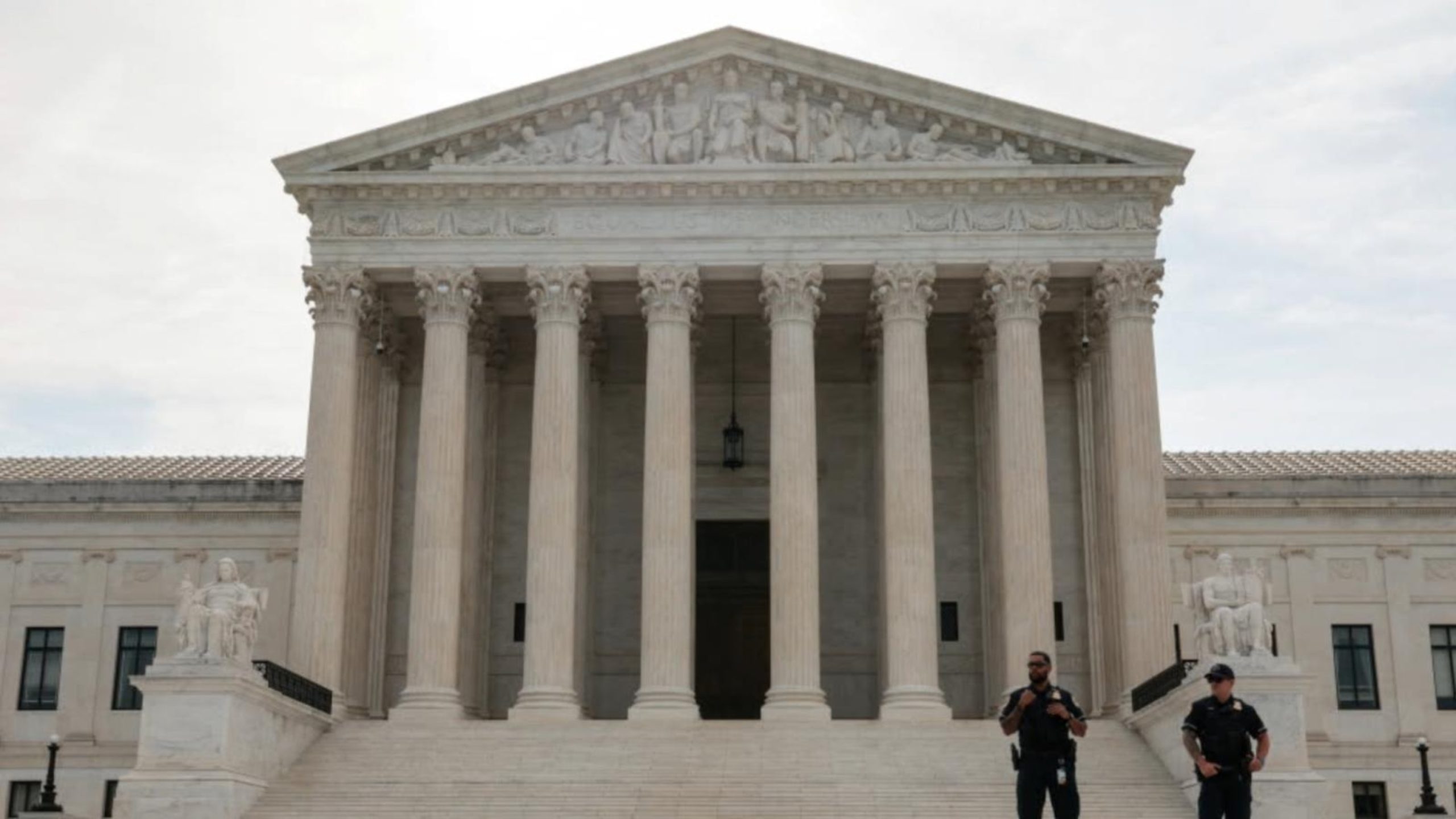
This particular ruling, handed down with the usual solemnity one expects from that marble edifice, effectively gives the executive branch more wiggle room to apply its own restrictive rules to asylum claims. Forget the ideal of America as an open refuge for the world’s downtrodden. Instead, we’re looking at a bureaucracy empowered to turn more people away at the digital gate, if not the physical one. It isn’t just a bureaucratic tweak; it’s a profound declaration about who belongs, and who decidedly doesn’t, in a landscape already fractured by economic precarity and geopolitical chess games.
The details are dry, legalistic. The implications? They’re soaked in human desperation. For years, legal aid groups — and human rights advocates have been fighting against these kinds of measures. But now, after this judicial nod, the government’s efforts to accelerate deportations and limit entry points seem, well, blessed. It’s a pragmatic win for those wanting fewer migrants, an utterly devastating loss for those fleeing certain death. It’s that simple, that stark.
The impact stretches far beyond the southern border of the United States. Think about the humanitarian crises unfolding halfway around the world, from Afghanistan to Syria, where entire populations live under threat of violence or political oppression. Individuals from countries like Pakistan, facing ongoing economic instability and periodic internal conflict, often eye options abroad, including asylum claims in the West. This Supreme Court action sets a cold precedent. It suggests that even the most compelling narratives of escape might now face a significantly steeper uphill battle, pushing vulnerable populations further into the shadows or into an agonizing cycle of rejection. It might force some into more perilous journeys or, worse yet, back to places they desperately tried to escape. That’s the real kicker here, isn’t it?
And it doesn’t just impact immediate asylum seekers. Such policy shifts create a domino effect across the global migration apparatus. Other nations, already struggling with their own influxes of displaced persons, might just see this as tacit approval to tighten their belts further. It’s a tacit license to chill, affecting the flow of people right down to the camps in places like Turkey and Bangladesh. This decision, quiet as it was, could very well amplify the geopolitical challenges simmering in regions where Gulf waters turn ominous and political futures hang by a thread. But of course, who’s counting.
It’s interesting how policies crafted in a D.C. courtroom can dictate the future of someone making a frantic dash across a dusty border a continent away. The judicial branch, it appears, isn’t just interpreting laws; it’s shaping destinies. We’ve been told [QUOTE_PLACEHOLDER]. One imagines the bureaucratic sigh of relief from those tasked with managing America’s immigration quandary. For those on the other side, however, that sigh just might sound like the final closing of a door.
Because when legal avenues narrow, humanity doesn’t just stop needing help. No, it finds new, often more dangerous, ways to seek it. That’s a lesson history teaches us again — and again, usually to our chagrin. According to data compiled by the United Nations Refugee Agency (UNHCR), global forced displacement figures eclipsed 120 million individuals by mid-2024, an all-time record, making any tightening of asylum rules a policy with outsized repercussions.
What This Means
This judicial endorsement of stricter asylum processing isn’t merely a technicality. Politically, it grants the executive branch—whether it’s the current administration or a future one—substantial leeway to implement highly restrictive immigration policies without immediate, broad judicial obstruction. It effectively prioritizes national sovereignty and border control over established, if often embattled, humanitarian norms. Economically, fewer asylum seekers means a reduced (albeit marginal) strain on social services in border states, but it also means a missed opportunity for the demographic and labor contributions migrants often provide. For South Asia, in particular, where millions are internally displaced or seeking external stability due to climate change, conflict, or economic woes, this U.S. ruling sends a chilling message: your struggle, however acute, may no longer qualify you for entry. It could inadvertently strengthen anti-immigrant narratives globally, impacting aid flows and the willingness of other nations to host refugees. It really makes you wonder about the long game, doesn’t it?