

Albuquerque’s Uneasy Calm: Shadows of Old Battles Stir Amidst Police Violence Surge
POLICY WIRE — ALBUQUERQUE, N.M. — It wasn’t the sirens slicing through the desert air that truly rattled the foundations of Albuquerque last week, but the ghost of past failures. It’s that...

POLICY WIRE — ALBUQUERQUE, N.M. — It wasn’t the sirens slicing through the desert air that truly rattled the foundations of Albuquerque last week, but the ghost of past failures. It’s that chilling feeling when the news ticker, blinking red, seems to play out an old script — one everyone thought had been meticulously rewritten. And City Councilor Nichole Rogers didn’t just feel it; she penned her dismay in a sharply worded letter, channeling a palpable civic unease that suggests something’s come unstuck within the city’s uniformed ranks.
Rogers’s missive wasn’t subtle; it was a blaring klaxon, an official’s thinly veiled panic that the city might be sleepwalking back into the long, dark shadow of federal Department of Justice oversight. For a municipality that spent years—and fortunes—trying to shrug off that burdensome shroud, it’s a fear that hangs heavy, especially as the echoes of gunfire have recently grown louder on these sun-baked streets.
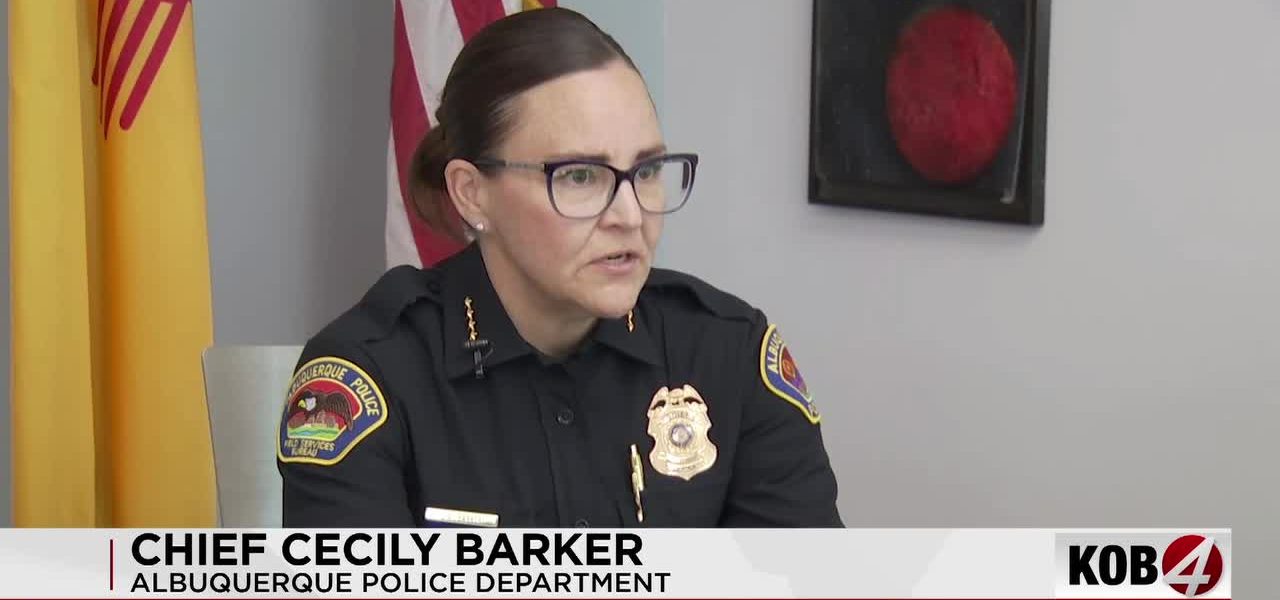
APD Chief Cecily Barker, ever the stoic pragmatist in public, isn’t pretending away the concern. “We recognize the community, rightfully so, is going to be concerned, and there are going to be questions,” she acknowledged, her words perhaps designed to calm more than inform. But she doesn’t appear entirely convinced that the current tumult signals a full-blown relapse. Barker sees it as part of the job’s brutal rhythm: “We go through hills and valleys.” She even pointed to a quieter period as proof: For three and a half months leading up to this latest flurry, the department saw no officer-involved shootings. No incidents, nada.
But the numbers have dramatically—and disturbingly—shifted. In just the last 10 days, Albuquerque police officers were involved in four separate shooting incidents, two of which proved fatal, according to APD’s own preliminary reports. That’s a staggering turnaround. And the department’s brisk response to this sudden surge—accelerating its executive review meetings, which usually crawl along—betrays a nervousness that even Barker’s steady demeanor can’t quite mask. They’re trying to “get ahead of any trends,” she said, underscoring the raw scramble now underway to identify if something, anything, systemic has gone awry. They’ll pick apart every incident: How the call came in, what information officers had in their hands, whether anyone bothered with de-escalation tactics, or what a different outcome might’ve looked like. They’ll even conjure up recommendations for how not to screw things up next time.
This urgent internal audit aims to reassure, to project an image of a force in control—a sharp contrast, perhaps, to some developing nations where similar events often spark outrage and protests against perceived impunity, be it in a distant district of Karachi or a bustling square in Dhaka. Trust in institutions, particularly those wielding power, is a fragile thing. When accountability is lacking, or even just seems slow, the public square fills with questions, not answers.
But how deep does the institutional memory run? Is this truly just a transient spike, or something more insidious? “There’s a deep-seated apprehension here,” Councilor Rogers elaborated, her voice firm even through the phone line. “We worked too hard, paid too steep a price, to simply accept ‘hills — and valleys’ when lives are on the line. Accountability isn’t seasonal; it’s non-negotiable.” And that, of course, is the rub. The department is keen to trumpet its newfound nimbleness—its ability to implement reforms or ‘special orders’ almost instantly now that the federal watchdogs aren’t peering over every shoulder, a process that used to drag on for six months to a year, or even longer. Whether this speed equates to genuine systemic improvement, or merely faster bureaucratic shuffling, remains an open question.
📄 POLICY WIRE WHITEPAPER PUBLISHED: PAKISTAN'S NATIONAL SECURITY POLICY PRIORITIES
👉 READ BY CLICKING HEREIt’s worth noting the transparency, limited though it may be. Body camera footage from two of the incidents has already dropped. In one, a suspect fired at officers; in another, someone charged with a knife. Simple, clean narratives that, like most things in law enforcement, rarely tell the whole messy story. Investigations by APD Internal Affairs — and a multi-agency task force are underway, naturally. For now, the department wants you to wait patiently. Patience. They’ve certainly asked for a lot of that before.
What This Means
The political implications here are stark. If this trend holds, Chief Barker’s job, and indeed the reputation of Mayor Keller’s administration, become significantly more tenuous. Public confidence, always a volatile commodity, could erode rapidly, threatening municipal bonds and discouraging outside investment. Economically, a perceived slide back into a law enforcement crisis—especially one that invites federal scrutiny—could put a chokehold on civic and commercial vitality. Businesses considering relocation often factor in public safety and governmental stability, making any prolonged instability a direct hit to the city’s bottom line. the re-engagement of the Department of Justice would inevitably divert significant city resources—both human and financial—away from other critical areas like infrastructure or education, into compliance efforts, hindering growth. The echoes of federal oversight reverberate not just in police procedure, but through every line item in the municipal budget, threatening to unravel years of painstaking recovery efforts and potentially reigniting old divisions within a community that yearns for a sustained era of peace.
The city, for all its struggles, thought it had turned a corner. Now, it seems like the asphalt’s cracked, and the same old patterns of confrontation, accusation, and uneasy promises are bubbling right back up to the surface. It’s a dance Albuquerque knows all too well, one that’s seldom pretty. Whether it’s a temporary misstep or a return to old, ugly habits, one thing’s for sure: nobody’s betting on smooth sailing. And the air, once again, feels thick with suspicion.