


Albuquerque’s Familiar Fray: Oversight Shadows Return Amid Police Shooting Surge
POLICY WIRE — Albuquerque, N.M. — In cities like Karachi, when the public starts eyeing the local constabulary with a fresh mix of fear and weariness, you know things ain’t quite right. That same...

POLICY WIRE — Albuquerque, N.M. — In cities like Karachi, when the public starts eyeing the local constabulary with a fresh mix of fear and weariness, you know things ain’t quite right. That same uneasy current, a feeling of we’ve been here before, haven’t we?, is running strong through Albuquerque these days. It’s a familiar, bitter taste for residents who thought their police department was, well, on the up — and up. Turns out, old ghosts sometimes linger.
Because just in the last 10 days, according to reports now swirling through every coffee shop and town hall meeting, local officers have pulled the trigger in four separate incidents, with two proving fatal. It’s a statistic that doesn’t just raise eyebrows; it jams the phone lines of community activists and civic leaders alike. You can’t just shrug off that kind of immediate acceleration—that’s nearly one lethal encounter every other workday.
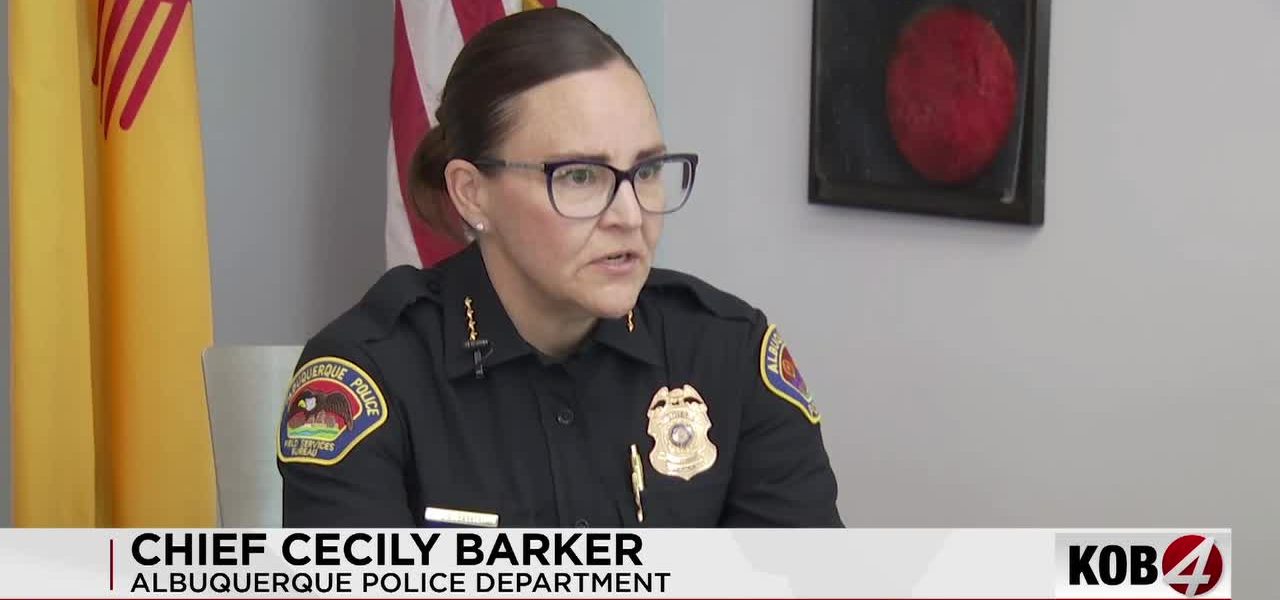
And really, who could blame folks for getting agitated? APD Chief Cecily Barker isn’t pretending otherwise. Her own words acknowledge it. “We recognize the community, rightfully so, is going to be concerned, and there are going to be questions,” Barker said, likely bracing for the deluge she knows is coming. It’s less an apology, more an acknowledgment of the obvious, the kind you offer when the house is already on fire and you’re fetching a bucket of water.
But the real, gnawing worry? It’s not just the present spree; it’s the specter of yesteryear. The kind of policy failures that invite—or necessitate, depending on your perspective—the federal government to step in and effectively take over. The ghost of past Department of Justice (DOJ) oversight looms large, threatening to resurrect a period many hoped was firmly in the rear-view mirror. It’s like watching a bad rerun you didn’t ask for, isn’t it?
City Councilor Nichole Rogers, for one, isn’t holding back. She didn’t just grumble; she sent a letter to KOB 4 sharing her opinion on the urgency the department should have to act quickly and prevent any regression to past failures that led to federal monitoring. That’s a clear signal from the political flank—a reminder that a watch is being kept, and patience isn’t a bottomless commodity. But Barker, to her credit, pushed back, or at least offered a slightly deflating metaphor. “We go through hills and valleys,” Barker said. “If you look at the last three and a half months before the previous 10 days, we didn’t have any officer-involved shootings.” A statistical quiet before the storm, perhaps? One could argue that’s not exactly a robust defense for current events.
Still, something had to give. So, naturally, the department is fast-tracking its executive review. They’re calling it an acceleration, — and one expects, almost demands, it. The Officer-Involved Shooting (OIS) review, which is usually a bit of a bureaucratic amble, is now slated to start next week. “We want to get ahead of any trends that we’re seeing,” she explained, as if trends are subtle shifts in fashion, not life-and-death encounters. The review, for those keeping score, is supposed to look at everything from the dispatch call and information available to officers, to de-escalation techniques and recommendations for what might have been done differently.
What we know about a couple of these incidents isn’t particularly soothing. One case reportedly involved a suspect firing at officers who then returned fire, which, let’s be frank, usually leaves little choice. Another, allegedly, saw a suspect charge at officers with a knife. Neither scenario paints a picture of textbook de-escalation opportunities, complicating the narrative for both critics and supporters. It’s never as simple as we want it to be.
📄 POLICY WIRE WHITEPAPER PUBLISHED: PAKISTAN'S NATIONAL SECURITY POLICY PRIORITIES
👉 READ BY CLICKING HEREChief Barker stresses a new agility. APD, she claims, can move quicker now than during the federal reign. Back then, getting findings or reforms into actual practice took a grueling six months to a year. Now, if they spot something amiss, “If we identify a trend, we can immediately address that in a special order and have it in effect instantly,” Barker explained. It’s a good line, really—all about proactive policy pivots. But having the theoretical capacity for speed and actually using it effectively are often two entirely different things, particularly when trust in institutions, whether it’s local police in Albuquerque or a district magistrate in Ghana grappling with judicial reforms, is consistently under pressure.
The internal affairs investigations are ongoing, as is the work of the Multi-Agency Task Force. These are the cogs in the bureaucratic machine that grind away, promising findings after a process that feels like an eternity for those directly impacted. Patience, we’re told, is a virtue. But it’s also what happens when you’re out of other options, when waiting for an answer is the only answer you’ve got.
What This Means
The current turbulence in Albuquerque isn’t just about police shootings; it’s a barometer for institutional health and public faith. Politically, this surge puts immense pressure on Chief Barker — and the city’s leadership. Any perception of reverting to pre-DOJ accountability standards will be politically calamitous, making a quick, demonstrably transparent response crucial for career longevity and public mandate. If the city’s residents don’t see swift, decisive action and policy adjustments that genuinely reduce these incidents, calls for external intervention will only intensify, perhaps leading to new, harsher forms of oversight. And nobody really wants that, do they?
Economically, persistent public distrust in law enforcement can subtly erode civic engagement, impact business investment (who wants to set up shop in a city perceived as unstable?), and strain city budgets through litigation and further reform efforts. Just look at the long-term impact in Pakistan, where even modest calls for police reforms can trigger nationwide debates that distract from more pressing economic concerns—demonstrating how fundamental police-community relations are to a society’s overall stability and economic narrative. The current spike suggests Albuquerque isn’t out of the woods on a truly critical, complex issue that will require more than just quick fixes. It’ll demand consistent, relentless leadership. Otherwise, they’ll find themselves caught in the same cycle they claim they’re trying to escape.