

Albuquerque’s Rainbow Stance: Local Pride Echoes a Global Fault Line
POLICY WIRE — Albuquerque, United States — It’s easy enough to shrug off local headlines, dismiss them as just ‘more community stuff’ bubbling up in America’s...

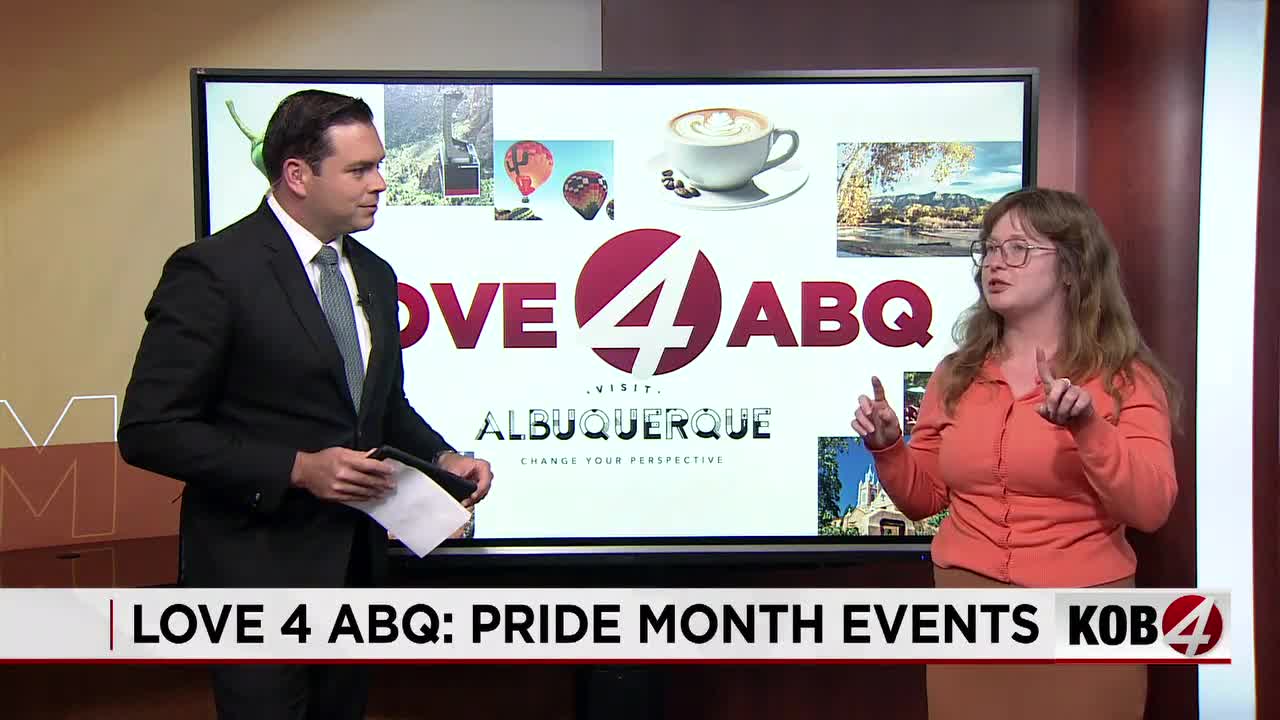
POLICY WIRE — Albuquerque, United States — It’s easy enough to shrug off local headlines, dismiss them as just ‘more community stuff’ bubbling up in America’s sprawling middle. But sometimes, an innocuous announcement about “Various events for Pride Month will be held in Albuquerque throughout the month of June” punches above its weight, becoming less a simple bulletin and more a subtle signal flare across an increasingly fractured global landscape. You see, what passes for a normal summer calendar item in New Mexico often sparks outright firestorms elsewhere—or remains utterly unspeakable.
Down here in Albuquerque, a city that typically grabs headlines for its dry desert air and maybe a chili cook-off, June means a different kind of public display. Folks will gather. There’ll be parades, probably some workshops, maybe even a street fair. It’s about identity, acceptance, community building for many, a quiet declaration of belonging. But what happens on Central Avenue or along the Rio Grande isn’t happening in, say, Islamabad or Riyadh. And that stark contrast is precisely where the seemingly mundane local story becomes a macro-political lens. [QUOTE_PLACEHOLDER]
Because while one segment of the world celebrates ‘Pride,’ other parts continue to criminalize it. It’s not just a matter of different cultural traditions; it’s a deep-seated ideological clash playing out on legislative floors and in town squares, from the American Southwest all the way to South Asia. The concept of ‘diverse sexual orientations and gender identities’—as Pride aims to champion—is viewed as an existential threat to societal norms by powerful conservative factions in many Muslim-majority nations, and indeed, within certain corners of American society too. They see it as an imposition, an erosion of traditional values, sometimes even a Western ‘export’ designed to destabilize their social fabric.
It’s why events here, simple as they may seem, represent a particular worldview. They suggest a polity wrestling, often imperfectly, with individual liberties, collective identity, and the relentless march of changing social constructs. America’s legal framework, while still imperfect and under constant renegotiation, generally supports freedom of expression and association, including for LGBTQ+ communities. And that’s a hell of a thing to try to explain to someone whose country imprisons or worse for similar ‘expressions.’
Contrast this with, for example, Pakistan. There, laws derived from religious tenets make homosexual acts punishable with severe penalties, including life imprisonment. There aren’t public ‘Pride Month’ events in Karachi or Lahore. People don’t gather to celebrate their sexual orientation in open forums. This isn’t to condemn—it’s to observe. It’s to highlight the absolute chasm between a KOB.com announcement for Albuquerque and the harsh realities faced by individuals trying to live openly in other parts of the world. It shows us that what’s ‘normal’ is exceptionally fluid, — and often geographically bounded.
A recent Pew Research Center study, published June 7, 2023, indicated that about six-in-ten Americans believe society should be accepting of people who are lesbian, gay, or bisexual. That number has climbed steadily over the last two decades. Compare that against a global landscape where, according to ILGA World, 64 countries still criminalize consensual same-sex sexual acts. This isn’t just about statistics, though. It’s about the tangible difference between planning a float for a parade — and fearing for your life. And it gets pretty uncomfortable, don’t it?
This Albuquerque-based public interest announcement isn’t merely an informational blip; it’s a quiet testament to the specific liberties, both hard-won and sometimes taken for granted, in one corner of the United States. They want “For more information on when and where those events will take place, click here.” Those clicks, those attendance figures, they’re votes in a cultural election. Because local actions, however small, always resonate further than we think, pinging against the starkly different political frequencies elsewhere. The very ability to “Watch the video above for more” is a political act, a display of openness that’s a radical statement by other geopolitical standards.
What This Means
The staging of events like those for Pride Month in Albuquerque carries more weight than just local community building; they’re implicitly political declarations in an era of escalating cultural conflict. Economically, such events can drive local tourism, support small businesses catering to diverse communities, and signal a welcoming environment for a particular demographic of residents and talent. But more broadly, they embed the city within a larger progressive socio-political narrative that champions LGBTQ+ rights. This alignment, while celebrated domestically by proponents of inclusivity, often creates diplomatic friction on the international stage.
For nations with traditionalist social structures—and particularly in countries across South Asia and the wider Muslim world, where social mores are often underpinned by religious interpretations that don’t accommodate non-heteronormative identities—these “celebrations” are often viewed as examples of Western cultural imperialism or moral decay. This dichotomy feeds into broader geopolitical narratives, impacting foreign policy dialogues, human rights diplomacy, and even trade relationships. Policy Wire explored similar frictions recently in our piece, Policy Shift: Sparks’ Plum Return Foreshadows Fragile Power Dynamics, discussing how cultural shifts reverberate across different domains.
domestic political implications aren’t minor. The promotion or sanctioning of Pride events often becomes a litmus test for political candidates and parties, defining their alignment within America’s own cultural wars. The right to gather, the right to express, and the public recognition of these rights by local authorities can foster an atmosphere of greater safety and belonging for marginalized groups. Conversely, it can also embolden conservative backlashes, leading to local ordinances or state-level legislation aimed at curtailing these expressions, creating legislative battlegrounds. This seemingly localized set of Albuquerque happenings is, therefore, a miniature case study of the macro forces shaping social policy and power dynamics, both within U.S. borders — and far beyond them, serving as a reminder that local action always has a global shadow.