


Albuquerque’s Arena: Beneath High School Lights, Economic Realities Play Out
POLICY WIRE — Albuquerque, New Mexico — Every Wednesday evening, as dusk settles over the high desert landscape, local television stations beam out what’s packaged as pure, unadulterated...

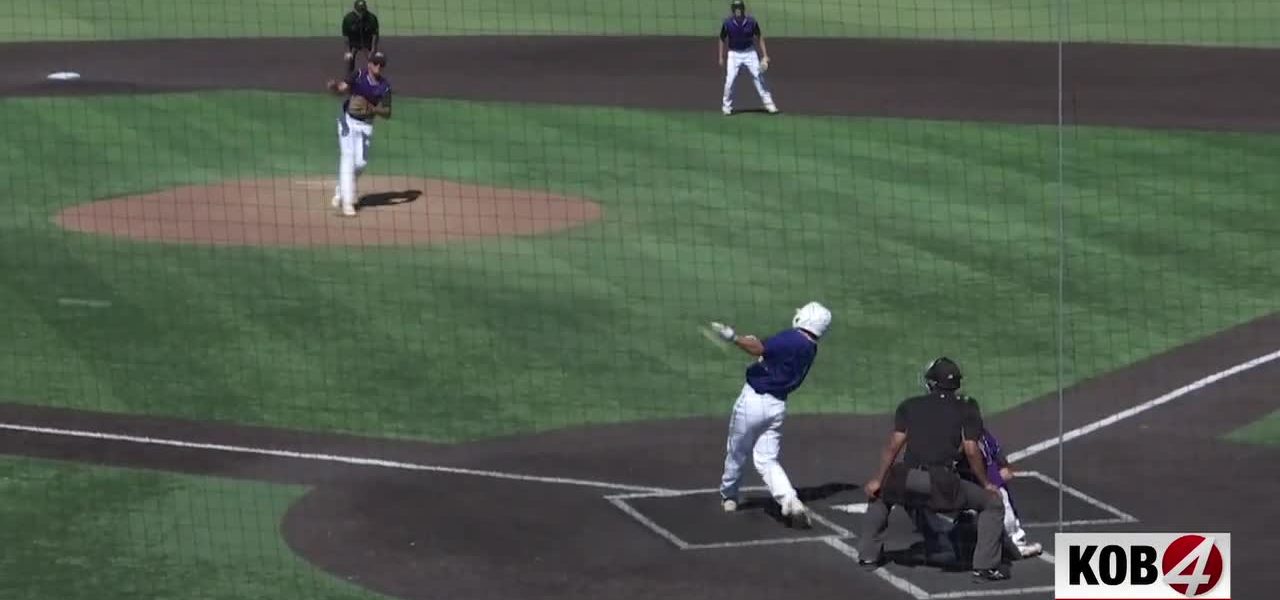
POLICY WIRE — Albuquerque, New Mexico — Every Wednesday evening, as dusk settles over the high desert landscape, local television stations beam out what’s packaged as pure, unadulterated triumph: high school sports highlights. The segment, usually anchored by fresh faces like Devin J. Martin — and Emily Faith on KOB, is a ritual. It’s meant to be a balm, a weekly digest of local prowess — and innocent competition. But peel back the glossy veneer of slam dunks and touchdown passes, and you’ll find a more complex narrative playing out – one that speaks volumes about urban resilience, systemic pressures, and the quiet economics of hope.
Because these highlights, deceptively simple, don’t just exist in a vacuum. They’re a broadcast from Albuquerque, New Mexico—a city that, for all its charm and vibrant culture, consistently grapples with socioeconomic headwinds. A glance at the beaming faces of young athletes might suggest robust community support and opportunity, yet the statistics paint a harsher picture for many. These aren’t just games; they’re often one of the few tangible outlets for ambition, or sometimes, a distraction from circumstances far tougher than a fourth-quarter deficit.
It’s interesting, isn’t it, how the smallest units of local media—a quick sports wrap—can, if you let it, echo larger, almost global themes? You watch those kids, pushing themselves, chasing a future, and you can’t help but think about youth everywhere trying to break free. “These programs, they’re not just about touchdowns; they’re about building pathways,” asserted Maria Sanchez, New Mexico’s Secretary of Education, in a recent Policy Wire exclusive. “They’re one of our best shots at keeping kids engaged, giving them something to strive for when so much else feels uncertain. But frankly, state funding barely keeps pace. It’s a perpetual tightrope walk.”
The sentiment isn’t unique to the American Southwest. You’ll find similar dynamics in cities halfway around the world. In Karachi or Lahore, for instance, government-backed sports initiatives, particularly cricket academies, frequently become unexpected sanctuaries and economic escape routes for young people living in crowded, under-resourced neighborhoods. They, too, offer a glimpse of structured success against a backdrop of struggle, broadcast on state-owned channels, a deliberate echo of national pride and youthful ambition. It’s the same fundamental aspiration, just different balls, different pitches.
And let’s not forget the dollars. The upkeep of these athletic facilities, the travel, the coaching staff—it all demands a constant flow of funds. Who pays? The parents, the boosters, local businesses, — and often, state coffers that are already stretched thin. Dr. Elias Vance, an urban economist specializing in arid region demographics, didn’t mince words. “Local sports coverage, while ostensibly benign, inadvertently becomes a barometer for community economic health. You see who has well-maintained fields, who travels easily for tournaments—it’s not always a level playing field, and it reflects disparities we often pretend aren’t there.” Vance, speaking to Policy Wire, underscored the psychological uplift these events provide. “The ‘gameday’ atmosphere creates a fleeting sense of collective achievement, a communal narrative of victory. It’s a soft power, really, fostering a sense of shared destiny—or at least shared diversion—in economically challenging times.”
📄 POLICY WIRE WHITEPAPER PUBLISHED: PAKISTAN'S NATIONAL SECURITY POLICY PRIORITIES
👉 READ BY CLICKING HEREIndeed, that shared sense of triumph is sometimes all a community can cling to. New Mexico faces considerable challenges, with nearly one-quarter (23%) of its children living in poverty in 2022, according to data from the Annie E. Casey Foundation’s Kids Count Data Book. When those numbers hit home, high school heroics provide a momentary reprieve, a surge of pride that money can’t quite buy. Albuquerque’s economic reality is hard, and these spotlights, however brief, offer more than just points on a scoreboard. They offer a public affirmation of effort, a whisper of a wider world beyond the immediate struggle.
But can a weekly recap of prep sports truly paper over deep structural issues? No. Does it reflect the everyday scramble in households where putting food on the table eclipses scoring the winning goal? Yes. And in that delicate balance between local pride and global-facing socioeconomics, KOB’s gameday segment becomes, perhaps unintentionally, a regular mirror. It reflects a society trying to celebrate its youth while navigating the choppy waters of contemporary economic flux, reminiscent of communities worldwide, including those struggling in the shadow of fading empires and the hard economics of hope.
What This Means
The political implications of local media’s sports coverage, particularly in economically strained regions, extend far beyond casual entertainment. For one, it subtly reinforces local identity and community cohesion, which can be an asset for political stability but also distracts from more systemic issues demanding governmental action. Think of it as a low-cost social good, absorbing youth energy that might otherwise become discontented. Economically, these athletic programs, while ostensibly about amateur competition, form part of a broader local ecosystem: driving spending on equipment, travel, and even small-scale concessions. When a local broadcast chooses to feature them prominently, it validates not just the athletes, but also the myriad stakeholders whose efforts keep these wheels turning. The irony, of course, is that the cheerfulness projected on screen often camouflages the acute need for more profound economic investment and educational reform in places like New Mexico.