


Albuquerque’s 320-Year Heritage Marks a Loss and a Legacy
POLICY WIRE — Albuquerque, New Mexico — Three hundred and twenty years. Think about that for a second. In a nation often criticized for its fleeting attention span, New Mexico’s San Felipe de Neri...

POLICY WIRE — Albuquerque, New Mexico — Three hundred and twenty years. Think about that for a second. In a nation often criticized for its fleeting attention span, New Mexico’s San Felipe de Neri Church Fiestas have been a constant, an unbroken thread in the complex tapestry of Southwestern culture for more than three centuries. It’s an almost unimaginable span of time, each year bringing together generations for community, contemplation, and — inevitably — plenty of ‘fiesta burgers.’ But this year, nestled among the familiar celebrations, was a distinct and palpable note of remembrance.
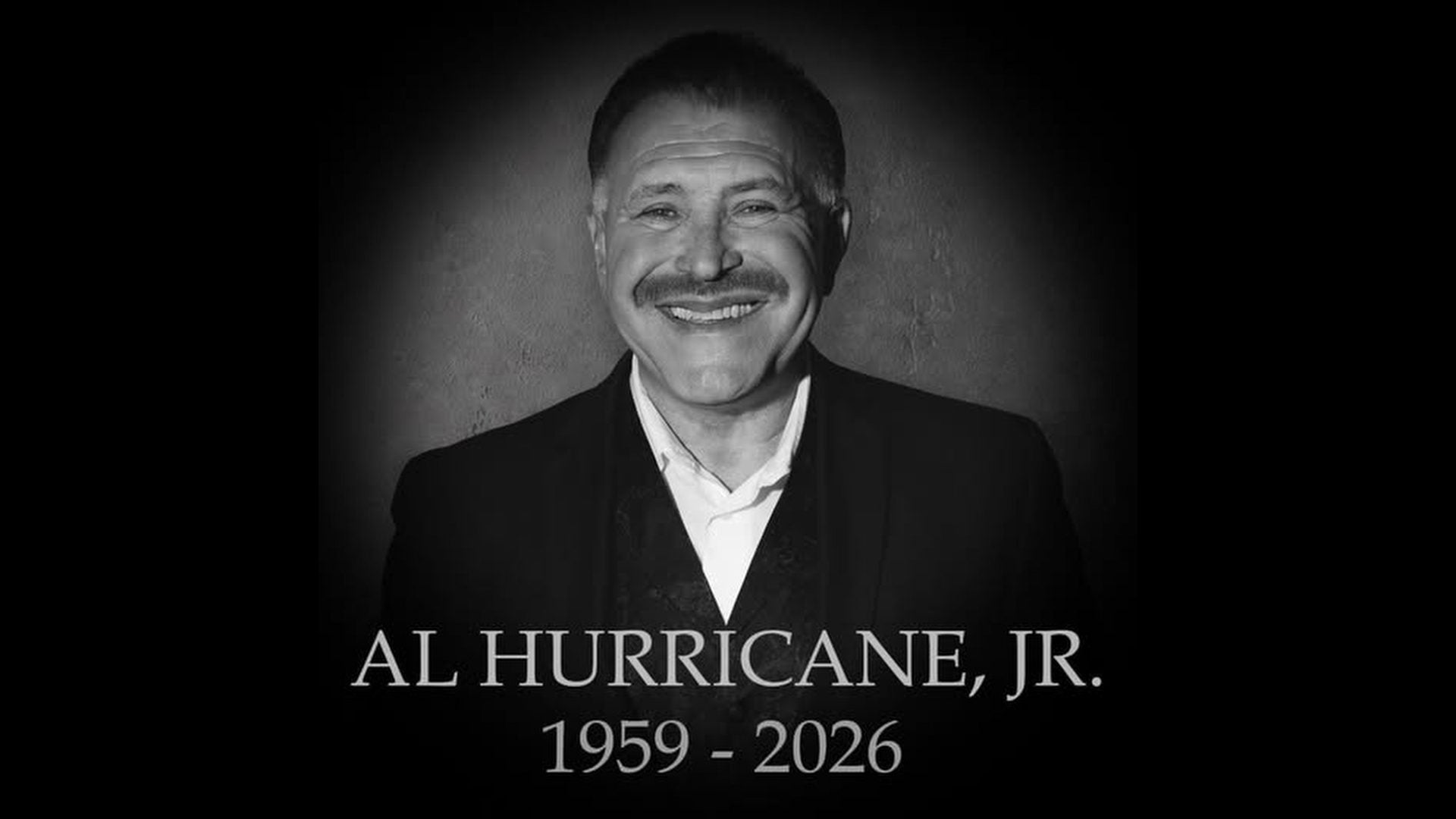
It wasn’t just another annual event on the cultural calendar; it was a communal wake for one of the region’s own, a musical scion who, until very recently, seemed as enduring as the Fiestas themselves. This gathering was dedicated to Al Hurricane Jr., son of the original musical legend, a man who built his own indelible reputation through sound waves and community presence. He left us too soon, really. The Fiestas—a living monument to the region’s past—served as a fitting stage for this collective mourning, a public validation of a life well-lived in the service of local art. [QUOTE_PLACEHOLDER]
His passing, an abrupt shock to the cultural landscape of the Land of Enchantment, made the Fiestas an impromptu yet solemn tribute. The very continuity of the 320th Annual San Felipe de Neri Church Fiestas provided a powerful context, transforming a historical observance into a poignant, present-day farewell. Albuquerque, for all its modern development, still anchors itself to these deep roots—the ancient parish church and its sprawling celebration, a space where memory isn’t just observed, it’s performed.
This particular iteration of the Fiestas wasn’t merely a series of performances or the introduction of a ‘Royal Court.’ It centered on honoring a man taken too soon. Al Hurricane Jr. passed away suddenly May 19. He was 66 years old. This stark fact resonated throughout the event. Clergy—specifically Father Michael Chiagorom—offered a blessing, elevating the tribute beyond simple celebrity worship to something more sacred, an acknowledgment of a life’s spiritual dimension. And the music, of course. Performances from groups like Gilbert Lechuga & The Shysterzz weren’t just entertainment; they were hymns to a fallen star.
The lineup was designed, carefully one assumes, to evoke Hurricane’s influence and acknowledge the torch he carried, then passed. Jerry Dean, Jeremy Sanchez and Christian Sanchez performed a special remembrance—what’s often described as a eulogy in song—for ‘El Godson’ and his family’s rich musical heritage. That heritage isn’t abstract; it’s a family business. The family of Al Hurricane Sr. and Jr. even took the stage themselves in Old Town Plaza. That’s real generational stuff, it’s. The sheer resilience of the Al Hurricane legacy is what strikes you most, echoing the staying power of the Fiestas themselves.
These sorts of intergenerational cultural anchors—familial musical traditions, centuries-old community festivals—aren’t unique to Albuquerque. Across the globe, particularly in places like Pakistan’s Sindh province, you find similar, almost organic continuities. Musicians, poets, and storytellers become the conduits of history, passing down melodies and narratives that define entire regions. Think of the sufi qawwals whose family lineages stretch back generations, performing at shrines that have been centers of spiritual and cultural life for hundreds of years. The specific notes differ, but the underlying tune of cultural preservation through shared experience, of reverence for the artistic deceased, it’s remarkably similar, isn’t it?
And yes, the Fiestas, true to their tradition, remained ‘free and open to the public for admission.’ Because you don’t monetize pure heritage, not really. This open access fuels the Fiestas’ sustained relevance — and impact. These types of cultural gatherings, by the way, have a significant if sometimes overlooked economic footprint. For example, festivals in New Mexico contribute, on average, a notable portion to local economies through tourism and local spending, often totaling millions of dollars annually, according to studies by the New Mexico Department of Tourism. It’s not just sentiment; it’s commerce. Local vendors, craftsmen, and small businesses rely on the crowds drawn by these events, which also serve as powerful incubators for regional identity and pride.
They’ve got something for everyone, as these things usually do: ‘There will be fiesta burgers, a cake walk, a car show and celebration, including the Royal Court introductions.’ This grab-bag of attractions ensures broad appeal, bridging demographic divides and bringing together residents young and old. It’s what keeps traditions alive—that clever blend of the sacred, the secular, and the simply fun. Because sometimes, you just want a ‘fiesta burger’ while honoring a local icon, right?
What This Means
The convergence of this historic celebration — and the posthumous tribute to Al Hurricane Jr. highlights a quietly potent dynamic in regional politics and economics: the role of culture as both a social glue and an economic engine. In an era where global homogenization often threatens unique identities, institutions like the San Felipe de Neri Fiestas demonstrate the enduring power of local heritage to unify and distinguish a community. Political leaders in New Mexico don’t just attend these events for photo ops; they’re acknowledging a deeply ingrained form of civic infrastructure, one that transcends partisan squabbles and directly impacts the local economy through tourism and community engagement. these events act as unofficial repositories of collective memory, shaping narratives that inform regional identity—an often-underestimated factor in voter behavior and community cohesion. For Policy Wire readers, it’s a stark reminder that even seemingly apolitical cultural events possess significant sociopolitical and economic implications, illustrating how identity and legacy aren’t just matters of sentiment but measurable factors in a functioning society. It’s about remembering, yes, but also about reinforcing who you are, together.