


A Bleak Fifteenth: South Sudan’s Independence Day Marred by Fresh Bloodshed
POLICY WIRE — Juba, South Sudan — For a young nation, birthdays are supposed to be celebratory. A chance to reflect on past struggles, yes, but mostly a moment to look forward with some measure of...

POLICY WIRE — Juba, South Sudan — For a young nation, birthdays are supposed to be celebratory. A chance to reflect on past struggles, yes, but mostly a moment to look forward with some measure of hope. Not so in South Sudan, it seems. As its people nominally marked fifteen years since shaking off the chains of Khartoum, the familiar, grim tableau of violence unfurled once more. Fifteen lives extinguished, just like that—a stark, blood-soaked reminder that the cheers for independence long ago faded into a whisper, often drowned out by gunshots.
It’s an unsettling paradox, isn’t it? A nation born of immense sacrifice and international goodwill, now routinely commemorates its sovereignty with fresh casualties. The latest outbreak, scattered across restive areas, didn’t make front-page headlines globally, of course. It’s too common. But for those on the ground, for the families burying their dead instead of waving flags, it’s a raw, immediate terror. Just fifteen years. For many states, that’s barely out of adolescence. But here, it feels like an eternity of trying—and failing—to forge a cohesive identity amidst a persistent tribal patchwork and brutal political squabbles.
And what’s the official line from Juba? It’s predictable, frankly. President Salva Kiir’s administration, often embroiled in its own internal power plays, consistently preaches peace while the state machinery seems to hum with conflict. “This violence, this senseless loss, it doesn’t represent the spirit of our independence,” a presidential spokesperson, Ateny Wek Ateny, stated in a terse release, a phrase that’s become almost boilerplate. “We call upon all communities to lay down their arms — and work towards the peace we fought so hard for.” Right. Because those pleas have worked so well before, haven’t they?
The international community watches, sometimes wrings its hands, occasionally sends more aid that frequently goes astray. “The cyclical nature of violence in South Sudan remains a grave concern for stability in the region and beyond,” lamented Mark Lowcock, formerly a UN humanitarian chief, speaking generally about the conflict’s lingering grip. “True peace demands genuine political will and a fundamental commitment to inclusive governance.” It’s boilerplate on both sides, which makes you wonder if anyone’s actually listening.
Because, beneath the veneer of official declarations, the true stories are far messier. Economic despair fuels these skirmishes; localized cattle raids escalate into ethnic clashes, then mutate into something far more intractable involving disillusioned ex-combatants and resource-starved communities. Data from the UN’s Office for the Coordination of Humanitarian Affairs (OCHA) showed that in 2023, an estimated 7.7 million people in South Sudan—about 60% of its population—faced severe food insecurity, a brutal arithmetic that often drives desperate measures and violent opportunism. That’s a staggering figure for a nation that’s meant to be building, not simply surviving.
It’s hard not to draw parallels. You see it across post-colonial states, particularly those with a history of external manipulation or internal ethnic divisions. Look at Pakistan, for example, or various nations across the wider Muslim world—societies born out of struggle, often finding their foundational myths continuously challenged by persistent internal strife, resource allocation battles, or ideological fissures. South Sudan isn’t unique in its woes; it’s a stark example of the often-protracted, messy, and devastating path many such nations have to navigate post-liberation. There’s no quick fix, no magic wand. And when basic state functions can’t even guarantee safety, what exactly is there to celebrate?
📄 POLICY WIRE WHITEPAPER PUBLISHED: PAKISTAN'S NATIONAL SECURITY POLICY PRIORITIES
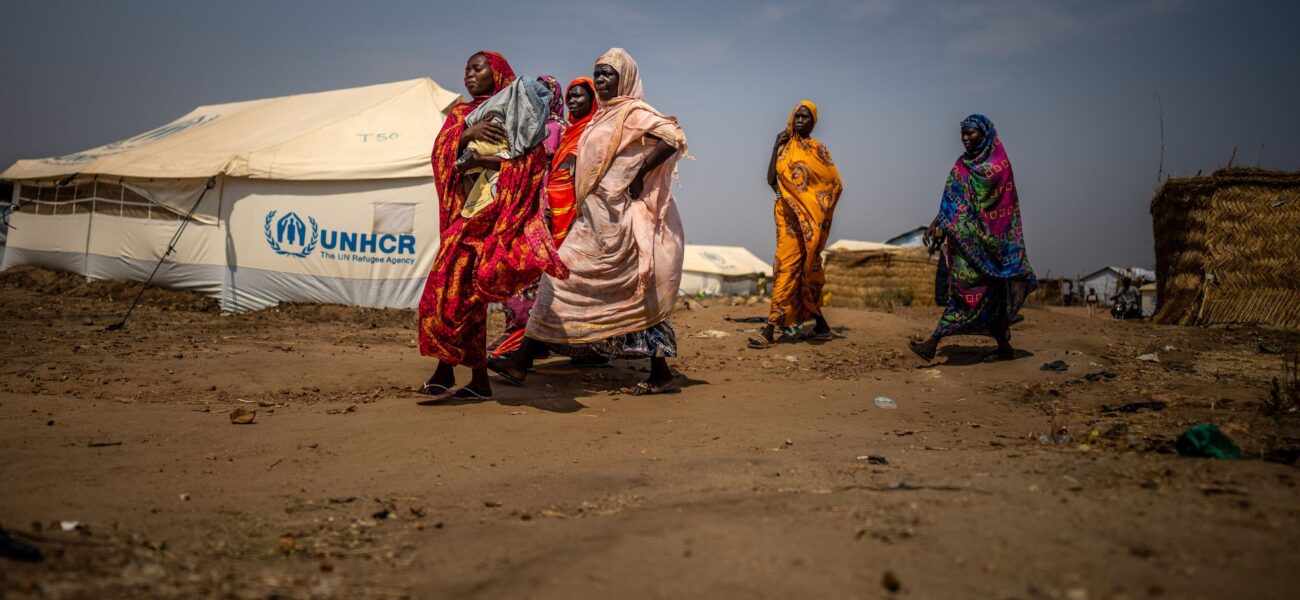
👉 READ BY CLICKING HERECasual observers might think it’s just ‘another African conflict,’ a regrettable but distant footnote. But ignoring such chronic instability has a way of echoing far beyond its borders. Just look at the massive displacement, for one. People forced from their homes – their ‘ghost passengers’ seeking refuge across borders – it becomes a regional problem. A human rights catastrophe.
What This Means
This recurrent bloodshed, particularly around a national holiday, isn’t just unfortunate; it’s deeply symbolic of a nation caught in a self-perpetuating cycle. Politically, it signals the persistent failure of Juba’s power-sharing agreements to truly demobilize armed groups or instill trust across tribal lines. Every fresh casualty chip away at an already fragile social contract. Economically, the instability torpedoes any meaningful long-term investment beyond basic aid, keeping South Sudan dependent and impoverished despite its oil reserves. Businesses, whether local or international, are wary. Development stagnates. It suggests that even after fifteen years and billions in international aid, the fundamental promise of an independent South Sudan – peace, stability, and prosperity – remains largely an aspiration, rather than a reality. The implications stretch across East Africa, placing further strain on neighboring countries grappling with refugee influxes and regional security threats. Unless there’s a dramatic, earnest recommitment to national reconciliation and equitable resource distribution, these mournful anniversaries are simply going to keep piling up, each one stained a little darker than the last.