


Urgent Measures Needed to Protect Livestock from Screwworm Resurgence
The return of screwworms has raised alarms among livestock industry, animal health officials, and pet owners. Learn urgent protective measures now.

POLICY WIRE — London, UK — The re-emergence of screwworms has sparked significant concern within the livestock industry, among animal health officials, and pet owners. The parasitic fly larvae pose a severe threat to animals, causing painful — and often fatal wounds.
Veterinarians — and entomologists are urging immediate action to prevent the spread of this invasive pest. “Screwworms are a serious threat to both livestock — and pets. Early detection and rapid response are crucial to mitigate their impact,” stated Dr. Jane Mitchell, a leading veterinarian.
Screwworms, scientifically known as Cochliomyia hominivorax, lay their eggs in open wounds of warm-blooded animals. The larvae then burrow into the flesh, causing extensive damage. Livestock, including cattle, sheep, — and goats, are particularly vulnerable, but domestic pets are also at risk.
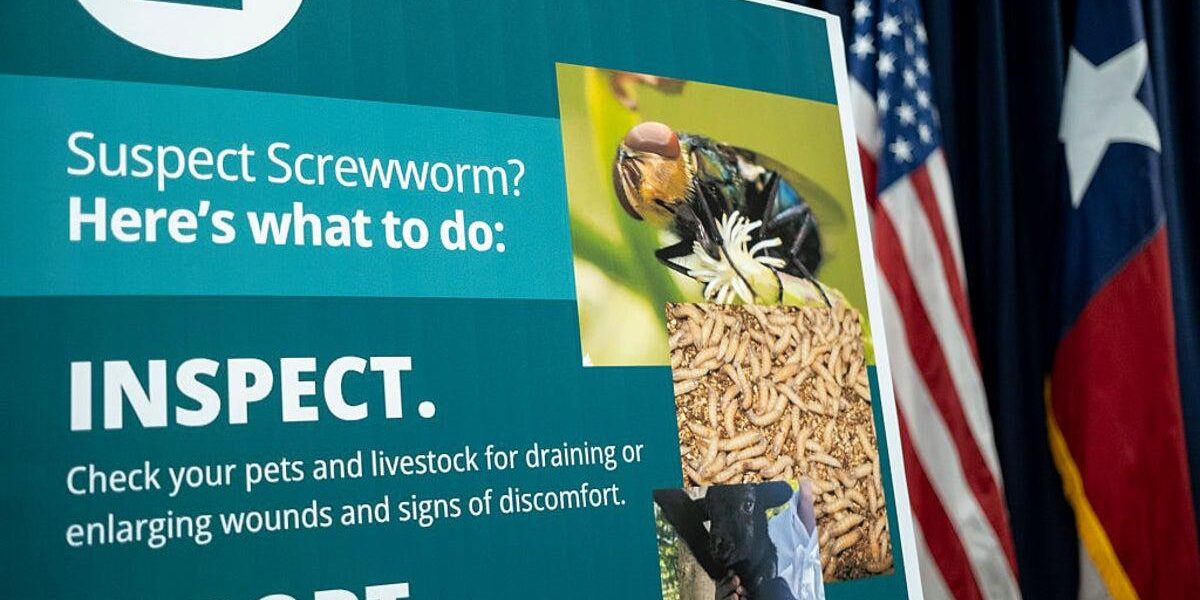
To combat the threat, experts recommend several protective measures:
- Regular Inspections: Frequent checks for wounds or sores on animals can help in early detection.
- Prompt Wound Care: Any injuries should be cleaned and treated immediately to prevent infection and screwworm infestation.
- Use of Insecticides: Applying approved insecticides can deter screwworms from laying eggs on animals.
- Quarantine Measures: Isolating newly acquired animals can prevent the introduction of screwworms into a herd or pet population.
- Public Awareness: Educating pet owners and farmers about the signs and risks associated with screwworms is essential for early intervention.
Government agencies and veterinary associations are working together to raise awareness and provide resources for affected areas. “We’re coordinating with local authorities to ensure that all stakeholders have access to the necessary tools and information to protect their animals,” said a spokesperson from the Department of Agriculture.
The screwworm threat is not new; it was successfully eradicated from the United States and Mexico in the late 20th century through extensive eradication programs. However, climate change — and increased global travel have heightened the risk of its return.
📄 POLICY WIRE WHITEPAPER PUBLISHED: PAKISTAN’S NATIONAL SECURITY POLICY PRIORITIES
Animal health officials stress the importance of a coordinated effort between governments, veterinarians, and animal owners to prevent a widespread outbreak. “This is a community effort. Everyone involved in animal care must be vigilant — and proactive,” emphasized Dr. Mitchell.
For more information on protecting your animals from screwworms, visit our related article on entomology.
Reporting by Policy-Wire (PW)