

Operation Shaban: Pakistan’s Response
The sovereign state exercises a monopoly over the legitimate use of force within its territory; it is an essential aspect of statehood in itself. When terrorists engage in attacks against police...

The sovereign state exercises a monopoly over the legitimate use of force within its territory; it is an essential aspect of statehood in itself. When terrorists engage in attacks against police checkpoints, ambush military convoys, and kill security personnel securing critical infrastructure, no state can afford to watch in silence and ignore its primary responsibility to ensure the safety of its citizens. This is exactly what Pakistan is doing in Balochistan. It is not a political struggle but a terrorist attack which necessitates Operation Shaban, a necessary and proportional measure for the state to fulfill its obligation towards its citizens. There are four reasons behind this claim: the intensity of the attack, the hand from outside that aids them, the proven record of Pakistan’s security apparatus, and the genuine desire to engage in dialogue and development alongside.
A Coordinated Terrorist Offensive
July 4-8, 2026 has seen a calculated attack by the terrorists on the state of Pakistan. The terrorist group carried out a series of killings in the province of Balochistan where 42 individuals were killed in the same period, including 18 police men, 11 soldiers and 4 civilians. This has been acknowledged by the military spokesperson DG ISPR Lt Gen Ahmed Sharif Chaudhry on a press briefing through television. The most critical attack took place on July 7, 2026 on a checkpoint of the police forces at Ziarat Mangi Dam. In the single attack, 27 policemen were martyred who were securing vital infrastructure. Added to it was an ambush of a military convoy on the highway in Lasbela.
A Joint FAK-FAH Threat with Foreign Backing
The July offensive was not the work of a single group. It was a joint operation between the Fitna-al-Khawarij (FAK) and the Fitna-al-Hindustan (FAH), two organizations now cooperating operationally despite their different ideological roots. Afghanistan’s Taliban regime bears direct responsibility as well: it tolerates and enables the terrorist sanctuaries used to plan and launch these attacks. Pakistan has raised this concern repeatedly, but the Afghan regime has shown little interest in fulfilling the commitments it made under the Doha Agreement. Balochistan’s instability is significantly externally driven and externally supported. Such large-scale coordinated attacks are clear indicators of the severity of this threat, and ignoring the same is tantamount to dishonoring the brave sacrifice of the Pakistan Army and security personnel who have laid down their lives for the sake of the people of Balochistan.
Operation Shaban: A Measured, Effective Response
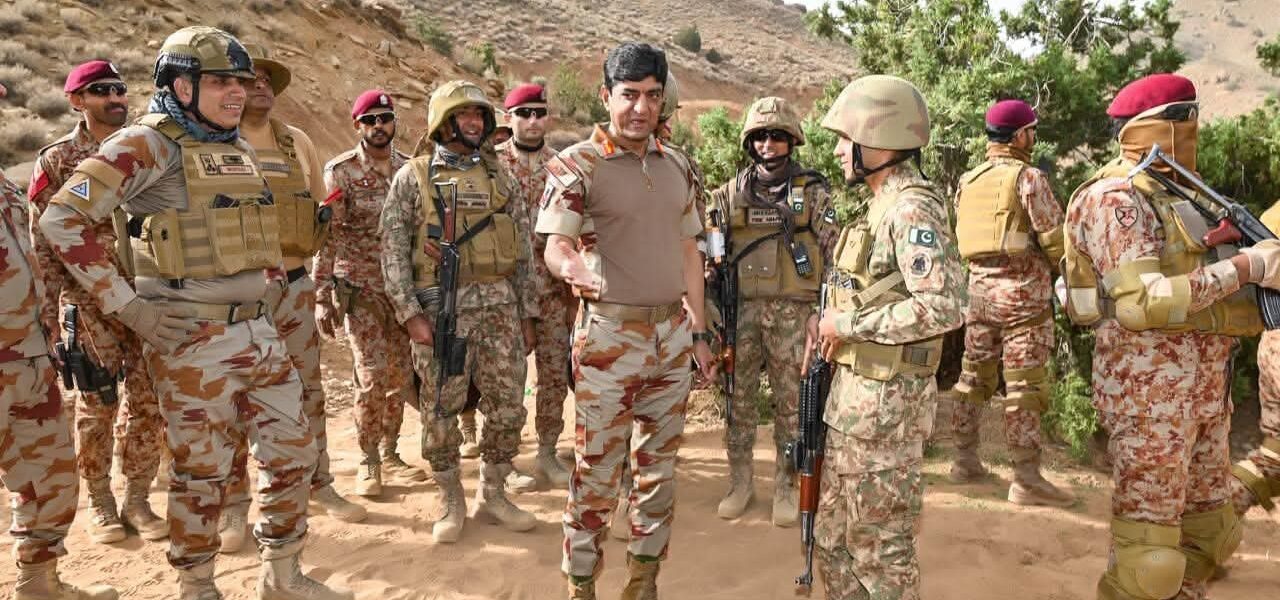
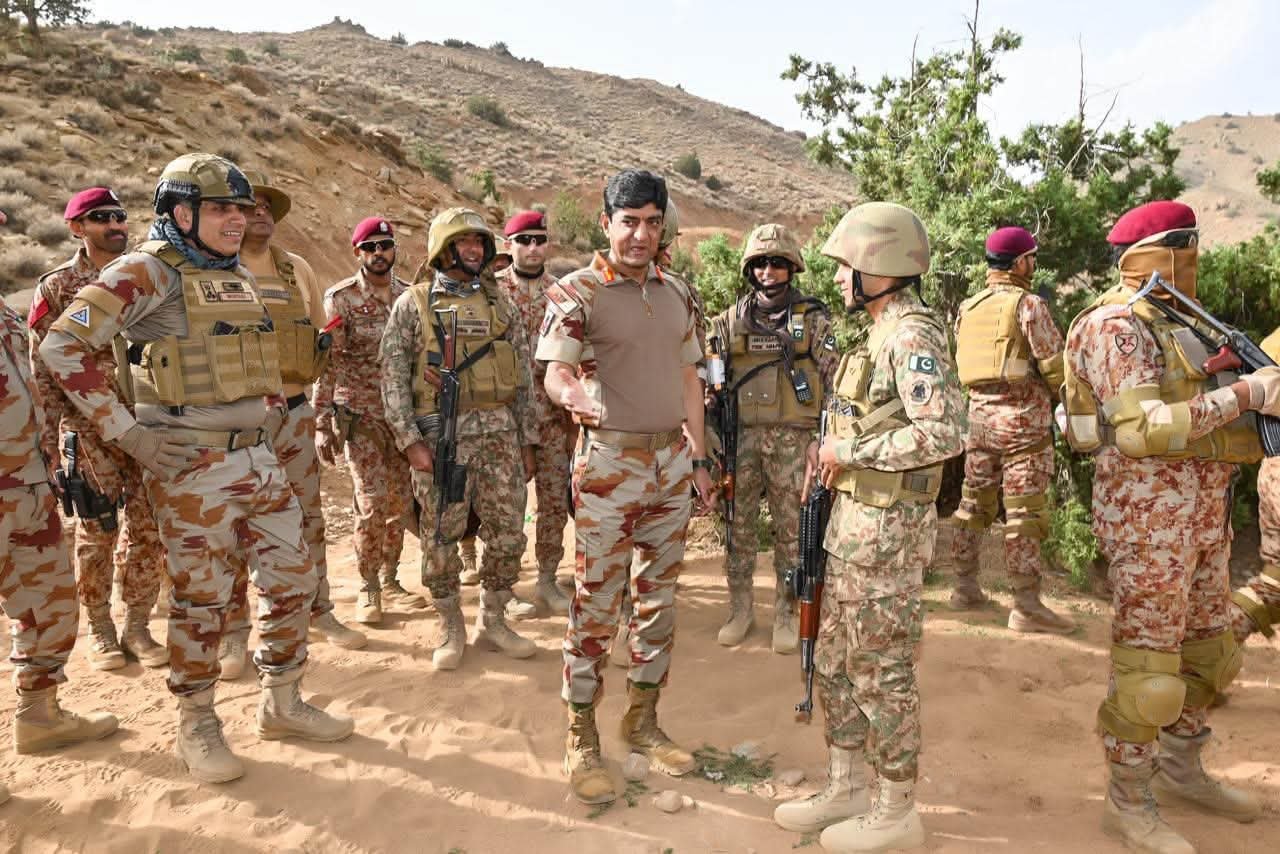
Pakistan launched Operation Shaban in direct response, a joint campaign run by the Army, the Frontier Corps, and Balochistan Police, combining ground operations with air support. The numbers demonstrate both its scale and its success. Security forces killed 75 terrorists within the first week. By the seventh day, that figure passed 100, with 64 attributed specifically to Operation Shaban. By July 16, the cumulative total reached 129 terrorists killed in Operation Shaban and related intelligence-based operations. Security forces detained more than 108 suspects across the province in the same period, the mark of a disciplined, intelligence-led campaign, not indiscriminate force. Pakistan’s security personnel paid a heavy price for these gains, and their sacrifice will not be forgotten or in vain; the nation owes them an enduring debt of gratitude.
Political Engagement Alongside Force
Pakistan is not relying on force alone, and it deserves credit for pursuing a genuinely dual-track strategy. Prime Minister Shehbaz Sharif visited Quetta immediately after the July attacks, met personally with the families of those martyred, and pledged that that responsible will be brought to justice. His government engaged directly with political representatives protesting provincial grievances and agreed in principle to form a judicial commission to investigate the concerns raised by the All-Parties Alliance and victim’s families. The state rightly distinguishes between political dissent, which it accommodates through dialogue, and armed insurgency, which it confronts militarily. Negotiations over provincial governance, cultural recognition, and resource-sharing form a genuine parallel track to the security operation, not a token gesture, but a real and continuing commitment to Balochistan’s people.
The Core Argument
Pakistan faces an externally supported terrorism that deliberately targets civilians, police, and infrastructure. Operation Shaban is a proportionate, intelligence-driven response, measured in the elimination of over 129 terrorists and the arrest of more than 108 suspects, a record of operational discipline that few counter-terrorism campaigns anywhere in the world can match. Pakistan is pursuing political engagement with Baloch representatives at the same time, proving that security and dialogue are not mutually exclusive but mutually reinforcing. This dual-track approach, military pressure paired with governance reform, is the only sustainable path to stability in the province, and Pakistan will not abandon either track.
Author