


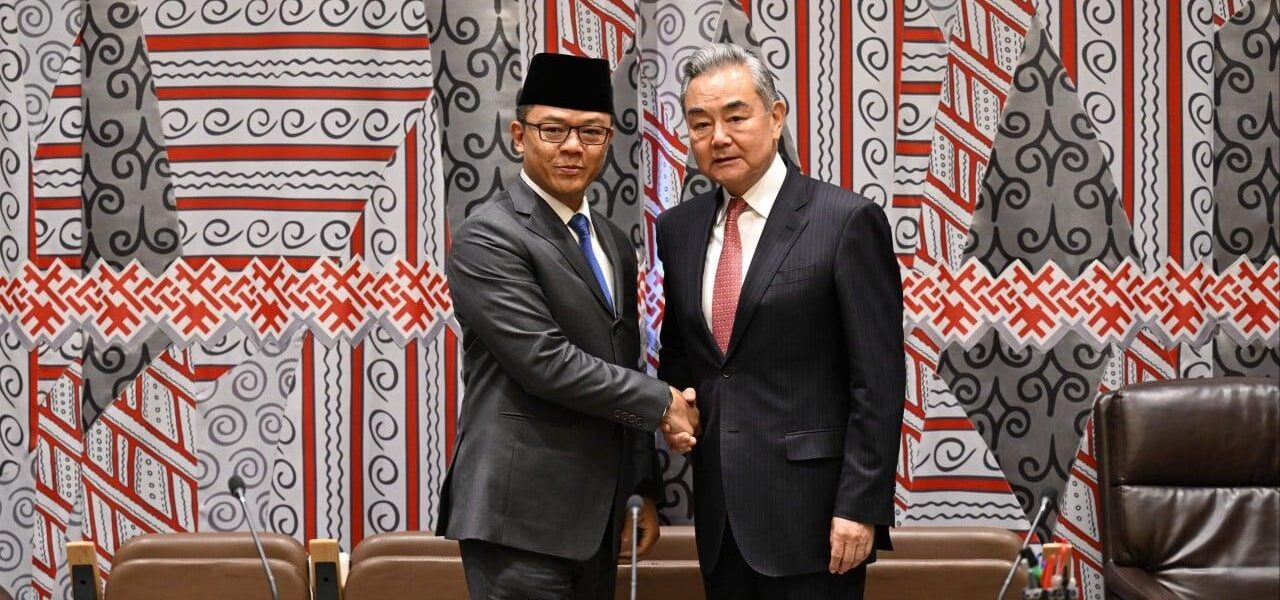
China and Indonesia: A Complex Path to Strengthening Bilateral Ties
Exploring the historical and political dynamics between China and Indonesia, from the Bandung Conference to modern-day complexities.

POLICY WIRE — City, Country — In April 1955, amid the Cold War, representatives from 29 Asian and African nations convened in Bandung, Indonesia, to discuss the principles of a future world order. Among the attendees were leaders from India, China, — and host Indonesia.
While India went on to champion the non-aligned movement at the 1961 Belgrade Conference, China under Mao Zedong and Indonesia under Sukarno were more skeptical of the colonial, Western order. This skepticism laid the groundwork for a complex relationship between the two nations.
The political landscape in Indonesia shifted dramatically when Suharto seized power in 1966, adopting a more US-sympathetic stance. This change in leadership introduced new dynamics into Sino-Indonesian relations, marked by fluctuating alliances and strategic interests.
Today, the relationship between China and Indonesia continues to evolve, influenced by historical context and contemporary geopolitical considerations. Both nations navigate a landscape shaped by past conferences — and current global alignments.
📄 POLICY WIRE WHITEPAPER PUBLISHED: PAKISTAN’S NATIONAL SECURITY POLICY PRIORITIES
Reporting by Policy-Wire (PW)