


Over Half of Children in ICE Courts Represent Themselves, DOJ Data Reveals
New Department of Justice data shows over half of children in ICE immigration courts are representing themselves, raising concerns over due process.

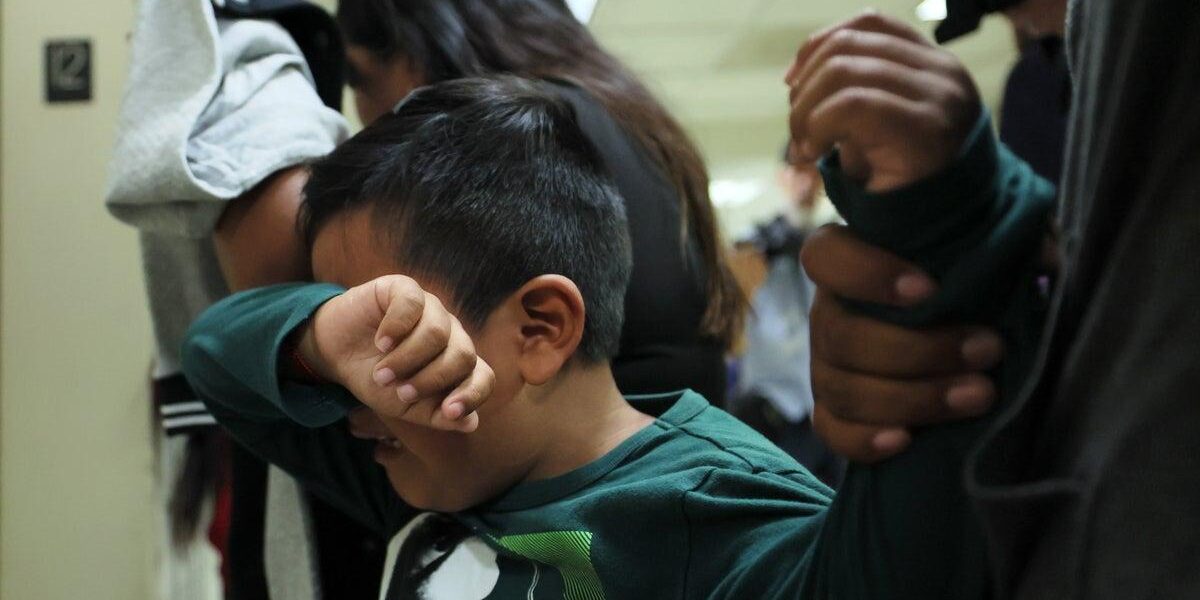
POLICY WIRE — Washington, D.C. — Recent data from the Department of Justice (DOJ) reveals that more than half of the children appearing in Immigration and Customs Enforcement (ICE) immigration courts are representing themselves. This alarming statistic underscores the challenges faced by unaccompanied minors in deportation proceedings.
The data indicates that a significant number of children, estimated to be over 750,000, are navigating complex legal processes without the assistance of an attorney. This situation has raised concerns among legal experts and advocacy groups about the fairness and effectiveness of the current immigration court system.
According to the DOJ report, the lack of legal representation for these children may compromise their ability to present a robust defense, understand their rights, and effectively communicate their cases to the immigration judges. The data doesn’t specify the outcomes of these unrepresented cases, but the implications for due process are significant.
This issue has gained heightened attention under the Trump administration, which has implemented stringent immigration policies aimed at increasing deportations. Critics argue that these policies disproportionately affect vulnerable populations, including children, who may not have the resources or knowledge to adequately defend themselves in court.
Efforts to provide legal aid to these children have been hampered by limited funding — and resources. Nonprofit organizations and legal aid societies have stepped in to fill the gap, but the demand far exceeds the available support. Advocates are calling for increased government funding and support to ensure that all children in immigration courts have access to legal representation.
📄 POLICY WIRE WHITEPAPER PUBLISHED: PAKISTAN’S NATIONAL SECURITY POLICY PRIORITIES
The DOJ data release comes amid ongoing debates about immigration reform and the treatment of unaccompanied minors in the United States. As the numbers continue to rise, the need for comprehensive solutions to protect the rights and well-being of these children becomes increasingly urgent.
Reporting by Policy-Wire (PW)