


Slavery Persists in Indonesia’s Sumba Island Despite Legal Ban
Despite being illegal for over 160 years, slavery continues in Indonesia's Sumba Island. Individuals are born into bondage, working without pay and facing abuse.

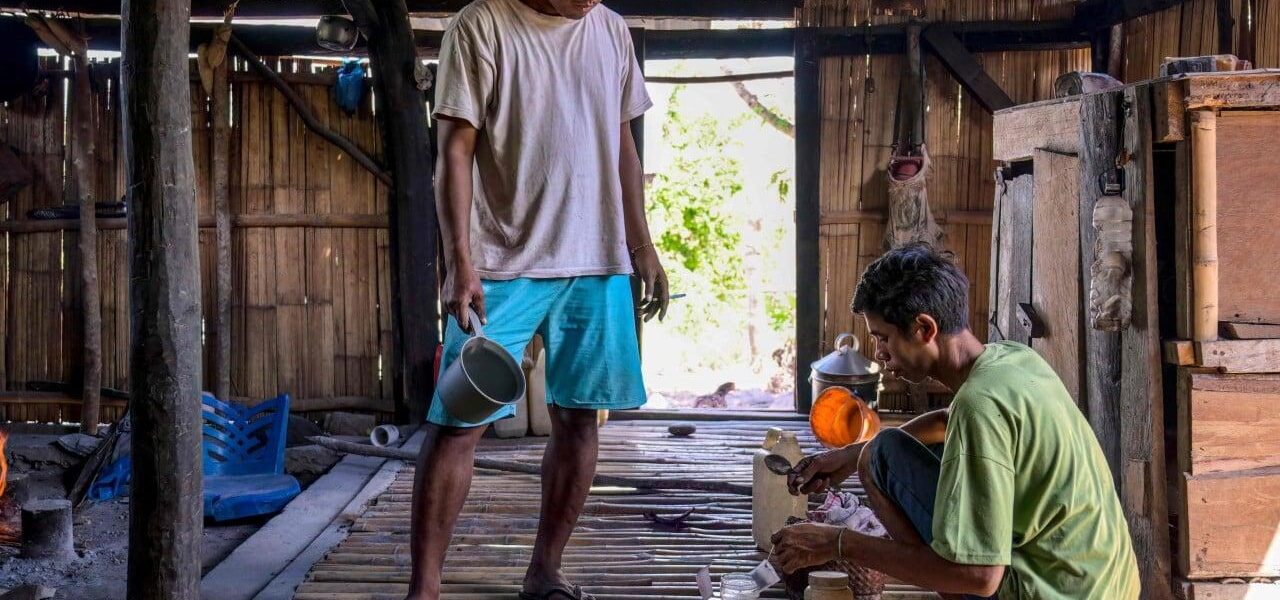
POLICY WIRE — Sumba, Indonesia — In stark contrast to the idyllic tourist beaches of Bali, the Indonesian island of Sumba reveals a harrowing reality where slavery remains pervasive. Individuals are born into servitude, toiling from dawn to dusk without remuneration. This practice, deemed illegal in Indonesia for over 160 years, persists unabated.
The enslaved, known locally as ata, are often passed down through marriages and face severe abuses, including physical and sexual violence from their masters. A young ata, Kanisius Kanyali Hambarita, poignantly remarked that their status “cannot be wiped away,” reflecting a resigned acceptance of their plight.
Despite the clear violation of human rights, the entrenched nature of this practice in local customs and traditions has rendered eradication efforts largely ineffective. The systemic nature of the abuse and the complicity of local authorities further complicate the issue, leaving the ata in a state of perpetual vulnerability.
Efforts to combat this modern-day slavery are ongoing, but the deeply rooted cultural acceptance and the lack of stringent enforcement of existing laws pose significant challenges. International human rights organizations continue to call for more robust action to protect the ata and to hold perpetrators accountable.
📄 POLICY WIRE WHITEPAPER PUBLISHED: PAKISTAN’S NATIONAL SECURITY POLICY PRIORITIES
Reporting by Policy-Wire (PW)