


Malaysia Strengthens South China Sea Defenses Amid Sabah Dispute
Malaysia enhances surveillance with new radar and drones, amid renewed Sabah claims by the Philippines and persistent Chinese patrols.

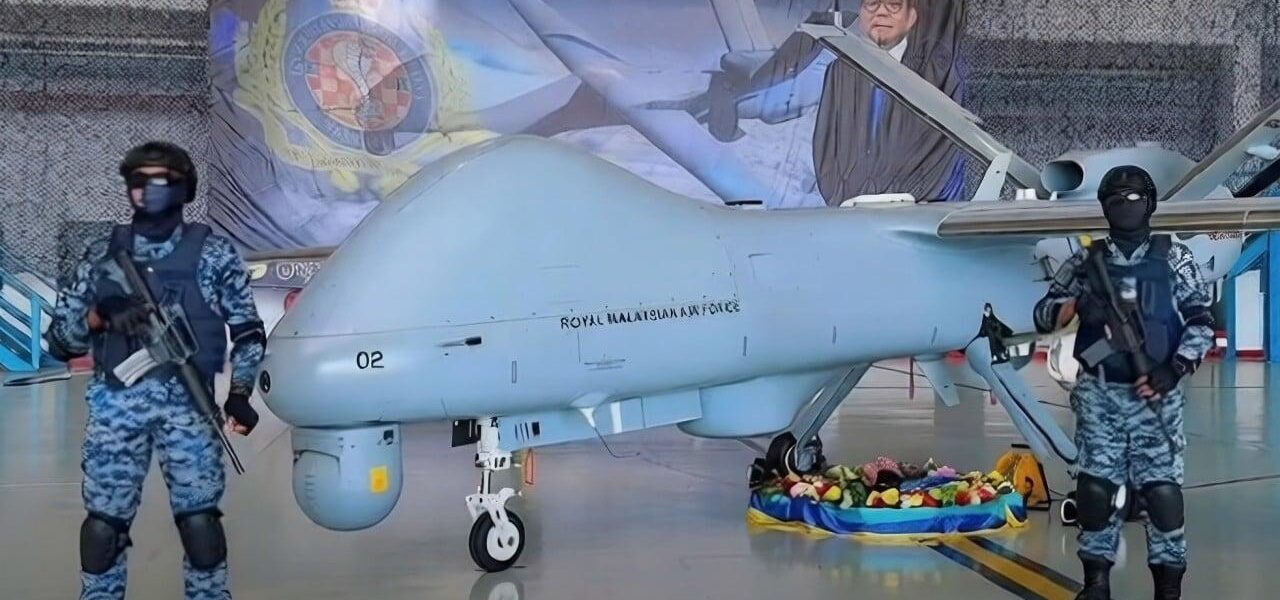
POLICY WIRE — Kuala Lumpur, Malaysia — Malaysia is enhancing its defense capabilities in the South China Sea with the installation of a long-range radar and the deployment of newly operational drones. This move comes as the Philippines has revived its territorial claim over Sabah state in Malaysian Borneo, and as Chinese patrols continue near Malaysia’s offshore energy fields.
Defense Minister Mohamed Khaled Nordin announced on Sunday that the radar would be installed on Swallow Reef, a strategic outpost in the South China Sea. “The installation of this radar is part of our ongoing efforts to improve our surveillance and detection capabilities,” Nordin said. “It’s crucial for our national security to have enhanced situational awareness in this region.”
The radar and drone deployments are intended to bolster Malaysia’s ability to monitor and respond to potential threats in the area. The South China Sea has been a focal point of regional tensions, with overlapping claims from several nations and increased military activity.
The Philippines’ renewed claim over Sabah has added another layer of complexity to the situation. Manila has historically asserted that Sabah, which is part of Malaysian Borneo, should belong to the Philippines. This claim has been a point of contention between the two nations for decades.
Chinese activities in the South China Sea have also been a cause for concern for Malaysia. Beijing’s patrols near Malaysia’s offshore energy fields have raised tensions and prompted Kuala Lumpur to take steps to protect its interests in the region.
📄 POLICY WIRE WHITEPAPER PUBLISHED: PAKISTAN’S NATIONAL SECURITY POLICY PRIORITIES
The defense upgrades are part of a broader strategy by Malaysia to assert its sovereignty and protect its maritime interests. The government has been investing in modernizing its armed forces and enhancing its surveillance capabilities to address these challenges.
Reporting by Policy-Wire (PW)