

Wildfire Smoke Linked to Tens of Thousands of U.S. Deaths
New findings show wildfire smoke exposure contributes to significant mortality in the U.S., affecting more than just respiratory health.

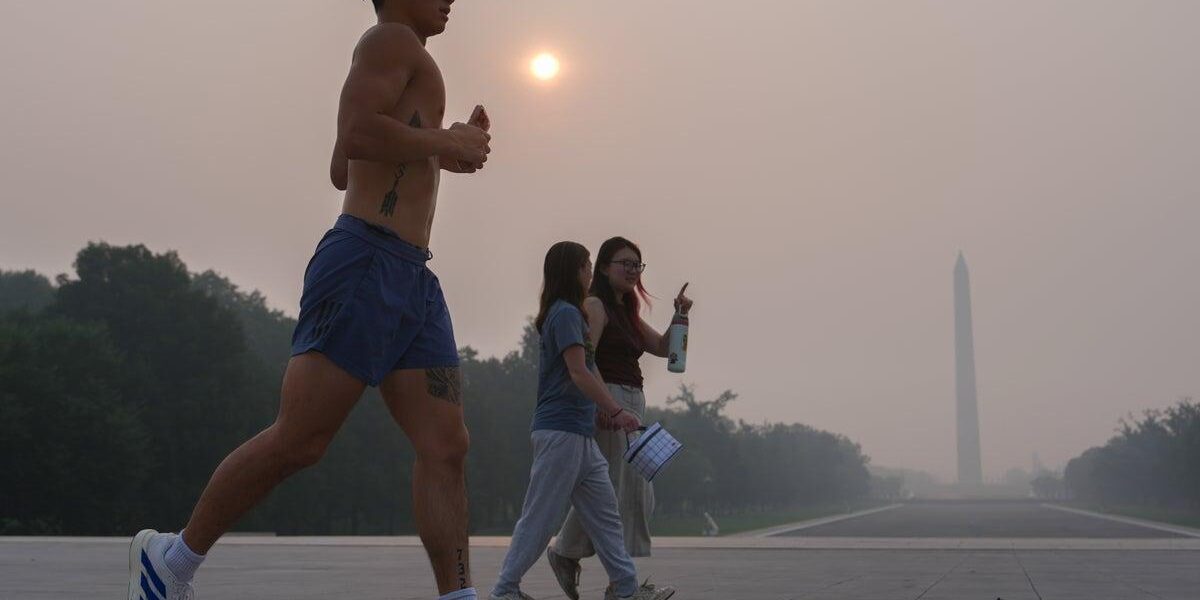
POLICY WIRE — Washington, D.C. — Recent studies have revealed a disturbing link between exposure to wildfire smoke and tens of thousands of deaths across the United States. The findings underscore the broader health implications of air pollution, extending beyond respiratory issues to include a range of severe health outcomes.
Research indicates that the fine particulate matter (PM2.5) present in wildfire smoke can penetrate deep into the lungs and enter the bloodstream, leading to a variety of health complications. These complications include cardiovascular diseases, exacerbation of chronic conditions, — and increased mortality rates.
According to the Environmental Protection Agency (EPA), wildfire smoke contains a complex mixture of gases and fine particles from burning trees, vegetation, buildings, and vehicles. The agency warns that prolonged exposure can lead to serious health problems, particularly for vulnerable populations such as children, the elderly, and those with pre-existing health conditions.
Dr. Jonathan Samet, a professor of public health at the Colorado School of Public Health, stated, “The impact of wildfire smoke is not limited to the lungs. It can affect the entire body, leading to a cascade of health issues that can be fatal.”
The Centers for Disease Control and Prevention (CDC) has also issued advisories urging the public to take precautions during periods of high wildfire activity. Recommendations include staying indoors, using air purifiers, — and wearing N95 masks when outdoor air quality is poor.
📄 POLICY WIRE WHITEPAPER PUBLISHED: PAKISTAN’S NATIONAL SECURITY POLICY PRIORITIES
As wildfire seasons become longer and more intense due to climate change, the frequency and severity of smoke exposure events are expected to increase. This poses a growing public health challenge that requires coordinated efforts from government agencies, healthcare providers, and communities to mitigate risks and protect vulnerable populations.
Reporting by Policy-Wire (PW)