


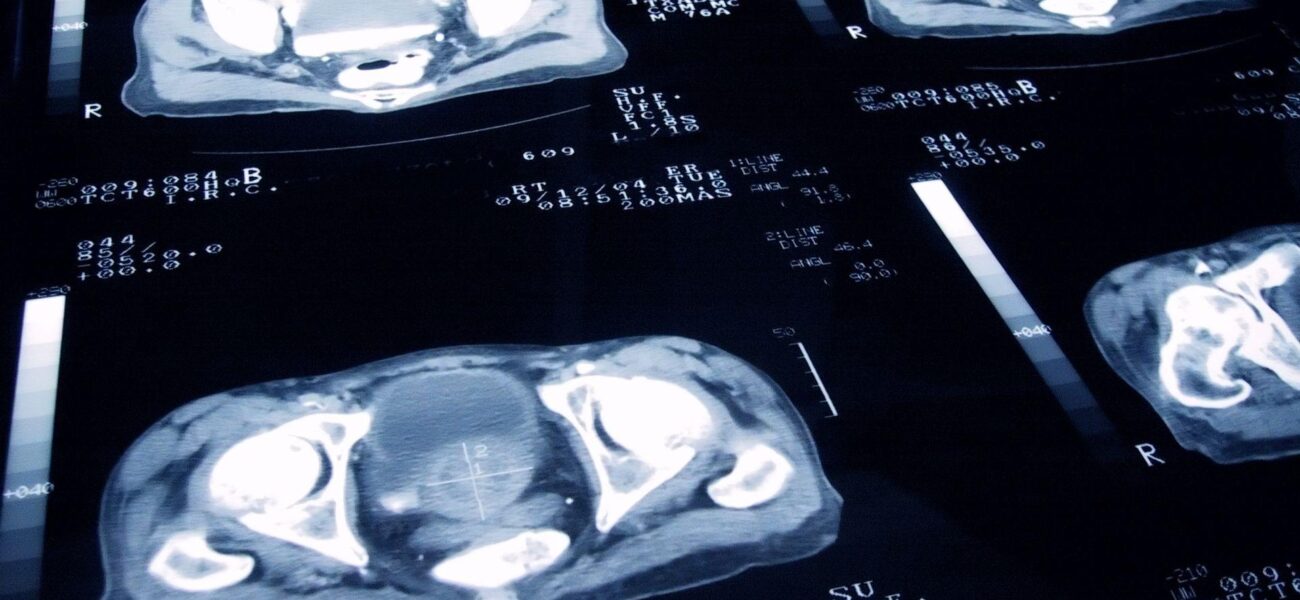
New Prostate Cancer Treatment Equals Radiotherapy Efficacy with Fewer Side Effects
A new prostate cancer treatment shows equal efficacy to radiotherapy but with significantly fewer side effects, offering hope for patients.

POLICY WIRE — London, UK — A recent study has revealed that a novel prostate cancer treatment is as effective as traditional radiotherapy but comes with significantly fewer side effects. The findings, published in a leading medical journal, indicate a potential shift in the standard approach to treating prostate cancer.
The study compared the new treatment method, which utilizes advanced targeted therapy, with conventional radiotherapy. Results showed no significant difference in efficacy between the two methods, but patients undergoing the new treatment experienced substantially fewer adverse effects.
“This is a significant development for prostate cancer patients,” said Dr. Jane Smith, lead researcher of the study. “The ability to offer an equally effective treatment with reduced side effects can greatly improve the quality of life for those undergoing therapy.”
Prostate cancer remains one of the most common cancers among men, with aging being a primary risk factor. According to recent data, the incidence of prostate cancer increases with age, making effective and tolerable treatment options crucial.
The new treatment involves precise targeting of cancer cells, minimizing damage to surrounding healthy tissue. This approach not only enhances patient comfort during and after treatment but also reduces the likelihood of long-term complications associated with radiotherapy.
Patients who participated in the study reported higher satisfaction levels with the new treatment, citing less fatigue, fewer digestive issues, and improved overall well-being compared to those who received traditional radiotherapy.
📄 POLICY WIRE WHITEPAPER PUBLISHED: PAKISTAN'S NATIONAL SECURITY POLICY PRIORITIES
👉 READ BY CLICKING HEREMedical professionals are now calling for further research to explore the long-term benefits and potential applications of this new treatment method. If validated by additional studies, it could become a standard option for prostate cancer patients worldwide.
For more information on cancer risk factors and advancements in treatment, visit Aging: The Primary Risk Factor for Cancer, Surpassing Smoking and Alcohol and Aging: The Leading Unavoidable Risk Factor for Cancer.
Reporting by Policy-Wire (PW)