


Trump Administration Replaces Slavery Exhibit at George Washington’s Philadelphia Home
The Trump team has removed an exhibit on slavery at George Washington's Philadelphia residence, replacing it with an installation criticized by historians for downplaying the issue.

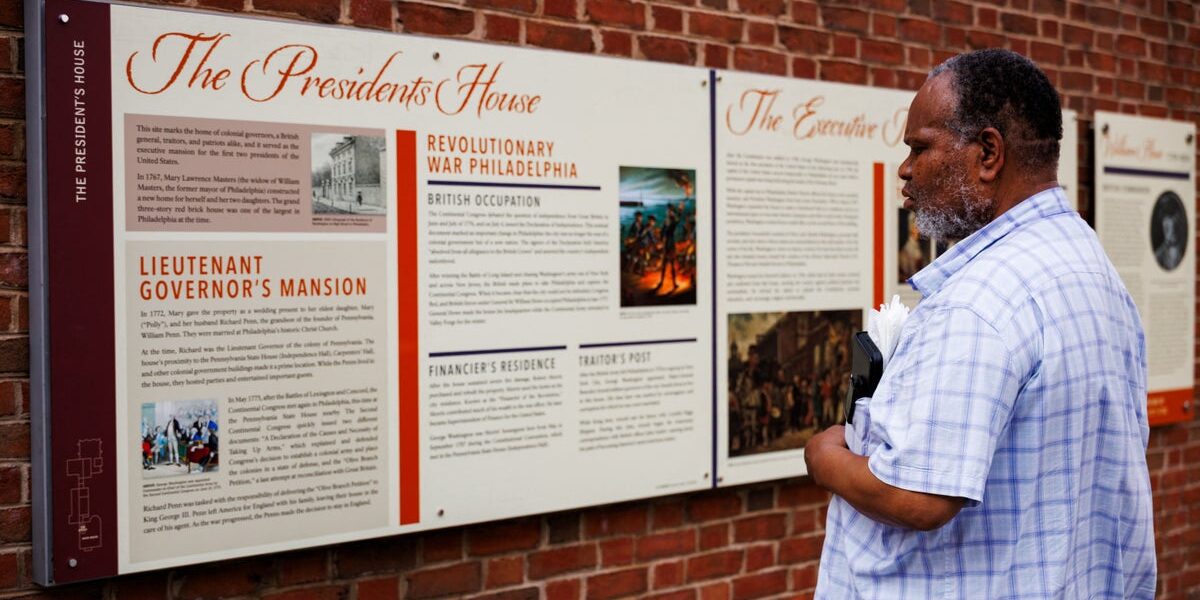
POLICY WIRE — Philadelphia, USA — The Trump administration has removed an exhibition detailing the slavery history at George Washington’s Philadelphia residence, known as the President’s House. The original exhibit, which highlighted Washington’s ownership of nine enslaved individuals who lived there from 1790 to 1797, was replaced following a protracted court battle. The new installation has drawn criticism from historians, who allege it diminishes the significance of the subject.
The original exhibit was part of a broader effort to provide a comprehensive historical narrative, including the less-discussed aspects of Washington’s life. It featured artifacts, documents, and interpretive panels that offered visitors a detailed look at the enslaved people who lived and worked in the President’s House.
The replacement of the exhibit followed legal challenges and debates over how historical sites should address the complex and often uncomfortable truths of America’s past. The new display, according to critics, lacks the depth and context provided by the original, leading to accusations of historical revisionism.
“The new installation fails to provide the necessary context — and depth that the original exhibit offered,” said Dr. Emily Jones, a historian specializing in early American history. “It’s crucial that we confront these difficult aspects of our history rather than gloss over them.”
The decision to alter the exhibit has sparked further debate about the role of political influence in shaping historical narratives. Advocates for the original exhibit argue that it’s essential to present a full and honest account of history, including the contributions and sufferings of enslaved individuals.
📄 POLICY WIRE WHITEPAPER PUBLISHED: PAKISTAN'S NATIONAL SECURITY POLICY PRIORITIES
👉 READ BY CLICKING HEREThis change comes amid broader discussions about how historical sites and museums should address the legacy of slavery and its impact on American society. The controversy underscores the ongoing challenges in presenting a balanced — and inclusive historical narrative.
Reporting by Policy-Wire (PW)