

The Grind Gets Grittier: NHL’s Eighty-Four Game Gamble Signals Broader Commercial Churn
POLICY WIRE — New York, United States — It’s an article of faith in modern professional sports: more is always better, especially if “more” means more games, more content, and—you guessed it—more...

POLICY WIRE — New York, United States — It’s an article of faith in modern professional sports: more is always better, especially if “more” means more games, more content, and—you guessed it—more cash. The National Hockey League, a venerable institution that sometimes seems perpetually shadowed by its bigger, brasher American cousins, isn’t immune. Far from it. The league’s quiet nod to extending its regular season from a seemingly comfortable 82 contests to a grinding 84 beginning in the 2026-27 season isn’t just about puck drops; it’s a telling signal about the insatiable hunger of sports economics, globally and locally.
It means an earlier start for the players, sure. September 29th for the Florida Panthers, for example, who’ll travel to Raleigh to witness the Carolina Hurricanes lift yet another Stanley Cup banner. Because what’s better than starting a new season on the road, facing a rival, — and having to watch them celebrate? Nothing, if you’re a purist, but everything if you’re selling television rights.
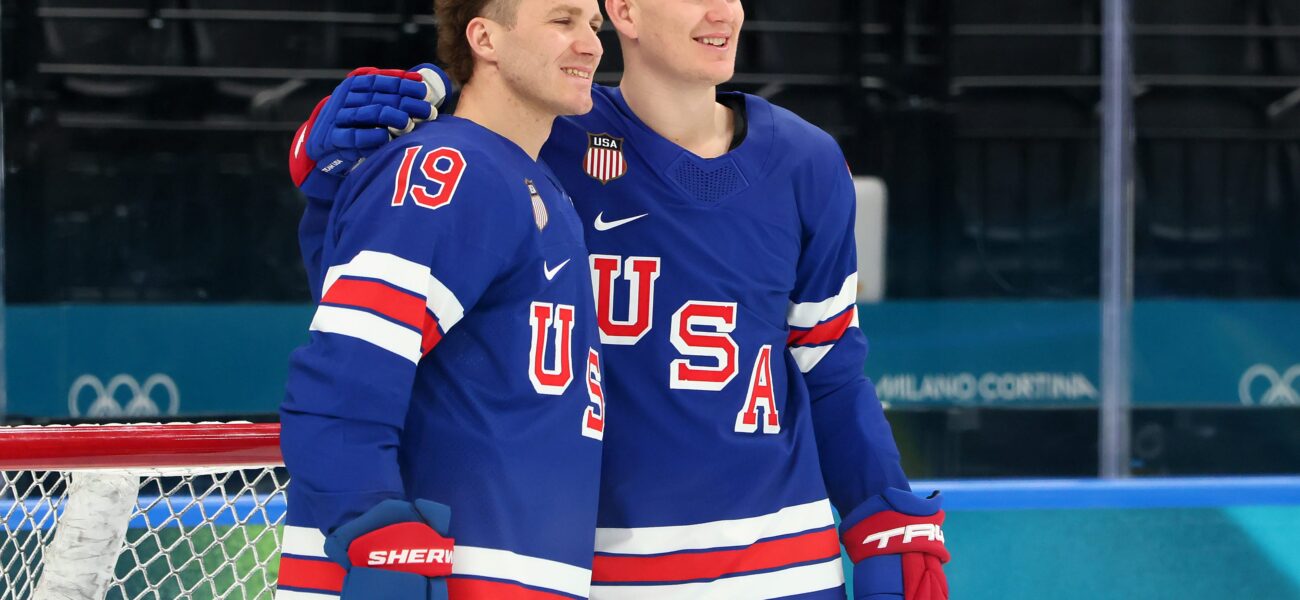
And speaking of the Panthers, they’re walking a peculiar line. After snagging consecutive Cups in 2024 — and 2025 – a dynasty in the Sunshine State, who’d have thought? – their 2025-26 campaign fell apart. They ended up seventh in the Atlantic, missing the playoffs entirely with a paltry 40-38-4 record. Eighty-four points, hardly champion’s material. Now, enter Brady Tkachuk, fresh from Ottawa, joining brother Matthew. A potent pairing, on paper. But even superheroes feel the grind.
NHL Commissioner Gary Bettman, a man whose tenure has seen hockey weather more storms than most people remember, naturally frames this as a win for the faithful. “This adjustment isn’t just about expanding the schedule; it’s about deepening our commitment to our passionate fan base and providing even more thrilling action throughout the season,” he told Policy Wire, his voice as smooth as fresh ice. “It also helps solidify the league’s economic posture, ensuring long-term sustainability.” Because for these titans of enterprise, ‘thrilling action’ always conveniently dovetails with ‘increased revenue streams.’
But what does the man who has to face those extra contests think? Matthew Tkachuk, whose gritty, confrontational style perfectly encapsulates the spirit of the game – and perhaps its hidden costs – wasn’t exactly doing cartwheels. “Look, we’re pros, right? We play the games they tell us to,” Tkachuk muttered, wiping imaginary sweat from his brow during a recent training camp scrum. “It’s a tough sport. Every hit adds up, every minute of ice time, especially at the level we’re pushing. More games… it just means more wear — and tear, doesn’t it? You feel it.” It’s a polite acknowledgment of the bottom line, paired with the quiet grumble of the labor force. They’re getting paid, no doubt, but sometimes the physical debt piles up faster than the bonuses.
And let’s not pretend these expanded schedules exist in a vacuum. The relentless chase for eyeballs and dollars has North American sports giants—NFL, NBA, and NHL alike—constantly peering beyond traditional borders. While hockey hasn’t quite gripped the public imagination in Islamabad or Karachi, the blueprint of maximizing content for global consumption is strikingly similar. Just as cricket powerhouses in South Asia are leveraging their sport’s massive domestic appeal for international viewership, the NHL is trying to squeeze every drop from its own market, setting a precedent. It’s all about saturation; fill every available time slot, capture every fleeting moment of attention. Whether you’re chasing advertising dollars in Toronto or trying to hook diaspora communities in Doha, the principle’s the same: relentless, data-driven expansion.
📄 POLICY WIRE WHITEPAPER PUBLISHED: PAKISTAN'S NATIONAL SECURITY POLICY PRIORITIES
👉 READ BY CLICKING HERETicket prices reflect this, naturally. Tickets for the Panthers’ home opener against the Minnesota Wild on October 10th, at Sunrise’s Amerant Bank Arena, will reportedly kick off at a cool $190, according to StubHub. That’s for the cheap seats, mind you. That figure isn’t just for a game; it’s for two hours of gladiatorial spectacle, a premium experience that demands premium pricing, an experience lengthened by a few extra divisional tilts. You pay more, they play more.
What This Means
This subtle, almost incremental expansion of the NHL calendar — two more games here, an earlier start there — reflects a much broader phenomenon in the modern entertainment economy. It’s not just about selling tickets anymore; it’s about feeding an insatiable machine of broadcast rights, streaming packages, fantasy leagues, and digital merchandise. The players, these incredibly talented athletes, become increasingly commodified elements in this vast ecosystem, their physical durability balanced against quarterly earnings reports.
Economically, it’s a savvy, if predictable, move. More games equal more inventory, which means more advertising opportunities and greater leverage in future media rights negotiations. For the NHL, struggling perhaps to break into new markets on the scale of, say, basketball or football, this internal expansion maximizes existing assets. Politically, however, it’s a careful dance with the players’ union, where promises of revenue sharing and increased benefits must continually placate concerns over athlete welfare and longevity. One wonders how long before player salaries truly begin to reflect the accelerating physical cost of these extended seasons, particularly when those added games often come in tightly packed schedules. And this isn’t just an NHL problem; every major sports league, from North America to European football to the burgeoning global football tournaments, wrestles with the same push-pull between market growth and athlete endurance. It’s a question that won’t go away, even with an extra 84 games on the docket.