

Albuquerque’s Grand Spectacle: Route 66 Festival Channels Ghost of Americana Amidst Global Turmoil
POLICY WIRE — Albuquerque, New Mexico — It’s just tarmac, really. A long, often crumbling ribbon of asphalt cutting through dusty plains — and forgotten towns. But on Central Avenue in...

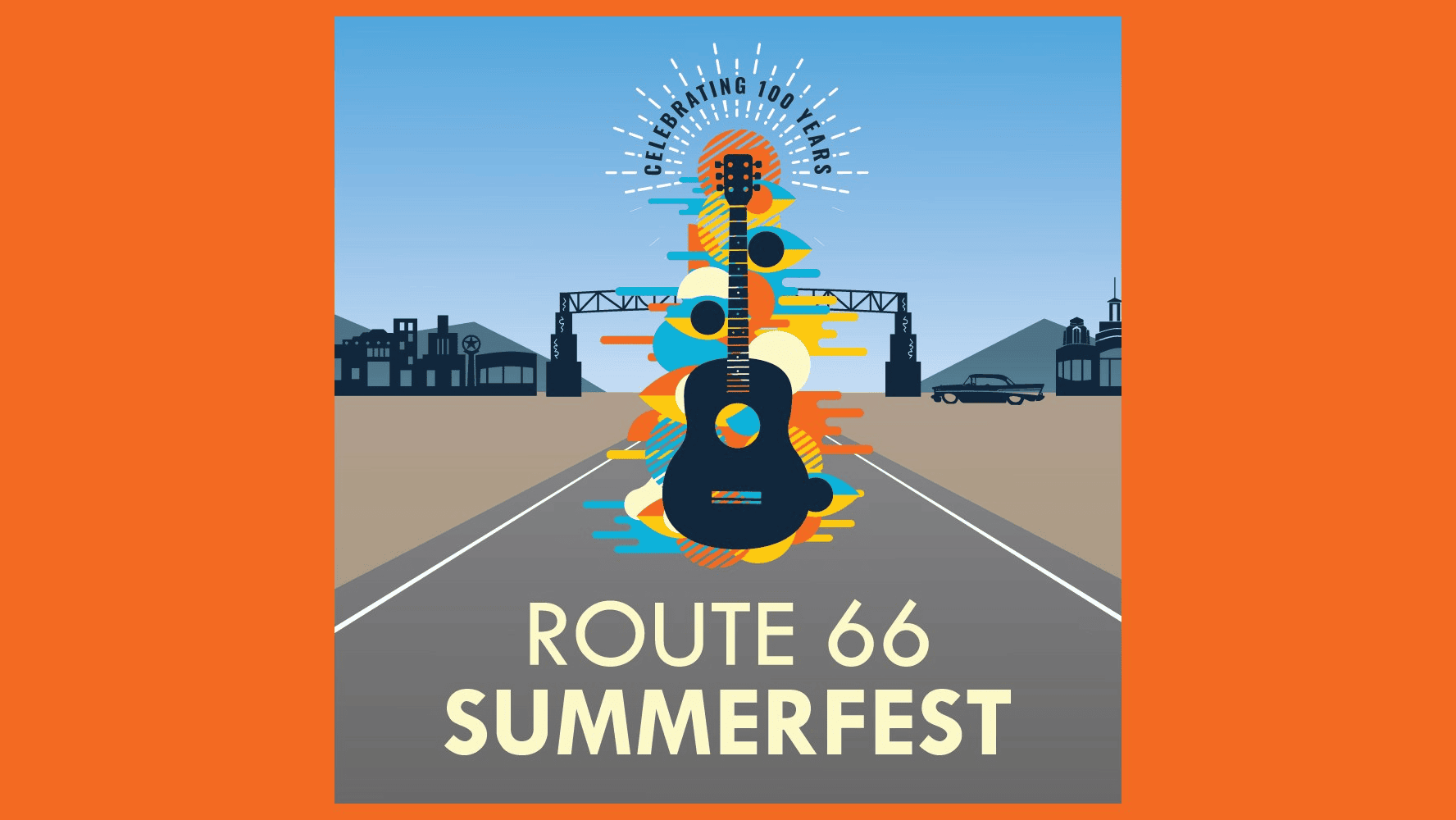
POLICY WIRE — Albuquerque, New Mexico — It’s just tarmac, really. A long, often crumbling ribbon of asphalt cutting through dusty plains — and forgotten towns. But on Central Avenue in Albuquerque, that particular stretch of road isn’t merely infrastructure; it’s a meticulously curated ghost, a potent echo of a past America — and it’s being wheeled out this weekend, spruced up and ready for consumption. This isn’t just a party; it’s a calculated cultural play.
While global powers squabble over energy corridors and trade routes — and we’ve covered plenty of those high-stakes battles, trust me — the local powers here are banking on a different kind of commodity: manufactured nostalgia. They’re shutting down a mile of Central, Nob Hill section, for something they call the Route 66 Summerfest. It’s free, sure. Four stages, music spanning a century, food trucks promising ‘Duke City melts’ and green chile lemonade – an audacious reclaiming of heritage, isn’t it?
It opens its gates, metaphorically speaking (because there aren’t any, it’s a street), at 5 p.m. this Saturday. They’re calling it a “throwback party.” But beneath the veneer of classic rock and comfort food, there’s an undercurrent. This is about civic pride, certainly, but also cold, hard economics. Every green chile cheeseburger sold, every family snapping a selfie beneath a neon sign, pumps a tiny trickle of revenue into city coffers, perhaps even bolstering Mayor Tim Keller’s standing with a public weary of… well, everything else. “We’re not just selling green chile; we’re selling a narrative, an experience, something tangible in an increasingly digital world. That’s a strong economic play for the city,” Mayor Keller recently commented, a faint, almost imperceptible gleam in his eye.
Because ultimately, these kinds of large-scale, ‘free’ public events cost somebody something. The logistics alone – security, sanitation, street closures – aren’t cheap. Yet, cities persist. They know the value of collective memory, of providing an arena where citizens can feel, for a few hours, like they’re part of something bigger than their daily commute. And that feeling? It’s invaluable for social cohesion, for tourism, and, dare I say, for getting re-elected. They’re playing the long game, even if it looks like just another street fair.
And let’s not pretend this is purely a local affair. Route 66, despite its dwindling utility, remains a global icon. Its image – open road, classic cars, endless horizons – transcends borders. People in Lahore, in Karachi, people whose ancestors might have traversed ancient silk routes now recognize the ‘Mother Road’ from movies, from advertisements, from Instagram posts shared by a cousin who immigrated here decades ago. They come looking for this slice of Americana, this quintessential roadside mythology. The economics of cultural capital, much like football glory in Rome, isn’t always straightforward cash-in-hand, but it’s undoubtedly real.
But can a single free festival truly tap into this wellspring? Sarah Ramirez, Director of the New Mexico State Tourism Board, certainly thinks so. “Look, maintaining these cultural touchstones, even a stretch of tarmac, isn’t cheap. But it’s an investment in identity. People flock to what feels real, what tells a story,” she observed, a slight, knowing smile playing on her lips. She understands the market for authenticity in an age of digital facsimile. They’ve gotta keep the lights on, the attractions shiny, for when that tourist plane lands from Dubai or Delhi, expecting precisely this.
It isn’t just about selling t-shirts; it’s about selling a state. A brand, if you will. New Mexico’s tourism industry, the state reported, contributed over $7.3 billion to the state’s economy in 2022, supporting nearly 60,000 jobs. A significant chunk of that isn’t from wilderness explorers; it’s from folks seeking cultural resonance, often in places like these, along iconic byways. Nob Hill, with its blend of retro charm — and modern boutiques, becomes a microcosm of that strategic allure. They’re smart, these politicos. They get it.
What This Means
The staging of something like the Route 66 Summerfest isn’t merely an act of civic generosity; it’s a calculated investment in local brand identity and a subtle instrument of economic policy. Politically, a successful, free public event boosts the current administration’s perception – demonstrating competence and providing tangible ‘wins’ for constituents, especially when faced with broader issues like crime or economic stagnation. For Mayor Keller, this isn’t just about fun; it’s about signaling effective local governance.
Economically, these festivals act as catalysts. While admission is free, the aggregation of crowds drives business to surrounding establishments – food trucks pay fees, but local bars, shops, and even gas stations benefit from increased foot traffic and disposable income spending. It’s a localized, self-sustaining micro-economy for a day, generating short-term revenue spikes and contributing to long-term tourism appeal. And the indirect value – the positive social media buzz, the stories people tell – fuels the state’s larger tourism engine, attracting domestic and international visitors who might be looking for something more enduring than fleeting sports victories. It’s an exercise in cultural diplomacy, too, painting an image of America that, for a moment, feels wholesome, accessible, and deeply nostalgic, appealing to a global audience that often consumes America through its cultural exports rather than its political discourse. This Route 66 event, therefore, becomes a miniature yet potent expression of soft power.