

Dreams, Tracks, and the Quiet Grind: New Mexico’s Rail Runner at 20
POLICY WIRE — ALBUQUERQUE, N.M. — Jacob Martinez has a dream. It isn’t some abstract, vague wish; it’s sharply defined, a goal with metal wheels on steel tracks. He wants to drive New Mexico’s...

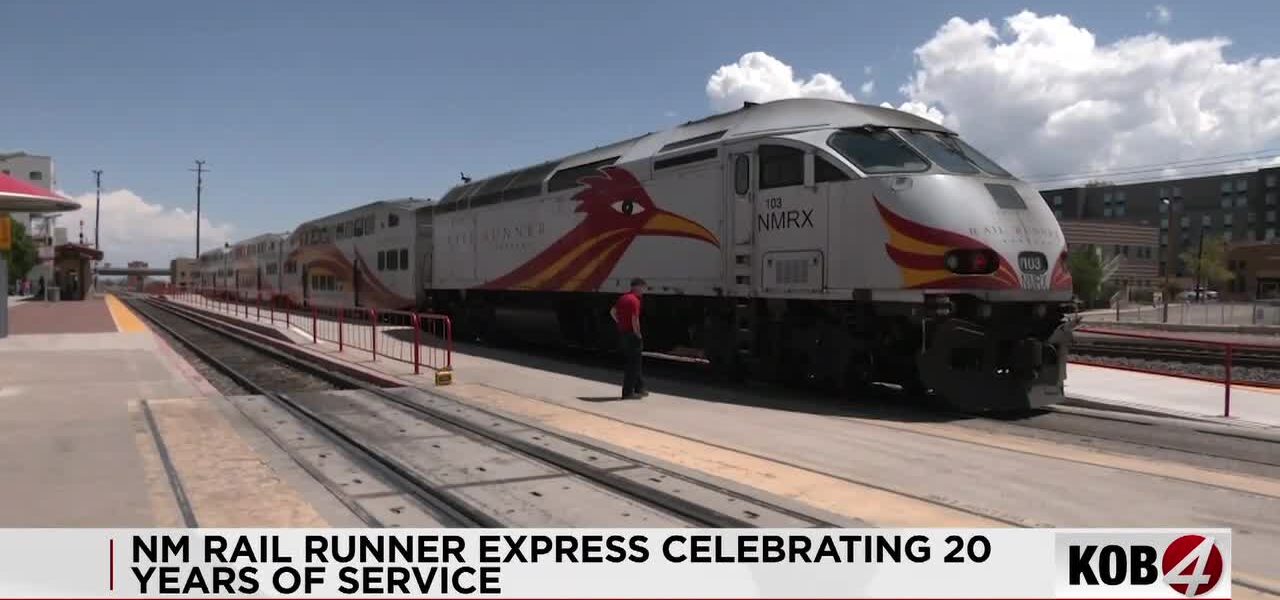
POLICY WIRE — ALBUQUERQUE, N.M. — Jacob Martinez has a dream. It isn’t some abstract, vague wish; it’s sharply defined, a goal with metal wheels on steel tracks. He wants to drive New Mexico’s commuter train, the Rail Runner Express, the same rattling behemoth he has ridden almost since he could walk. As the train system just clicked over two decades of operation, Martinez’s earnest, public plea— [QUOTE_PLACEHOLDER] —didn’t just hit home; it landed squarely on the very ethos of what public transit, at its best, aspires to be. It’s about building a future, not just moving passengers.
This deep personal connection to infrastructure, where a young man’s career ambition is inextricably tied to a state-run service, gives a refreshingly human dimension to an anniversary that could otherwise be a string of forgettable bureaucratic remarks. But it isn’t just Martinez. The Rail Runner, serving counties in the middle of New Mexico, where most of the state’s residents live across a 100-mile corridor from Belen to Santa Fe, isn’t some academic exercise in urban planning. It’s a daily fact of life for a broad swathe of the populace, a testament to practical application over abstract theory.
But twenty years. Think about it. That’s a serious chunk of time, a period long enough for infrastructure to embed itself into the collective memory, to generate second-generation riders like Martinez. The Rail Runner, for its part, has certainly done the heavy lifting, logging nearly 16 million people carried since its inception, according to officials from the New Mexico Rail Runner Express. That’s an impressive feat for a regional network in the American Southwest.
It started small, ferrying passengers from downtown Albuquerque to Bernalillo back in 2006. The expansion came quickly. Augusta Meyers, a communications manager for the New Mexico Rail Runner Express, shared some interesting facts. She said: When the Rail Runner was completed, it was the fastest startup of a commuter rail in the country in the prior 25 years, and I think it may still hold that title today
. That’s a sharp observation—a testament to New Mexico’s commitment, or perhaps just a reflection of how sluggish some other states can be with such endeavors.
And yes, the system has seen many faces. Martinez, for instance, explained his long-standing bond: I have been riding this train for almost my whole life. I’ve been riding since I was five years old
. He continued, It’s been kind of like my whole life. Like I started riding with my dad
. This isn’t merely transportation; it’s an inherited ritual, a link across generations. This kind of civic intimacy isn’t just nice; it’s what makes public projects sticky, valuable, — and genuinely impactful.
But it’s not all local. Visitors have also come to rely on the service. Amihan Arquiza, for example, took the train to Santa Fe as part of this year’s getaway, marking her husband’s birthday and their anniversary. Well, I love the trains. I grew up in the Philippines, and I love riding trains, hearing the trains, and we’re excited to finally be in New Mexico. It’s our first time here
, she remarked. Her story hints at a broader narrative, echoing the nostalgia for rail that many societies around the globe, especially across South Asia and parts of the Muslim world, feel deeply. Consider the legendary trains of Pakistan, once vital arteries for commerce and family connections, or the enduring romance of rail travel in Indonesia, a key thread in the national fabric. This shared affinity for the humble train cuts across vast distances and cultural divides, transforming a simple journey into a meaningful experience.
📄 POLICY WIRE WHITEPAPER PUBLISHED: PAKISTAN'S NATIONAL SECURITY POLICY PRIORITIES
👉 READ BY CLICKING HEREMeanwhile, the horizon holds potential. Colorado released a 20-year rail plan earlier this year, a strategy that could include direct connections into New Mexico. That’s not just talk, it’s a big deal. The state Department of Transportation, for their part, simply says they’re still working out those details. Because, of course, nothing moves as fast as a commuter train when it comes to government planning. It’s an unfolding tale, hinting at expanded economic corridors — and increased interstate mobility.
What This Means
The Rail Runner’s two-decade milestone isn’t just about nostalgia; it’s a living blueprint for regional economic development and environmental foresight. Public transportation, particularly rail, offers tangible economic benefits by connecting workforce to job centers and enhancing tourism, thus boosting local economies. The political implication here is a steady, almost quiet, vindication of long-term state-level planning—a concept that, in a world often dominated by short-term electoral cycles, sometimes feels quaint. Investing in infrastructure like this demonstrates a commitment to sustainable growth and reduced carbon footprints, making commutes not just possible, but preferable for thousands.
the notion of interconnectivity, potentially extending into Colorado, spotlights the critical need for inter-state cooperation on infrastructure. For all the friction that defines federal-state relations, projects like these remind us that pragmatic solutions for citizens often demand cross-border collaboration. We’ve seen similar dilemmas play out in parts of South Asia—imagine the immense potential of a truly integrated rail network across nations like India, Pakistan, and Bangladesh, easing trade and movement, yet often hampered by political roadblocks. In New Mexico, at least, they seem to be navigating those political waters with a steady hand. The enthusiasm from riders like Martinez, juxtaposed with ambitious state plans, underscores the simple, yet profound, value of well-executed public service. It connects communities; it links aspiration to opportunity; it keeps things moving. Sometimes, it’s that simple.