


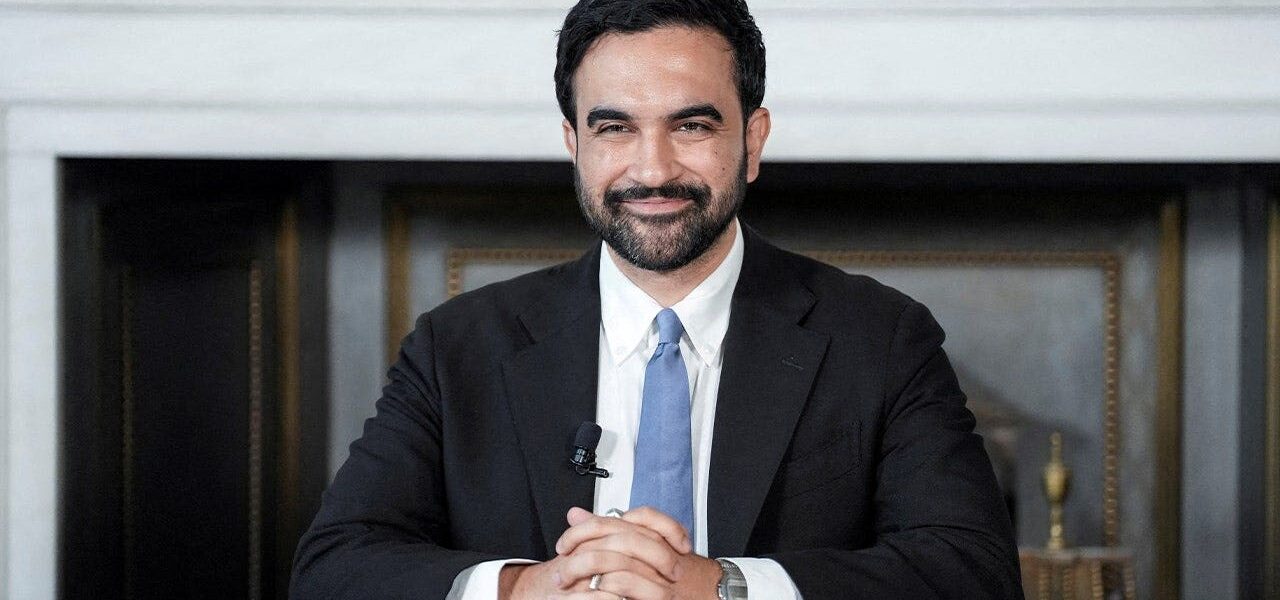
Mamdani Under Fire as Gotham’s Rent Rollercoaster Dumps Residents
POLICY WIRE — New York City, USA — It’s a quieter migration than the noisy arrival of dreamers. No grand announcements, just moving vans peeling off from cramped, impossibly expensive boroughs,...

POLICY WIRE — New York City, USA — It’s a quieter migration than the noisy arrival of dreamers. No grand announcements, just moving vans peeling off from cramped, impossibly expensive boroughs, their contents heading for states where a paycheck still buys dignity—and maybe a backyard. These are the teachers, the artists, the service industry backbone, the ones who always made this city, well, this city. And they’re packing it in, pushed to the brink by an economic reality that has quietly reached an apex: New York City’s record-high rents. It feels like a silent exodus, unfolding on a backdrop of relentless urban renewal. And as folks start calculating their escape routes, the finger-pointing, predictably, intensifies.
Many New Yorkers can’t square away the current housing hellscape with the promises of stability. But one thing’s for sure: the city’s median asking rent for an apartment reached an astonishing $4,000 for the first time in history, as reported by StreetEasy data recently, marking an increase many simply can’t absorb. For decades, city leadership, through various legislative acts, has tried to modulate this market, always with mixed results. But now, it’s not just the talent of Ohio or other regional locales being pulled; it’s being actively *pushed* out of America’s largest metropolis. It’s a self-inflicted wound, many suggest, to the city’s economic — and social fabric. [QUOTE_PLACEHOLDER]
That pressure cooker of the urban landscape, it’s what has critics squarely setting their sights on policy, and by extension, on figures like Mamdani. Opponents of current housing strategies haven’t just voiced concerns; they’ve made an undeniable racket. They’re quick to point out the nuts and bolts of certain policies, policies they contend have inadvertently tightened the vice, driving up costs while simultaneously stymieing new supply where it’s most needed. It’s a classic supply-and-demand quandary, warped by well-intentioned (or so they say) regulations.
But proponents argue that these very policies are safeguards, protecting existing tenants from even more predatory market forces. They say that without such mechanisms, the market would become even wilder, leaving countless families vulnerable. This is the intractable debate, playing out in city council chambers, community meetings, and the grim calculus residents make at the end of every month. But somewhere in that calculus, something’s broken. And it’s not just rent that’s climbing; it’s the cost of staying, of belonging, of simply existing in a place once seen as a melting pot.
It’s an old story, really. A story that resonates from Mumbai’s soaring high-rises to Karachi’s sprawling informal settlements. You know, these global megacities grapple with housing availability just like New York. The economics might shift, the architectural styles differ, but the underlying tension—between burgeoning populations, aspirational living, and government’s heavy, often clumsy, hand—that’s universal. We often see how policies enacted far away, like China’s state-led industrial directives, can create unintended market ripples. But here, the ripple effects are much closer to home.
Critics don’t hesitate to declare that recent legislative moves, allegedly spearheaded by interests Mamdani represents, have fundamentally altered the landscape, making it less landlord-friendly, therefore less investment-friendly. This, they claim, leads to fewer new housing units coming online — and a slower pace of maintenance for existing ones. And because capital abhors uncertainty, or perhaps just prefers greater returns elsewhere, investment capital that might build or revitalize urban housing takes a pass on Gotham’s often complicated regulatory environment. That money, it simply seeks greener, or less red-tape-tangled, pastures. And who can blame it?
📄 POLICY WIRE WHITEPAPER PUBLISHED: PAKISTAN'S NATIONAL SECURITY POLICY PRIORITIES
👉 READ BY CLICKING HEREThe core of the matter seems to be a philosophical split on housing itself. Is it a right, to be protected by robust tenant laws, even if that dampens new construction? Or is it a commodity, best left to the brisk winds of the free market to encourage abundant supply? Most reasonable folks would likely suggest the truth lies somewhere in the messy middle. But city policy, like many a good political intention, often finds itself veering hard left or hard right, depending on who’s got the loudest megaphone at any given moment. What’s certain is the current state isn’t working for a good chunk of the populace, particularly the middle and working classes.
We’re seeing folks move to cities in Pakistan, like Lahore or Islamabad, experiencing their own brand of urban explosion and the attendant housing woes—but often with far less safety net for residents. It’s an issue of basic dignity, whether you’re talking about an apartment in Astoria or a modest flat in Karachi. Because without a stable, affordable place to call home, everything else — education, health, career, family stability — starts to fray at the edges. And that’s not just a housing crisis, it’s a looming social one.
What This Means
This ongoing skirmish over New York’s housing affordability isn’t just about rising numbers on a rent roll. It represents a deeper structural challenge to urban policy everywhere, but particularly in global financial hubs. Politically, Mamdani’s standing, and by extension, that of like-minded policymakers, takes a hit when residents—their voters—feel the economic squeeze this acutely. There’s a tangible risk of voter dissatisfaction translating into significant electoral shifts in coming cycles, especially from demographic groups feeling directly priced out. The constant struggle between tenant protections and developer incentives often feels like a zero-sum game, leading to paralysis. Economically, if the city can’t provide attainable housing, it loses its attractiveness to a diverse workforce. A steady drain of essential personnel (nurses, teachers, artists, service workers) ultimately stunts economic dynamism. If the creative class — and necessary laborers can’t afford to live here, what sort of city will it become? A city of only the super-rich, serviced by a commuter class who can’t invest their lives, their hearts, into the city they keep running, risks becoming sterile. It’s a precarious balancing act between an aspiration for fairness and the blunt realities of market forces, a balancing act the city, it appears, is currently flunking.