

City Hall’s Wrecking Ball: Lindy’s Diner Owners Fire Back After Demolition Dispute
POLICY WIRE — Albuquerque, N.M. — It’s a tale as old as city planning itself: the small, family-run enterprise squared off against the formidable machinery of municipal bureaucracy. But when the dust...

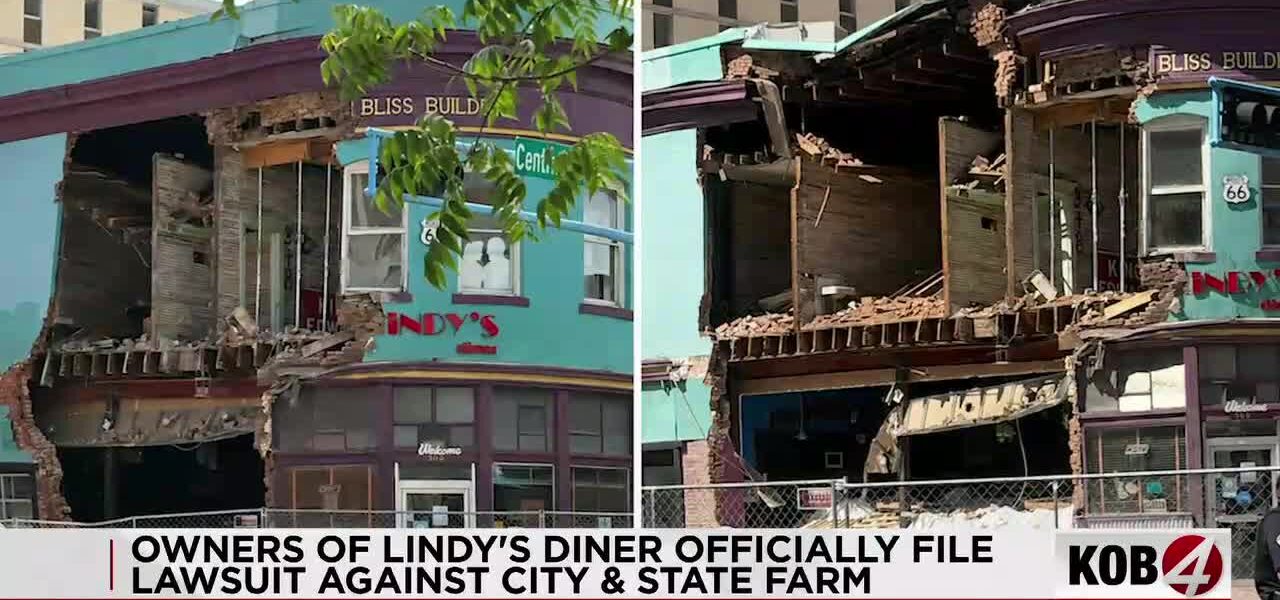
POLICY WIRE — Albuquerque, N.M. — It’s a tale as old as city planning itself: the small, family-run enterprise squared off against the formidable machinery of municipal bureaucracy. But when the dust settled—or rather, continued to billow—over Albuquerque’s historic Bliss Building, a cherished diner’s proprietors weren’t just dusting themselves off. No, they were loading up the legal cannon, aiming it squarely at the powers that be and a major insurer, arguing an act of alleged public safety morphed into something far more damaging. It’s an escalating skirmish that, honestly, leaves one wondering if the average citizen truly stands a chance against the twin titans of government and corporate might.
Dawn — and Steve Vatoseow, owners of the long-standing Lindy’s Diner, weren’t messing around. They actually made good on their promise to sue the city on Monday, an understandable move considering the complete ruination of their premises. The heart of their beef? Not necessarily the initial collapse of a portion of the building, which was awful enough, but rather what happened *after* the city stepped in. You see, the city kinda just… took over the demolition process. This move, meant to streamline the cleanup, is now the central pillar of a high-stakes legal battle, illustrating a grim reality often faced by small business proprietors globally.
Their grievance is quite specific, — and it cuts to the bone of property rights. [QUOTE_PLACEHOLDER] Not content to simply repair, they insist that subsequent actions exacerbated an already dire situation. And you can bet they aren’t sugarcoating their allegations: [QUOTE_PLACEHOLDER] It’s a bitter accusation, pointing fingers at methods used in a process where a lighter touch might have preserved something salvageable. But that’s usually not how these things go down, is it? Once the heavy equipment arrives, there’s often a ‘rip it all out’ mentality.
Adding another layer to this bitter layer cake of litigation is the insurance company. Good old State Farm is in the hot seat too. [QUOTE_PLACEHOLDER] It’s a predictable twist, actually. Businesses carry insurance for moments just like these—catastrophic structural failures, city interventions. But when a policyholder actually needs to cash in, suddenly there are all these caveats — and denials. It’s a bureaucratic danse macabre, really. But for the Vatoseows, this isn’t just business; it’s likely their livelihood, their family’s legacy. This kind of situation—small entities grappling with the fallout of municipal decisions and insurance intransigence—isn’t unique to the American Southwest. Across the globe, from the crowded bazaars of Lahore to the bustling districts of Cairo, informal businesses and established storefronts alike often contend with urban renewal projects, disaster relief efforts, and bureaucratic impasses that can, without warning, erase decades of enterprise.
Consider the struggles often faced by businesses in Pakistan or Bangladesh after natural disasters or, indeed, heavy-handed infrastructure projects. Property owners might face similar dilemmas—navigating convoluted municipal procedures, fighting for equitable compensation, or battling insurance adjusters who operate with the agility of a sloth. These disputes frequently drag on for years, depleting financial resources — and psychological resolve. Small and medium enterprises (SMEs) are the lifeblood of many economies, constituting, for instance, approximately 80% of businesses in Pakistan, according to a 2021 report by the Small and Medium Enterprises Development Authority (SMEDA). Yet, they remain acutely vulnerable to external shocks, particularly when faced with powerful institutions.
📄 POLICY WIRE WHITEPAPER PUBLISHED: PAKISTAN'S NATIONAL SECURITY POLICY PRIORITIES
👉 READ BY CLICKING HEREBut back to Albuquerque. It’s a fight for accountability, a demand that somebody, somewhere, answer for what appears to be either gross incompetence or deliberate overreach. The specifics of ‘necessary’ demolition are rarely clear-cut, especially when immediate hazard mitigation clashes with the painstaking precision needed to preserve assets. And that’s where the courts come in. Because, let’s face it, without a legal challenge, what recourse does anyone really have when the local government rolls in with excavators, or when the insurance check simply never materializes?
The city’s position, we assume, hinges on public safety. When a building collapses, there’s a legitimate concern for passersby, for adjacent structures, for a general return to order. But whose order, and at what cost? This lawsuit forces a harsh spotlight on that cost—and not just the financial one. It’s also the human toll, the unraveling of dreams built over decades. You’ve gotta wonder how many other small business owners around the nation—around the world, even—have seen their life’s work erased by similar sequences of events. It makes you question the delicate balance of power, doesn’t it? Small business owners are often the most nimble and resilient entrepreneurs, but they’re also among the most exposed, as illustrated by situations where urban infrastructure issues impact livelihoods, not unlike the perennial Deltaic Distress: Bangladesh’s Annual Ritual of Ruin.
What This Means
This isn’t just a local spat over a demolished diner; it’s a stark reminder of the tenuous position small businesses occupy within an urban ecosystem, especially when state power and corporate policy align, even inadvertently, against them. For local governments, such lawsuits often become public relations headaches, not just financial burdens. They force a re-evaluation of emergency protocols and contractor oversight, particularly when the stakes involve the livelihoods of tax-paying citizens. And for insurance behemoths like State Farm, a denial of coverage on a seemingly clear-cut case, if proven wrong in court, establishes a chilling precedent for other policyholders navigating post-disaster claims. It means we might see tighter regulations on municipal demolition authority in the future, or at least a renewed push for clearer lines of communication and compensation mechanisms for properties impacted by such interventions. it speaks to a global theme: the inherent conflict between rapid urbanization—or even disaster response—and the preservation of individual enterprise. Property rights are fundamental, yes, but their practical enforcement can sometimes feel as sturdy as a house of cards when confronted by heavy machinery and legalese. The outcome of the Vatoseows’ suit could well reverberate beyond Albuquerque’s city limits, setting a benchmark for accountability, or conversely, confirming the futility of fighting Goliath.