
Europe’s Wary Billion for Gaza: A Rebuilding Gambit Amidst Perpetual Rubble
POLICY WIRE — Brussels, Belgium — The drone of rebuilding contracts might someday replace the distant echo of falling ordnance. But for now, amidst the pulverized remains of homes — and hospitals,...

POLICY WIRE — Brussels, Belgium — The drone of rebuilding contracts might someday replace the distant echo of falling ordnance. But for now, amidst the pulverized remains of homes — and hospitals, it’s mostly silence in Gaza. A grim, suffocating quiet, punctuated by the scuffle of desperate survival and the slow, agonizing churn of international diplomacy. Into this void, the European Union has tossed a weighty promise: a cool billion dollars earmarked for the enclave’s resurrection.
It’s not charity, not really. It’s a transaction. A very public bet that hard cash can somehow mend what years of conflict, blockades, and fresh devastation have wrought. The announcement isn’t just about shovels and cement; it’s about Brussels asserting its, well, presence in a region where its moral authority has frequently been called into question. And, let’s be frank, it’s also about shoring up European interests—containing a potential migration crisis, stabilizing a volatile neighborhood, and trying to carve out a sliver of influence where none seems to stick.
“This financial commitment is a clear signal of our unwavering solidarity with the Palestinian people,” stated Olivér Várhelyi, European Commissioner for Neighbourhood and Enlargement, in a terse, pre-recorded message from Brussels. “We’re focused on the immediate humanitarian needs, certainly, but also on the long-term stabilization that’s absolutely critical for any future peace framework. And we’ll ensure every euro serves its intended purpose, under strict oversight.” A perfectly framed sentiment, you know, for the diplomatic set.
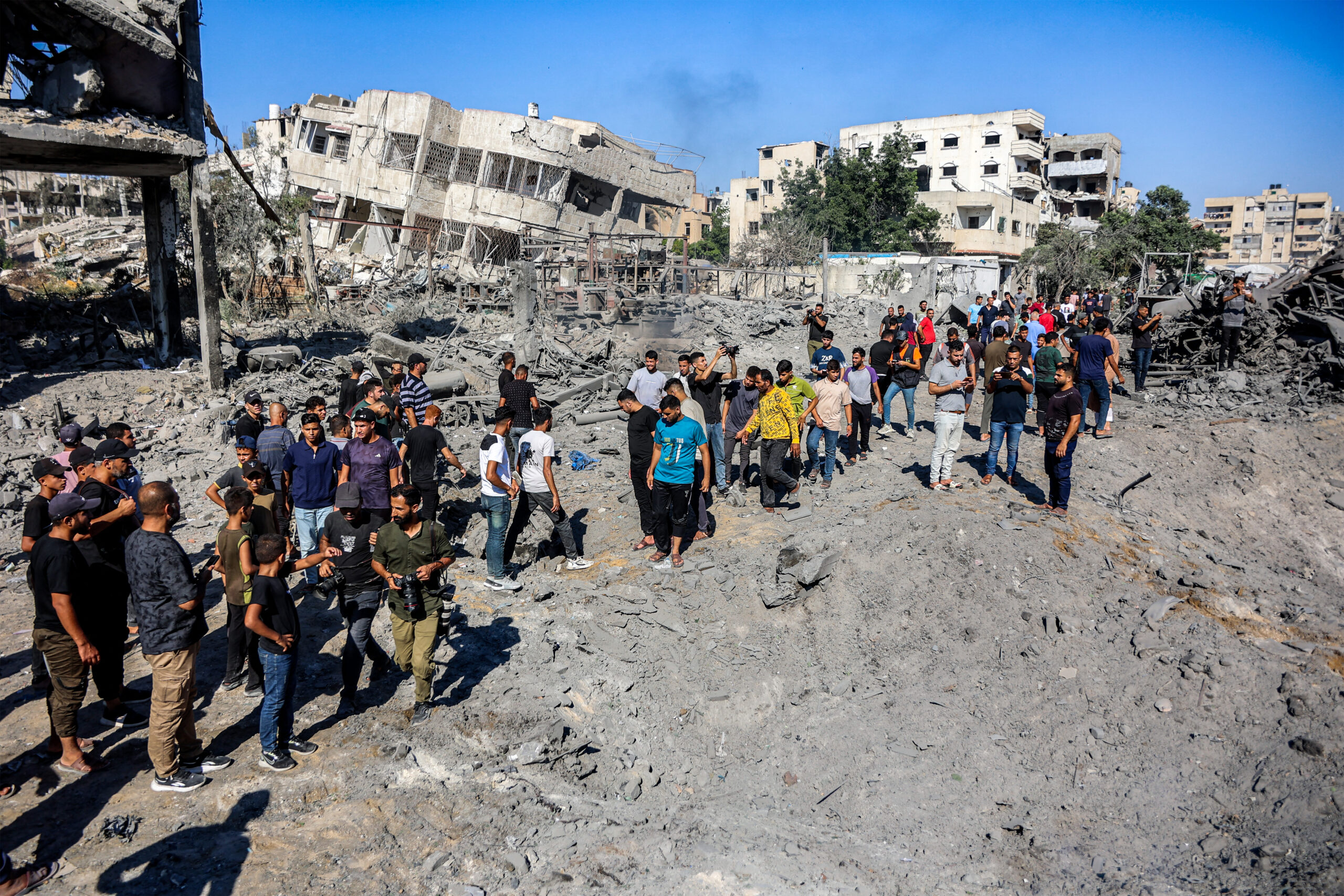
But on the ground? Things look a little different. Because money, even a billion of it, can’t easily paper over the cracks of entrenched distrust or the monumental logistical hurdles. This isn’t a pristine canvas awaiting fresh paint; it’s a cratered wasteland. According to the United Nations Office for the Coordination of Humanitarian Affairs (OCHA), a staggering 85% of Gaza’s population—roughly 1.9 million people—has been displaced from their homes. Think about that. More than three-quarters of a confined territory’s populace, ripped from everything they know. That’s a staggering human toll, — and it takes more than just aid convoys.
“While we appreciate any and all efforts to alleviate suffering, the challenge goes far beyond just funding,” lamented Ghazi Hamad, a senior official with the de facto authority in Gaza, speaking from a location whose coordinates he wouldn’t confirm. “We need open borders, materials allowed in without endless restrictions, and a genuine commitment to a just peace, not just piecemeal aid packages designed to keep a lid on things. We’ve seen these pledges before, haven’t we? It’s never enough, — and the underlying issues persist.” His cynicism, honestly, felt earned.
And this European largesse? It plays differently across the broader Muslim world, too. In Islamabad, Karachi, — and Jakarta, the narrative often centers not on aid, but on accountability. Pakistan, for instance, has long called for stronger international action against perceived injustices, framing European aid packages as necessary but insufficient measures. Many Muslim-majority nations view such financial gestures through the lens of political obligation rather than genuine benevolence, especially when paired with what some see as a disproportionate Western silence on the root causes of the conflict. It’s a sentiment that fuels popular protests and complicated diplomatic maneuvers across the globe, impacting everything from trade deals to UN resolutions. These aren’t simple checkbook exercises; they’re tangled webs of geopolitics.
The Brussels gambit is, fundamentally, an exercise in damage control, a strategic investment in regional stability. It aims to prevent a complete implosion, one that could ripple out into Europe’s own backyard, sparking everything from radicalization to uncontrolled migration. They’re buying time, mostly. But can it buy peace? Not really. It’s a massive project, for sure, yet still feels like a palliative for a deep, systemic disease.
The money itself—where it actually lands and who controls it—remains a sticking point. Because historically, aid to Gaza gets bogged down in an administrative maze of permits, dual-use item restrictions, and political wrangling between various factions. Don’t forget, the physical infrastructure needs are just one piece of the puzzle; the economic fabric, already threadbare, has been shredded. Small businesses are gone, jobs vaporized. It’s going to take more than concrete to rebuild a sense of purpose. Europe wants stability, yes, but for many on the ground, true stability feels light-years away. And that’s the kicker: it’s hard to rebuild when the threat of destruction hangs perpetually in the air.
What This Means
Europe’s billion-dollar fund for Gaza isn’t just a humanitarian handout; it’s a high-stakes play in a deeply complicated geopolitical theater. Politically, it reasserts the EU’s role as a significant, albeit often reluctant, international player, hoping to mitigate a crisis whose fallout could well hit its own borders. It’s also an attempt to buy influence with a new Palestinian leadership, should one emerge from the current chaos, while implicitly signaling concern over the wider regional stability—or lack thereof. Economically, the funds are intended to jumpstart reconstruction and basic services, but the real impact will depend entirely on the operational freedom afforded to aid agencies and the sustained flow of building materials. If the political blockades persist, much of this money could effectively vanish into the bureaucracy, rather than transforming lives. The longer-term implications suggest that while the aid is substantial, it won’t address the fundamental drivers of conflict. It’s a bandage, albeit an expensive one, on an open wound. Expect criticism from nations like Iran or Turkey, who’ll view it as an insufficient and belated response from a bloc they accuse of geopolitical complacency. Domestically, for European politicians, it’s a visible measure they can point to—evidence they’re “doing something”—even if its long-term efficacy remains deeply questionable. It’s a very public expenditure designed to assuage guilt, deflect criticism, and, optimistically, prevent another escalation, because honestly, who needs more trouble right now?