


World Cup’s Predictable Unfold: Power Dynamics Affirm The Global Order
POLICY WIRE — Doha, Qatar — One might expect the grand narratives of an international football tournament—with its underdog tales and sudden upsets—to genuinely reshape the geopolitical sporting...

POLICY WIRE — Doha, Qatar — One might expect the grand narratives of an international football tournament—with its underdog tales and sudden upsets—to genuinely reshape the geopolitical sporting landscape. Yet, as the World Cup hurtles toward its crescendo, we find ourselves surveying a field where the established order, frankly, remains as stubbornly entrenched as ever. The much-touted drama of quarterfinals gave way to a semifinal round featuring the same four behemoths that sat atop the world rankings going in.
It’s a peculiar irony, isn’t it? For all the fervent analysis, the agonizing ‘power rankings’ that attempt to dissect the fine margins between elite contenders, the competition has largely affirmed the conventional wisdom. When the dust settled on the knockout rounds, there they were: France, Spain, England, — and Argentina. The footballing aristocrats. These weren’t mere coincidences; FIFA’s own rankings pointed precisely to these four, each a previous World Cup champion, each accustomed to major finals appearances over the last decade and a half. One might even call it hegemonic ambition playing out on grass, rather than an open contest. [QUOTE_PLACEHOLDER]
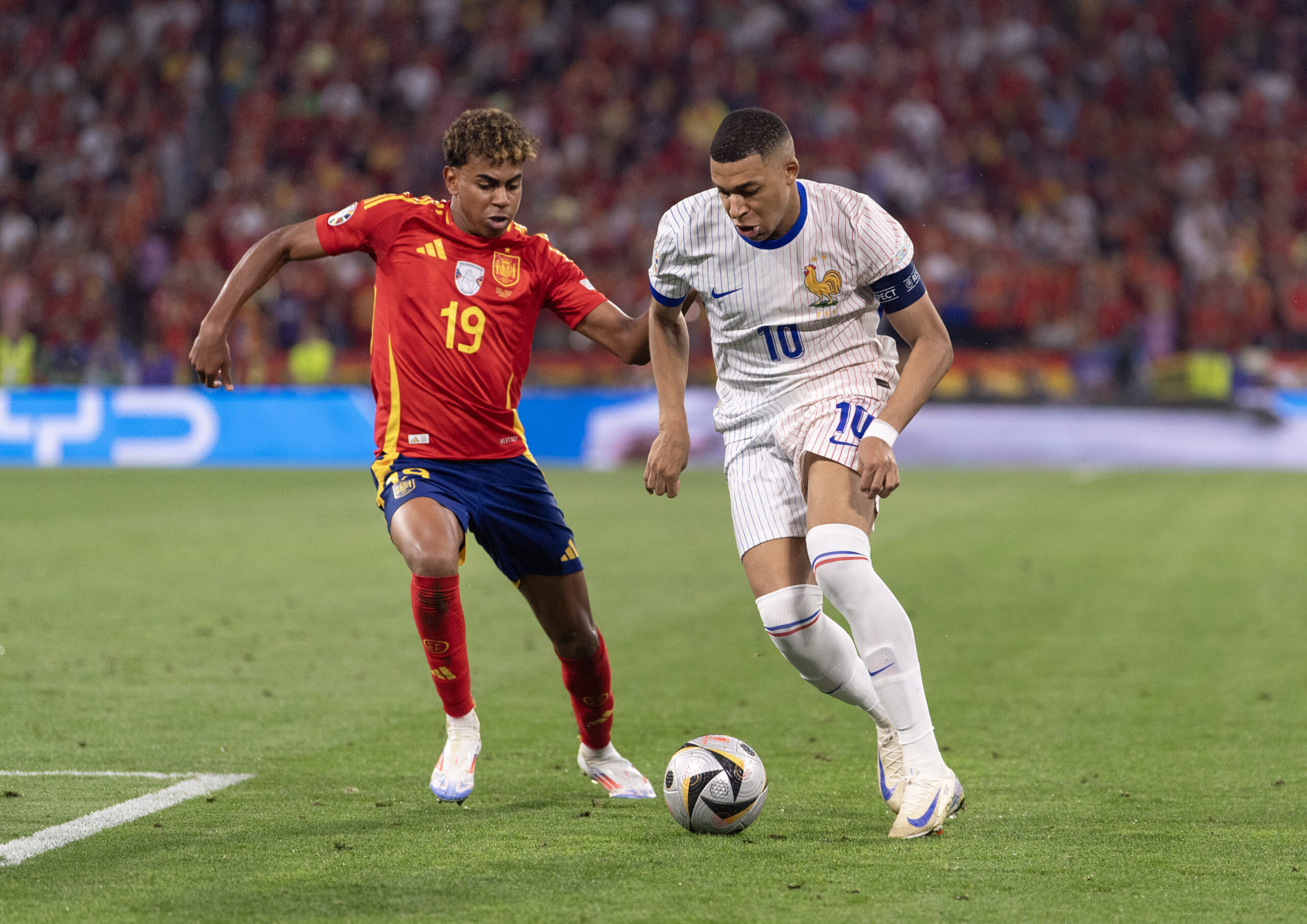
France, for instance, didn’t even bother controlling possession against Morocco in the quarterfinals, breezing past them 2-0. They simply looked untroubled throughout. That’s a flexing of muscle, a calm assurance in their immense talent, exemplified by Kylian Mbappé exploiting the space behind Achraf Hakimi. They’re not just winning; they’re dictating the terms. But they’ve got their work cut out solving Spain’s press in their impending match.
And Spain. They’ve been a machine of suffocating precision, a masterclass in control. They’ve conceded the joint-fewest goals (one) — and fewest expected goals (1.8) in the tournament. That’s a stark figure, a cold, hard fact illustrating a defense so resolute it allows virtually nothing. It’s a testament to a system, not just individual brilliance. This isn’t art; it’s an efficient, unyielding engine. Spain’s 56 percent of possessions starting in the middle and attacking thirds — the highest rate among quarterfinalists — really says it all about their forward-thinking approach, too.
England, in its own stoic fashion, ground out a third consecutive one-goal win in the knockout stage. Some would say that reflects a certain grit, a steeliness that surfaces when the stakes are highest. Between Thomas Tuchel’s tactics and the vast and flexible talent at his disposal, the Three Lions have shown the ability to win in different ways. They took down Congo DR’s low block, then held on a man down versus Mexico. And then they limited Erling Haaland’s opportunities for Norway. But let’s be honest, it’s a team that can look a little… uninspired, sometimes, relying on sheer will and the undeniable quality of players like Jude Bellingham and Harry Kane.
Then there’s Argentina. They slipped a spot in the pre-semifinal prognostications. While they’ve netted a tournament-leading 16 non-penalty goals, they’ve also been dragged into extra time more than once, padding those stats. And I’ve still got questions about their ability to drive forward with width. They’re tied for fewest crosses among quarterfinalists at 78 through six games. It tells you they struggle to find space in the middle of the field. However, one shouldn’t write them off entirely, because they do have Lionel Messi and plenty of other talent, with an intangible sense of belief and passion.
But when you boil it down, this isn’t the story of disruption. It’s the story of endurance, of well-funded, deeply ingrained footballing cultures flexing their established dominance. It’s almost as if the initial buzz was just a distraction from the underlying reality: the big boys play until the very end, usually.
What This Means
The unshakeable presence of these footballing superpowers at the tournament’s climax offers a fascinating, albeit stark, parallel to global political and economic power structures. This isn’t just about athletic prowess; it’s about deep institutional memory, unparalleled access to talent development, and substantial financial backing. Consider the infrastructure required to consistently produce players like Mbappé or Messi—it’s not accidental. For nations across the developing world, particularly in South Asia and the Muslim world, where football’s popularity often transcends political divides—think of the passionate following for European leagues from Karachi to Cairo—this consistent dominance by a select few signals a challenging ceiling for aspirational programs. It requires a long-term, multi-generational investment that many burgeoning economies simply can’t match, even if they’ve got raw talent in spades. Think Pakistan, with its burgeoning youth population; its footballing ambition is immense, yet the systemic hurdles to compete at this level remain astronomical.
The soft power derived from such global sporting success can’t be overstated either. A nation lifting the World Cup trophy gains global prestige, attracting investment, tourism, and influence—precisely the kind of diplomatic capital that established powers always seek to consolidate. So, while we celebrate the spectacle, we’re also witnessing an affirmation of a well-oiled, perhaps even exclusionary, global football hierarchy.