


Spain’s Inferno Echoes Global Climate Desperation Amidst Tragic Loss
POLICY WIRE — Malaga, Spain — It’s a primal battle, raw and unyielding, fought not with sophisticated geopolitics but with sweat, grit, and the overwhelming scent of burning pine. For days now,...

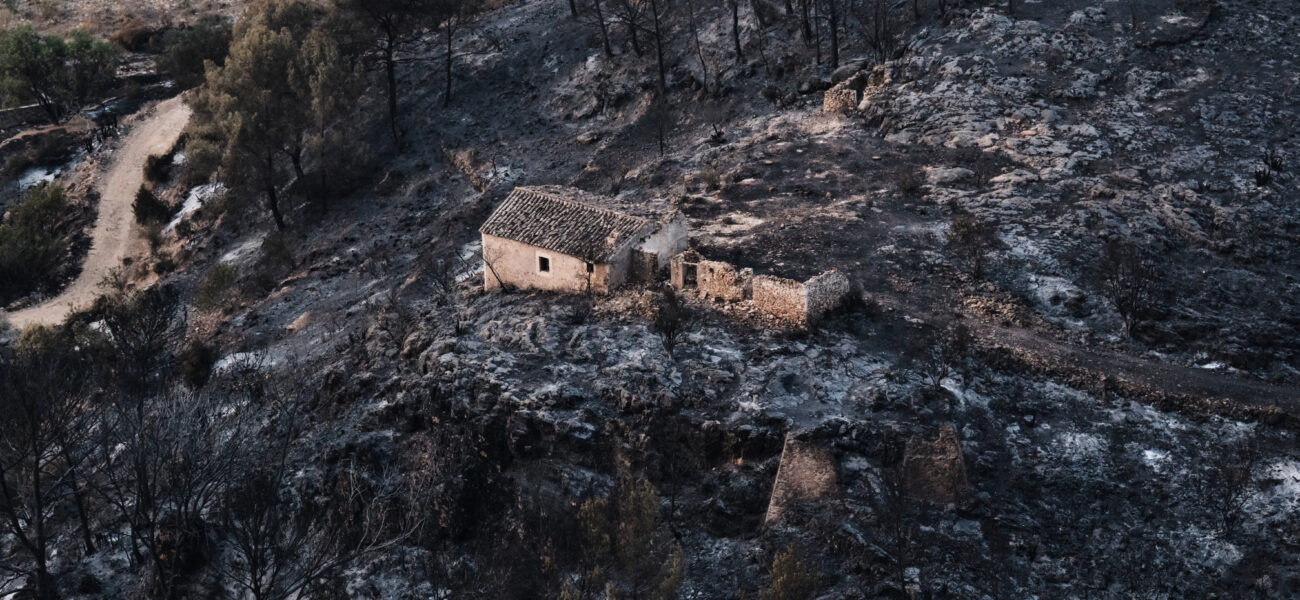
POLICY WIRE — Malaga, Spain — It’s a primal battle, raw and unyielding, fought not with sophisticated geopolitics but with sweat, grit, and the overwhelming scent of burning pine. For days now, hundreds of firefighters – many little more than silhouettes against a horizon of angry orange – have waged a desperate campaign against a raging wildfire tearing through southern Spain. This isn’t a singular anomaly anymore; it’s becoming Europe’s grim summer ritual, etching deep scars onto both the landscape and the collective psyche.
The smoke plumes, thick and choking, stretch for miles, a mournful shroud over an otherwise postcard-perfect Andalusian panorama. But beneath that oppressive canopy, twelve lives have already been consumed by the inferno, their stories extinguished by an environmental menace that respects no boundaries, no human effort, no prayers. One minute you’re sleeping in your home; the next, you’re fleeing for your life, if you’re lucky. And then, sometimes, you don’t even get that chance.
What happens when the line between human effort — and nature’s raw power blurs this drastically? When hundreds of dedicated responders, backed by an armada of aircraft—dropping retardant in futile splatters—can’t stem the tide? You see the exhaustion in their eyes, the frustration in their hurried commands. It’s a fight that feels deeply unfair.
Juan Manuel Moreno Bonilla, the President of Andalusia’s regional government, didn’t mince words as he surveyed the devastation from a temporary command post. “We’re facing a foe unlike any we’ve encountered with such regularity,” he told reporters, his face etched with concern. “This isn’t just nature’s whim; it’s a desperate, increasingly familiar cry. Our brave men and women on the lines—they’re heroes, absolutely. But they aren’t miracle workers against an inferno of this magnitude.” He paused, looking away. “It’s brutal, folks.”
This relentless onslaught of wildfires—accelerated by scorching temperatures and prolonged droughts, both hallmarks of a changing climate—doesn’t just torch forests. It upends livelihoods, shatters communities, — and relentlessly drains public resources. Tourism, a lifeblood for many of these Mediterranean towns, takes a severe hit. Property values plummet, — and the emotional cost? That’s incalculable.
Even nations far from the Mediterranean, like Pakistan—battling its own severe climate-induced calamities, from historic floods displacing millions to prolonged heatwaves in its southern provinces—understand this relentless struggle. There’s a shared, unspoken dread among communities on the front lines of climate change, a silent recognition that geography offers no ultimate shield. Because ultimately, the atmosphere knows no borders, — and neither do its consequences.
But a crisis like this always forces a reckoning. “The patterns are clear. What was once exceptional is fast becoming our grim, new routine,” asserted Spain’s acting Environment Minister, Teresa Ribera, her tone firm during a press conference in Madrid. “We simply can’t keep applying 20th-century solutions to a 21st-century crisis. New strategies, comprehensive international cooperation on fire prevention and rapid response—these aren’t just suggestions anymore, they’re mandates for survival.” Her remarks felt like less a policy statement and more an exasperated plea.
📄 POLICY WIRE WHITEPAPER PUBLISHED: PAKISTAN'S NATIONAL SECURITY POLICY PRIORITIES
👉 READ BY CLICKING HEREAccording to the European Environmental Agency, the area burned by wildfires in southern Europe alone has increased by roughly 20% in the last decade, with more frequent, intense heatwaves playing a direct role. These aren’t just isolated incidents; they’re symptoms of a planetary fever. (Remember that last unprecedented heat dome? This is its brutal payoff.)
We see it in headlines about Australia, California, Canada. The global climate isn’t just warming; it’s acting out, lashing back at us. What happens in Andalusia is inextricably linked to what’s happening globally. The stakes are profoundly human, deeply economic, — and terrifyingly existential. Geopolitical flashpoints might dominate headlines, but this quiet, creeping climate war? It’s reshaping everything else.
What This Means
The political implications here are stark. Spain’s government, still grappling with other national challenges, will face intense scrutiny over its climate change adaptation strategies and resource allocation for emergency services. This tragedy will fuel calls for more aggressive environmental policies, but also spark debates about the practicalities of implementation and the immediate costs associated with it. Regionally, Malaga’s local economy, heavily reliant on tourism, faces a daunting recovery, a blow that reverberates through seasonal employment and property investment. International climate discussions will inevitably circle back to events like these, highlighting the unequal burden of global warming on Mediterranean states and, by extension, other vulnerable regions worldwide—much like how the humanitarian community consistently highlights climate displacement in regions such as South Asia. This isn’t just a local disaster; it’s a dress rehearsal for future, wider-scale emergencies, forcing governments to redefine their approach to transparent crisis management and long-term climate resilience. The costs will rise. People will suffer. The planet doesn’t really care for political timelines, it seems.