


Ronaldo’s World Cup Swan Song: A Study in Public Grief, Market Resilience, and the Geopolitics of Fandom
POLICY WIRE — Lisbon, Portugal — The digital lament, usually reserved for mundane daily grievances, found itself drafted into service for the dethroned. As Portugal exited the World Cup, courtesy of...

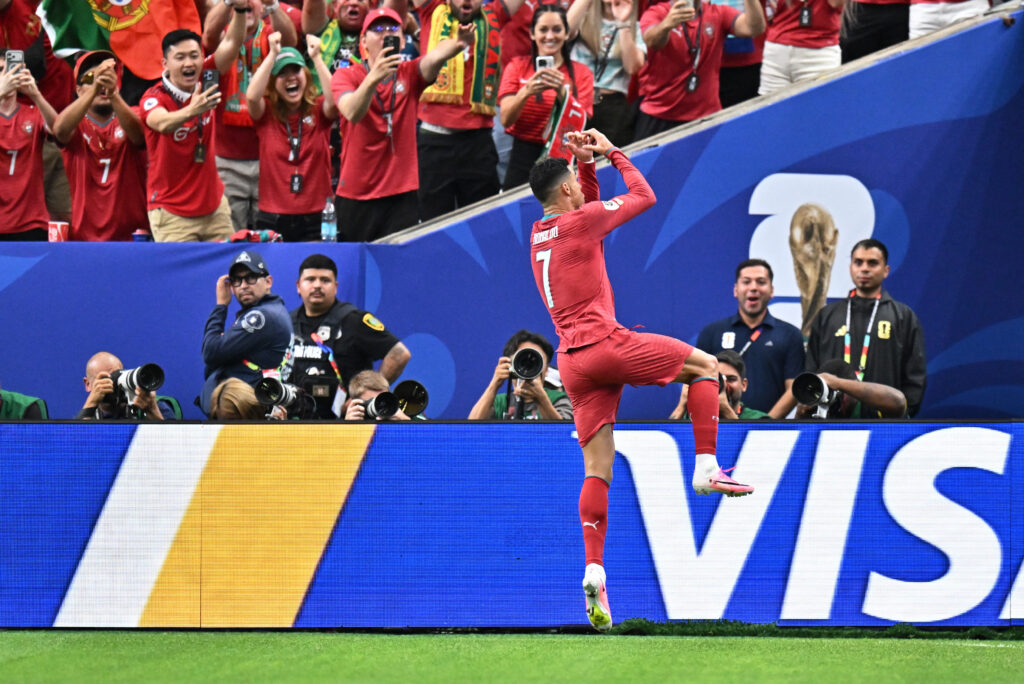
POLICY WIRE — Lisbon, Portugal — The digital lament, usually reserved for mundane daily grievances, found itself drafted into service for the dethroned. As Portugal exited the World Cup, courtesy of a singular goal against Spain in the Round of 16, it wasn’t the raw football statistics that first dominated screens. Instead, it was Georgina Rodriguez, partner to Cristiano Ronaldo, posting on social media—a curiously public balm for a private wound. Her message, quick to propagate across platforms, became a momentary viral sensation, framing a very public defeat as a moment for unwavering support. A calculated performance, or genuine affection? In today’s curated reality, often, it’s both.
It’s an interesting tableau: the professional apex of a sportsperson, distilled into a public declaration of solidarity from their spouse, then dissected by millions. Rodriguez wrote, a sentiment echoed by legions of fans: [QUOTE_PLACEHOLDER] She punctuated it with emojis, naturally, securing its place in the modern lexicon of emotional sincerity.
Ronaldo himself, exiting the global stage he’d graced for years without the ultimate prize, didn’t exactly retire quietly to mourn. But he’s a veteran, isn’t he? After confirming he wouldn’t compete in the quadrennial tournament again, he told reporters, [QUOTE_PLACEHOLDER] A concession, not a capitulation. He added, “As I said yesterday, I gave it my all, and I leave with a clear conscience. That’s the life of a footballer. You have to move forward.” And move forward, he must.
His 11 goals across 27 World Cup appearances mark a formidable legacy in an unforgiving arena. Yet, it wasn’t enough this time. The man himself stated, with a philosophical edge that perhaps only hindsight affords, “It was my last World Cup, yes.” But he then shifted to the future: “But as for the rest, there’s time to think, to be with my family, and not say things in the heat of the moment.”
Because, despite the dramatic exit, Ronaldo retains considerable cachet. He’d won three titles with Portugal, a fact he’s quick to underscore, proclaiming, [QUOTE_PLACEHOLDER] It’s a sentiment designed to preserve his standing, a reminder of past glories even as recent events cast a shadow.
And so, while the player digests his personal outcome, the managerial merry-go-round already spins. Roberto Martinez, Portugal’s coach, simultaneously confirmed his resignation, capping a three-year stint. His departure clears the way for Jorge Jesus, reportedly set to take the helm under a fresh four-year contract. In elite football, sentiment is a luxury. Results aren’t just desired; they’re mandated. There’s a harsh beauty in that brutal efficiency.
What This Means
Ronaldo’s final World Cup performance, coupled with the ensuing social media spectacle, highlights several critical intersection points within the modern global economy and geopolitical landscape. First, the monetized grief of celebrity. Rodriguez’s viral post wasn’t just personal; it became a global content asset, feeding the voracious maw of digital media and strengthening the Ronaldo brand, even in defeat. This celebrity-industrial complex, fueled by an insatiable public appetite, proves its resilience. They don’t just sell goals; they sell narrative.
But consider, too, the ripple effects beyond European football’s heartland. Ronaldo’s high-profile move to Saudi Arabia’s Al-Nassr, and the broader push by Gulf nations into global sports, signifies a deliberate effort to project soft power and diversify economies beyond fossil fuels. This move wasn’t just a career decision; it was a political-economic statement, resonating deeply in Muslim-majority nations and across South Asia, where football’s appeal runs bone-deep. Ronaldo is not just a footballer; he’s an ambassador, willingly or not, for these emerging economic centers. In Karachi, Dhaka, or Jakarta, his jerseys are worn, his movements tracked. Fans in these regions aren’t merely passive spectators; they’re a massive, engaged consumer base, ready to respond to cultural shifts led by figures like Ronaldo.
For example, the football transfer market, once predominantly an affair of Western clubs, increasingly involves Gulf States, shifting vast sums of capital and influence eastward. This economic phenomenon has profound implications for regional geopolitics, fostering new alliances and sometimes exacerbating existing rivalries as nations vie for sporting prestige and economic diversification. The entire affair—from the pitch to the digital echo chamber—underscores how tightly entwined sports, celebrity, and macroeconomic strategies have become. Ronaldo’s next contract, and indeed his personal brand’s careful stewardship by entities like NBA’s Mercenary Core Shakes Loyalty Myth, remains big business.
Then there’s the broader political economy of national teams. Portugal’s exit isn’t just a sports story; it represents a significant psychological blow to a nation, something national leaders, whether they admit it or not, pay attention to. The public mood, economic confidence, even voter sentiment can be subtly swayed by national sporting performance—a dynamic well-understood in capital cities worldwide. The change of coach isn’t just about tactics; it’s about resetting a national narrative, re-calibrating expectations for what effectively becomes a public enterprise.
Ultimately, Ronaldo’s saga provides a window into the modern nexus of sport, commerce, — and global politics. His career, it’s clear, extends far beyond the field, shaping narratives, driving economies, and influencing conversations from Houston, Texas to the farthest reaches of the Indian Ocean, in ways few individuals ever achieve. He’s navigating what comes next, a private wedding rumored for later this year with Rodriguez (though sources suggest she’d prefer a quieter affair), against a public backdrop of immense wealth and unrelenting scrutiny.