


Houston’s Tense Streets: Immigration Encounter Flares into Fatal Firefight
POLICY WIRE — Houston, United States — The city hadn’t braced itself for another headline casting a long shadow over its diverse communities, but here we’re. It’s a moment that rips open...

POLICY WIRE — Houston, United States — The city hadn’t braced itself for another headline casting a long shadow over its diverse communities, but here we’re. It’s a moment that rips open fresh wounds on a policy front that’s perpetually raw, reminding everyone that immigration isn’t just a political talking point. It has flesh-and-blood consequences, often on some unassuming street corner in America’s sprawling urban landscape.
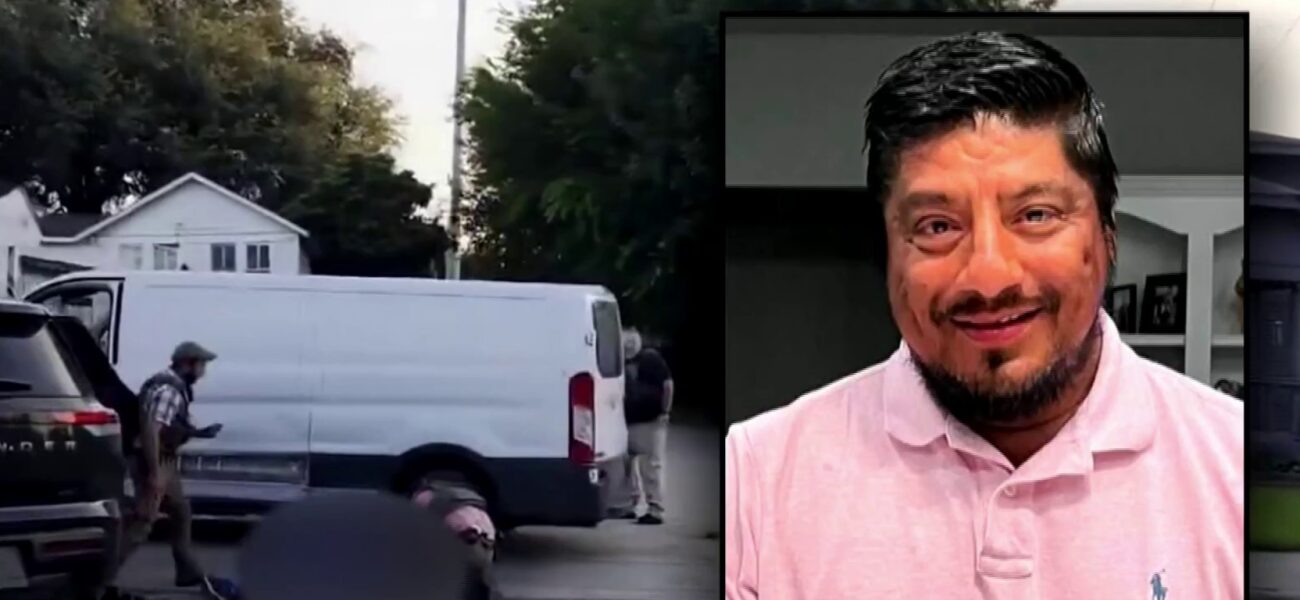
Early reports—meager as they’re at this nascent stage—confirm a fatality resulting from an engagement involving an immigration officer. Not in some faraway border outpost, mind you, but squarely within Houston’s limits. It’s an incident that doesn’t just ignite the local rumor mill; it sends shockwaves, prompting whispers and fervent debates from East Downtown to Gulfton, from bustling immigrant hubs right down to the quietest suburbs where families just try to get by. People are already trying to piece together the narrative, figuring out how such an encounter escalated, why lives got cut short.
And let’s be frank: such incidents rarely unfold in a vacuum. This particular flashpoint forces a hard look at the expanding remit of federal enforcement within domestic spheres. We’ve seen, time — and again, how lines blur between national security, border control, and day-to-day law enforcement. When an agency designed for border security or international criminal pursuit becomes a presence in neighborhoods, the dynamic shifts. It always does. Suddenly, questions aren’t just about legality, but about public trust — and accountability.
It’s clear folks want answers. They’re demanding to know exactly what transpired. The official statements have, predictably, been terse, emphasizing an ongoing investigation. Harris County District Attorney [QUOTE_PLACEHOLDER] described the situation as [QUOTE_PLACEHOLDER] in a brief statement released Tuesday. But for those on the ground, especially in immigrant communities, that sort of official restraint often reads like stonewalling. They’ve lived through enough rounds of it to recognize the pattern, know what it implies for transparency.
For some, this event inevitably conjures echoes of concerns emanating from Pakistan and broader South Asia, where family ties to America are strong. The intricate networks of remittances, often a lifeline for struggling households back home, depend on stability here. Every perception of arbitrary enforcement, every story of a confrontation turning tragic, gets amplified, generating worry about loved ones’ safety and the long-term prospects for those who’ve sought refuge or opportunity here. It changes the narrative for entire generations, shifts decisions on whether to stay or whether to take a leap across oceans.
It’s worth noting the complex demographics of Houston itself. It’s home to one of the nation’s most vibrant Pakistani American communities, alongside a vast tapestry of other immigrant groups. Stories like this hit harder, because it’s not some abstract scenario—it’s someone’s neighbor, someone’s brother, someone’s child potentially affected. According to a 2022 report from the Migration Policy Institute, Texas has the second-largest immigrant population in the U.S., accounting for approximately 17% of the state’s total residents. That’s a lot of people for whom immigration policy isn’t theoretical; it’s personal. These numbers tell a tale of integration and contribution, but also, increasingly, of vulnerability when the state’s agents are perceived to act with excessive force.
Community leaders have been quick to react, of course. Reverend [QUOTE_PLACEHOLDER] from the Inter-Faith Coalition stated [QUOTE_PLACEHOLDER] earlier today. And Councilman [QUOTE_PLACEHOLDER], representing a significant immigrant population, went on record to say [QUOTE_PLACEHOLDER], reflecting the escalating frustration felt across a broad cross-section of Houston’s citizenry. You just know this isn’t going to blow over quickly. Because it involves an agent of the state, federal to boot, this kind of scrutiny only gets intensified. There are layers to unpack here: training, de-escalation protocols, internal review processes.
These confrontations, particularly those that turn deadly, really aren’t isolated incidents. They contribute to a larger narrative of friction between federal agencies and the populations they police, creating what one might call an ever-widening chasm of distrust. The official stance often frames these as necessary evils in a dangerous world, protecting borders and upholding the rule of law. But for affected families, for the broader community, it’s just another sign of a system that can be unforgiving, even deadly.
What This Means
This tragic incident in Houston doesn’t just represent a localized law enforcement challenge; it embodies a broader national — and even international — policy quandary. Politically, it’s bound to reinvigorate calls for stricter oversight of immigration enforcement agencies. Expect progressive lawmakers and immigrant advocacy groups to press for greater transparency, mandatory body camera usage, and independent investigations into officer-involved shootings, particularly those occurring off federal lands or checkpoints.
Economically, such events can have subtle but far-reaching implications. Fear within immigrant communities, whether documented or not, often translates into reduced participation in formal economic activities, reluctance to report crimes (even those unrelated to immigration), and a general dampening of entrepreneurial spirit. Families may defer investment, send more money overseas (impacting local consumption), or even consider migrating internally or returning to countries like Pakistan if the environment becomes perceived as too hostile. It’s a chill that settles, slowing the vibrant economic contributions these communities usually provide. this feeds into the political discourse abroad; a harsh enforcement image projected globally impacts diplomatic ties and even shapes foreign public opinion about the U.S. This incident isn’t merely a police report; it’s a barometer for the nation’s evolving relationship with its own diverse populace, and the world looking in.