


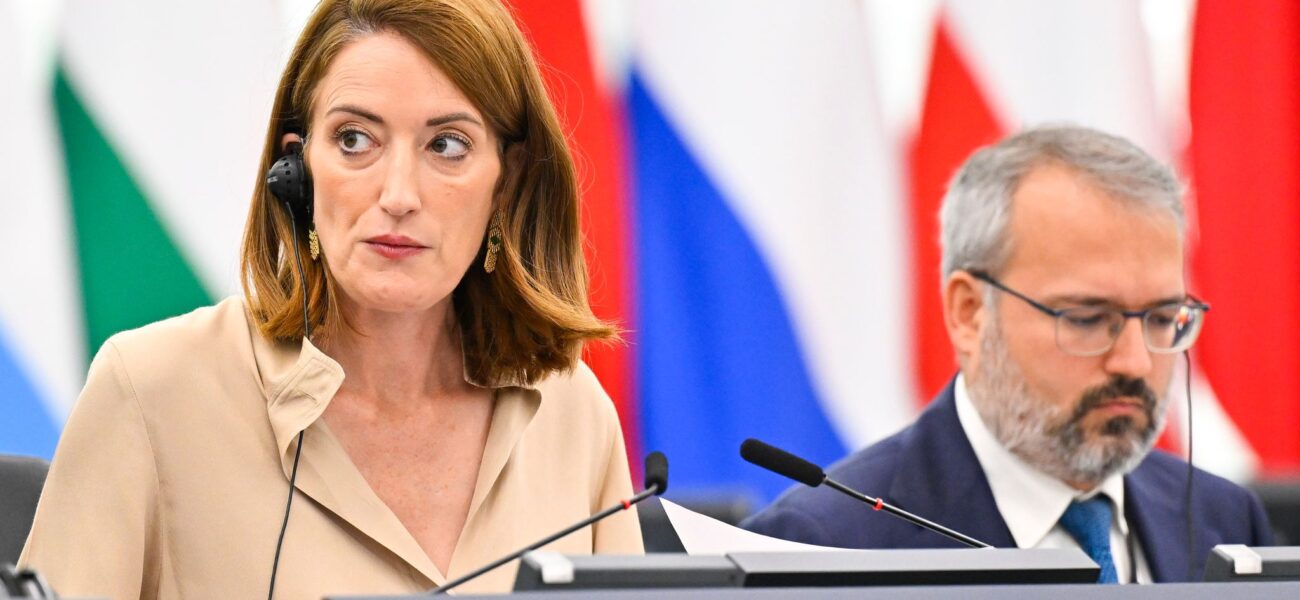
Brussels Draws a Line: EU Parliament Snaps Back at Far-Right’s Long Game
POLICY WIRE — Strasbourg, France — For years, the European Parliament has been the ultimate crucible of the continent’s clashing ambitions, a grand theater where bureaucratic inertia often eclipsed...

POLICY WIRE — Strasbourg, France — For years, the European Parliament has been the ultimate crucible of the continent’s clashing ambitions, a grand theater where bureaucratic inertia often eclipsed genuine drama. But now, it’s decided to shed the script, opting instead for an unscheduled plot twist. This week, the institution that many love to mock for its snail-paced deliberations and dizzying acronyms moved with unusual haste, voting overwhelmingly to launch an internal investigation into one of its prominent far-right party groups.
It’s not just paperwork. This isn’t merely an administrative shuffle. This is the Union drawing a line, asserting its will against a surging tide of populist sentiment that has, for quite some time, considered the Parliament its personal playground. What’s in the crosshairs? Whispers from within the hallowed halls suggest allegations ranging from questionable financial practices to deliberate attempts to undermine the Union’s core values from the inside. They’re playing the long game, these populist outfits, — and Brussels has apparently had enough of just observing.
And let’s be blunt: This vote sends a clear message. The EU, often perceived as a ponderous, slow-moving beast, still possesses teeth. The sheer breadth of support for the probe — an undeniable cross-section of mainstream political leanings, from Christian Democrats to Socialists to Greens — shows a rare moment of unity. Even as global alignments quietly shift, Europe grapples with its internal fissures.
“We’ve reached a point where rhetoric can no longer hide actions,” declared Lena Kessel, a German Green MEP, her voice a clipped indictment heard across committee rooms. “This isn’t about political disagreement; it’s about safeguarding the integrity of our institutions. If rules are broken, accountability isn’t optional. It’s the absolute bedrock of what we stand for as a democratic Union.” She didn’t mince words. Because when the far-right grows increasingly bold, sometimes you just have to pull out the rulebook.
But those targeted aren’t exactly shaking in their expensive loafers. “This is a cynical, politically motivated witch hunt,” retorted Stanisław Dąbrowski, a Polish MEP affiliated with the conservative-nationalist bloc, in a statement bristling with indignation. “The establishment fears our growing influence — and seeks to silence dissent under the guise of procedure. It’s an insult to the millions of Europeans who believe in national sovereignty, not an overreaching super-state. We won’t be intimidated by this sham investigation.” His defiant stance is a familiar tune for anyone tracking European politics lately.
The incident that triggered this parliamentary skirmish? Details remain cagey, but reports indicate specific concerns regarding financial transparency and external funding sources — an old tune in the corruption concerto. Some even muse it’s payback for an exceptionally disruptive past few months from the group, including allegations of undermining climate legislation and advocating for withdrawal from key treaties. The actual outcome remains murky, of course. These things rarely conclude cleanly.
📄 POLICY WIRE WHITEPAPER PUBLISHED: PAKISTAN'S NATIONAL SECURITY POLICY PRIORITIES
👉 READ BY CLICKING HEREAnd here’s where it gets really complicated for the continent. This isn’t happening in a vacuum. Right-wing populist movements have seen a dramatic rise across Europe, fueled by anxieties over migration, economic stagnation, and a general distrust of traditional political elites. According to a 2023 Eurobarometer survey, only 45% of Europeans trust the EU Parliament, a significant drop from 51% in 2018. That dip creates a breeding ground for these groups, doesn’t it?
From the simmering discontent in the Netherlands to the hardened stances in Hungary, these groups aren’t just loud; they’re gaining ground. Their narratives resonate deeply, particularly concerning issues of identity and the perceived erosion of national character. You see similar sentiments echoed far beyond European borders, too. When figures like Viktor Orbán rail against ‘uncontrolled migration,’ you hear it in the discourse in certain parts of Balochistan, where anxieties about foreign influence and local sovereignty are also paramount. It’s a testament to the global nature of these modern, nationalistic tensions.
What This Means
This investigation, assuming it gains real traction and isn’t simply lost in bureaucratic quicksand, carries significant implications. Politically, it signals a renewed, perhaps desperate, effort by mainstream parties to curb the far-right’s influence before the next European elections. If findings point to serious misconduct, it could lead to sanctions, loss of privileges, or even the dissolution of the group — an institutional earthquake that would reverberate through national capitals. Such a move would undoubtedly be painted by the far-right as martyrdom, further galvanizing their base and strengthening their narrative of being victims of the ‘globalist elite.’ Economically, a destabilized or embattled far-right bloc could shift the dynamics of votes on critical issues like climate policy, trade agreements, and budget allocations, which often face staunch opposition from these quarters. It could mean smoother sailing for integrationist agendas, or it could simply mean more protracted trench warfare in the chamber. Either way, Brussels just fired a warning shot. We’ll see if it lands.