


Trump’s NATO Agenda: Ukraine, Syria Leaders Await
POLICY WIRE — Ankara, Turkey — In a series of high-stakes bilateral encounters, US President Donald Trump is slated to hold individual meetings with Ukrainian P...

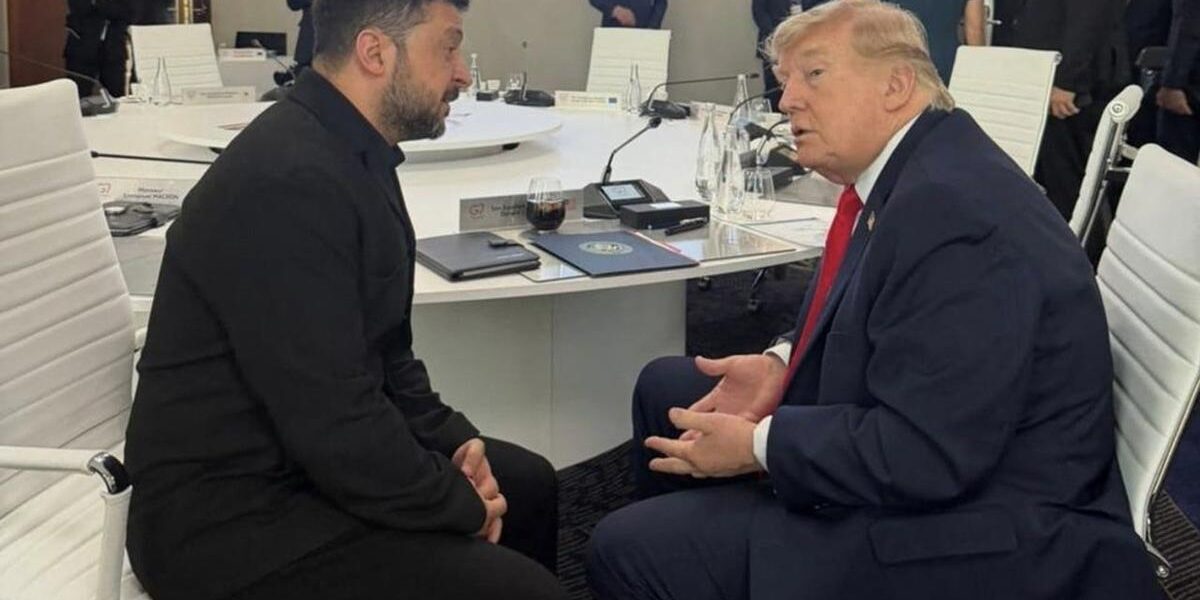
POLICY WIRE — Ankara, Turkey — In a series of high-stakes bilateral encounters, US President Donald Trump is slated to hold individual meetings with Ukrainian President Volodymyr Zelensky and Syrian President Ahmad al-Sharaa this Wednesday. These pivotal discussions will unfold on the periphery of the ongoing NATO summit in Turkey, as confirmed by the White House (Reporting based on Reuters).
The convergence of these key figures in Ankara highlights the intricate geopolitical landscape facing the United States and its allies. The announcement, relayed by White House spokeswoman Anna Kelly to reporters while previewing the summit, sets the stage for engagements that could influence the trajectories of two significant global flashpoints.
For Ukraine, the anticipated discussion with President Trump comes at a critical juncture. Kyiv’s primary objective, according to initial reports, is to galvanize and refocus President Trump’s attention on the enduring conflict with Moscow. Ukraine has long sought consistent international pressure and support against Russian aggression, and a direct engagement with the US President during such a prominent gathering is undoubtedly seen as an opportunity to reinforce its position and needs.
Simultaneously, President Trump’s meeting with Syrian President Ahmad al-Sharaa injects a different set of complexities into the diplomatic agenda. This meeting follows President Trump’s public pronouncements where he has mused about Syria’s broader role in the volatile Middle East. Given the multifaceted civil war, external interventions, and competing regional interests that have characterized Syria for years, any dialogue at this level carries significant weight. It could signal potential shifts in US policy, re-evaluation of alliances, or a renewed focus on particular aspects of the Syrian quagmire.
The backdrop for these discussions, the NATO summit in Turkey, adds another layer of strategic importance. NATO, as a collective defense alliance, grapples with a spectrum of threats and challenges, from conventional military concerns to regional instabilities. Bilateral meetings between member states’ leaders and external figures during such summits are not uncommon, yet the specific pairings—Ukraine, a crucial partner on NATO’s eastern flank, and Syria, a nation at the heart of ongoing Middle Eastern turmoil—underscore the urgent need for diplomatic solutions to persistent crises. Turkey itself plays a unique role, geographically straddling Europe and the Middle East, making it a fitting, if complex, host for such a gathering of global leaders and their sensitive agendas.
📄 POLICY WIRE WHITEPAPER PUBLISHED: PAKISTAN'S NATIONAL SECURITY POLICY PRIORITIES
👉 READ BY CLICKING HEREWhat This Means
These planned meetings signal the US administration’s intent to engage directly with leaders at the epicenter of two deeply entrenched geopolitical challenges. For Ukraine, the immediate outcome hinges on whether President Trump’s perspective on the conflict with Moscow can be swayed or solidified. A productive meeting might reassure Kyiv of continued US diplomatic backing, potentially influencing future policy regarding sanctions on Russia or military aid. Conversely, a lack of firm commitment could exacerbate Ukrainian concerns about waning international resolve, especially given previous questions about US policy consistency toward Eastern Europe.
The meeting with President al-Sharaa introduces an element of unpredictability regarding US involvement in Syria. President Trump’s prior musings suggest a re-evaluation of America’s strategic interests and potential interventions. This direct dialogue could pave the way for new diplomatic overtures, a recalibration of military presence, or even a more concerted effort to define Syria’s long-term regional status. For Middle Eastern nations watching closely, any hint of a shift in the US stance could trigger a cascade of regional reconfigurations, affecting everything from energy politics to counter-terrorism efforts. The fact that these meetings are happening at a NATO summit also speaks to the alliance’s broad, albeit sometimes internally conflicted, mandate to address instability far beyond its immediate borders.
Overall, these bilaterals will be scrutinized for both their explicit outcomes and their implicit signals about the future direction of US foreign policy in regions where conflicts have profound global implications. It highlights the continued importance of direct presidential diplomacy in shaping the immediate future of complex international relations.