
Caracas Aftershocks: Political Quakes in Venezuela
Caracas aftershocks expose Venezuela's fragile political landscape. Maria Corina Machado rises amidst crisis, challenging government control & global power dynamics.

POLICY WIRE — Caracas, Venezuela — Forget the swaying chandeliers for a moment, the displaced bricks and the unsettling rumble beneath one’s feet. Those physical tremors, the kind Venezuela has felt keenly of late, seem almost secondary to the political quakes rippling through the nation’s fragile landscape. Here, a mere aftershock can reopen old wounds—and, more interestingly, carve out unexpected avenues for those long sidelined from power.
It’s a peculiar twist of fate, this confluence of natural disaster — and political aspiration. With homes crumbling and communities scrambling for basic aid, some might expect a unified front, a pause in the relentless political theatre. They’d be wrong. Instead, the seismic instability has served less as a distraction and more as a raw nerve, exposing the brittle infrastructure of both the country’s physical makeup and its democratic aspirations. And this isn’t just about rocks moving underfoot; it’s about the very ground shifting beneath established political narratives.
Enter Maria Corina Machado, a figure who’s never been one to shy from a fight, let alone an opportunity. Her recent efforts, you see, are inextricably linked to the present chaos. While many are still processing the scale of the damage and wondering when the next jolt will hit, Machado has seemingly found a new kind of momentum, leveraging the immediate crisis into a platform. Her objective, clear as a Caracas afternoon, involves a return to the political stage—one she’s been famously, stubbornly barred from. But for a population already weary from years of economic hardship and now literal instability, her actions carry a heavy, complex weight. It’s a bold move, that’s for sure.
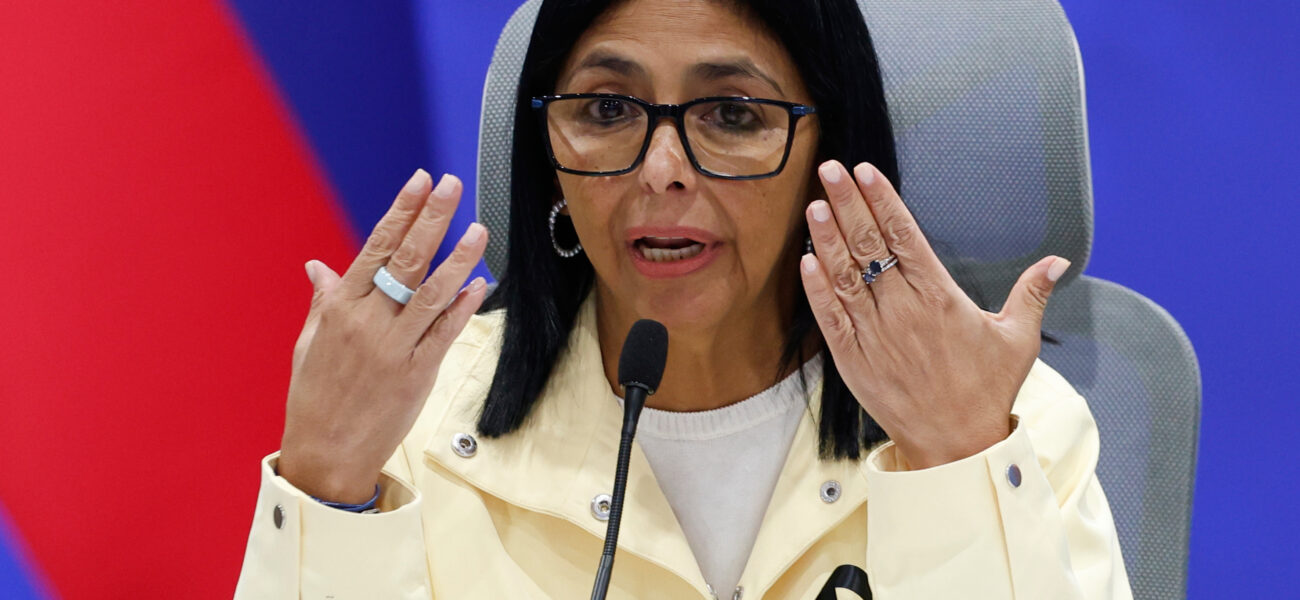
The state apparatus, on the other hand, hasn’t missed a beat in attempting to frame any such efforts through its well-worn lens of destabilization. They’re masters at it. The government has reportedly moved swiftly, or perhaps clunkily depending on your perspective, to assert control over the relief efforts. This isn’t charity, though. It’s power politics, played out in the guise of humanitarian aid. One prominent figure, a government minister whose portfolio now seems to include emergency infrastructure, reportedly issued a stern warning against those attempting to [QUOTE_PLACEHOLDER] or sow discord during this difficult time. It’s a classic play: paint the opposition as opportunistic, even predatory, during moments of collective vulnerability. You’ve seen it before, haven’t you?
And because, in today’s interconnected world, domestic squabbles rarely stay confined to borders, the tremors resonate far beyond the Caribbean coastline. Nations like Pakistan, navigating their own complex dance of democratic reform and economic pressure, often eye Venezuela’s trajectory with a curious mix of concern and, well, ‘there but for the grace of God’. They get it. The internal machinations, the way a charismatic figure—or one who’s perceived as such—can rally popular sentiment, even amidst adversity, that’s familiar territory. Economic hardship, for instance, has driven Pakistan’s consumer confidence down by approximately 2.3% in Q1 2024 compared to the previous quarter, according to data from the State Bank of Pakistan. This reflects a shared global reality: economic pain translates directly into social — and political volatility.
The broader Muslim world, often grappling with issues of governance, resource management, and external interference, sees in Venezuela’s current predicament echoes of its own struggles. It’s a familiar story, this battle over resources — and leadership. The subtle hand of Washington, always quick to voice concern over Caracas’s democratic health—especially when it coincides with petroleum interests—just complicates everything. It makes you wonder how much is about actual humanitarian care and how much is just good, old-fashioned geopolitical chess, don’t you?
📄 POLICY WIRE WHITEPAPER PUBLISHED: PAKISTAN'S NATIONAL SECURITY POLICY PRIORITIES
👉 READ BY CLICKING HEREFor Machado, then, the tremors represent not just destruction, but also a clearing of the slate, a moment when the regular programming is interrupted. It’s during these disruptions that a figure like her, long silenced or ignored, can find a crack in the façade. She’s betting the collective exhaustion, coupled with a desperate need for effective governance (or at least *any* governance that appears effective), will turn the tide. That’s a huge gamble.
What This Means
The convergence of Venezuela’s seismic activity and Maria Corina Machado’s political re-emergence isn’t just bad luck; it’s a profound shake-up with considerable implications, both locally and internationally. On the ground, the immediate challenge is providing actual aid. But with the government seizing control of humanitarian responses, it’s tightening its grip, using relief as a tool of political control. This won’t sit well with an already marginalized populace, potentially deepening resentments and strengthening the anti-incumbent mood that figures like Machado could capitalize on. Economically, the cost of reconstruction is enormous, placing further strain on an already collapsed state. This makes external aid even more politically charged, as donor nations will likely demand transparency and perhaps even democratic concessions. It’s not just rebuilding infrastructure; it’s rebuilding trust, — and that’s harder.
Internationally, this situation maintains, even increases, Venezuela’s notoriety as a hotbed of instability, potentially discouraging foreign investment necessary for any genuine recovery. Regional powers — and global organizations, including those in the wider South Asian sphere, watch carefully. Why? Because unstable governments grappling with both natural disaster and political dissent offer a stark blueprint—a cautionary tale, if you will—of how quickly a nation can spiral. The U.S. and its allies might see this as an opportune moment to push for greater democratic openings, exerting pressure through humanitarian channels. But without genuine trust between the internal factions, any external pressure risks being perceived as meddling, further solidifying the government’s nationalist stance. For countries wrestling with similar economic downturns, like Pakistan or Sri Lanka, Venezuela is a chilling reminder of how easily national resources and political will can erode. It’s not just a South American problem; it’s a global lesson in the brutal calculus of power, especially when natural forces lend a hand.