


Egypt Desert Reveals Lost Byzantine City, Rewrites History
Egypt's desert reveals a 1,500-year-old Byzantine city, challenging our understanding of early Christian communities. Explore its historical and modern impact.

POLICY WIRE — Cairo, Egypt — For eons, the Qattara Depression—or any part of Egypt’s expansive Western Desert, really—has swallowed ambition whole. It’s an unforgiving realm, this land of endless dunes — and sun-baked rock, a stark reminder of humanity’s impermanence. But sometimes, just sometimes, it decides to spit something back out. Not oil, not gold, but history. Specifically, a fully-fledged Byzantine-era settlement, lurking under the sand’s indifferent gaze for nearly 1,500 years.
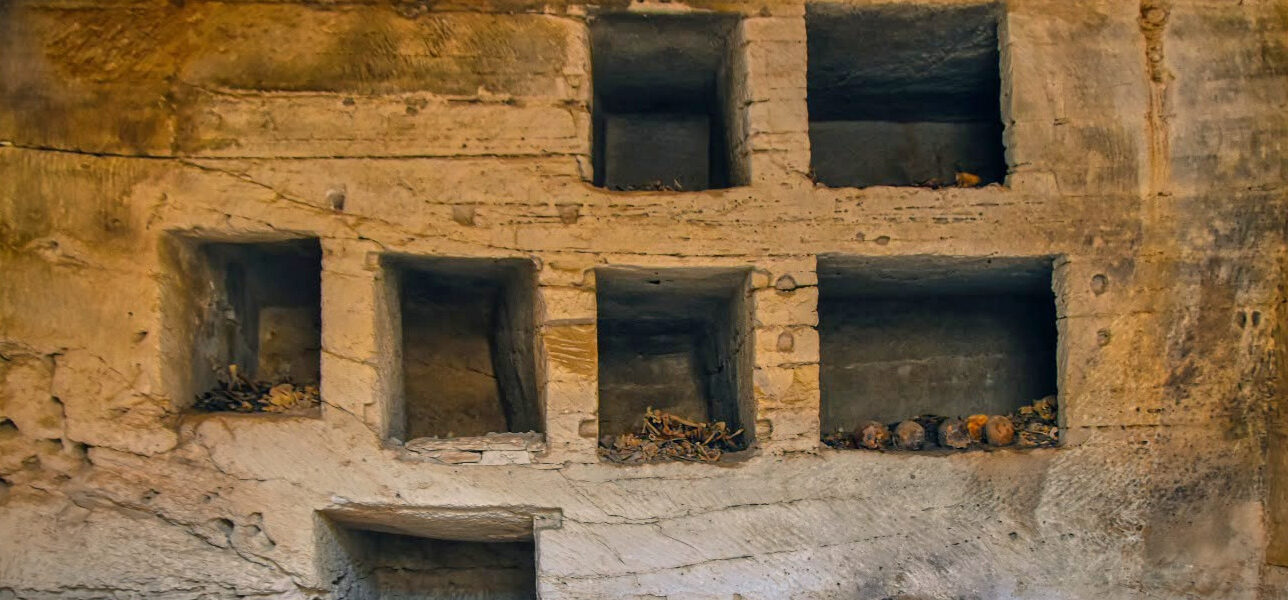
It wasn’t a glittering tomb filled with pharaonic finery that emerged. No, this was something more pedestrian, more profound: a working city, complete with residences, workshops, and even—crucially, for those tracing the faint lines of religious history—a church and monastic cells. Imagine, if you will, the sheer grit required to establish a functioning community here, in a landscape that actively resists life. They were true believers, weren’t they? And probably a little bit mad.
This discovery isn’t just another notch on the belt of Egypt’s Supreme Council of Antiquities—though it’s certainly that, too. This find, deep within an area typically considered inhospitable, scrambles our tidy understanding of where and how early Christian communities thrived. It forces us to reconsider the geographical footprint of early monasticism, pushing its known boundaries farther west than many scholars previously imagined possible. These weren’t isolated hermits in distant caves; they were part of a surprisingly interconnected network, adapting to truly hostile environments.
And let’s be frank, Egypt loves these kinds of finds. They’ve become almost routine, haven’t they? Every few months, there’s a press conference, a flurry of official statements about unique findings. It’s a calculated gamble, showcasing a rich heritage as a cornerstone of its sputtering tourism industry. The sheer volume of discoveries, according to the country’s Ministry of Tourism and Antiquities, suggests a staggering [QUOTE_PLACEHOLDER] archaeological missions are currently active across various sites, indicating a concerted effort. It’s not just about what they find, but the optics of the finding itself. It’s brand management on a national scale.
This city, thought to date from the 5th to 7th centuries AD, comes with tantalizing hints about its inhabitants’ lives. Pottery, tools, some fabrics—the mundane detritus of daily existence—paint a picture of a hardy populace. They cultivated olives — and date palms, managed water sources with impressive ingenuity. One wonders about the conversations they had, the prayers they muttered, the fears that kept them up at night. The vastness around them, a perpetual reminder of their vulnerability. But they stayed. They built. For a time.
And speaking of staying, the very survival of this city’s remnants offers a silent commentary on the transient nature of power. The Byzantines, direct heirs to the Eastern Roman Empire, eventually lost Egypt to the Rashidun Caliphate in the 7th century. This desert outpost, clinging to life, would have seen its world turn on a dime. Its very existence likely continued for a period after the formal conquest, a quiet testament to localized endurance while empires clashed elsewhere. This echoes the enduring cultural currents that often outlast political seismic shifts, even across the broader Muslim world.
📄 POLICY WIRE WHITEPAPER PUBLISHED: PAKISTAN'S NATIONAL SECURITY POLICY PRIORITIES
👉 READ BY CLICKING HEREThe desert isn’t just sand, it’s a time capsule. This discovery reminds us that the Islamic expansion wasn’t into a blank slate but a complex mosaic of existing cultures and faiths. These Christian communities didn’t simply vanish. They evolved, they adapted, they sometimes retreated deeper into the land. You see similar resilience across other landscapes too, say, with ancient Buddhist sites in Afghanistan that existed long after the rise of Islam in the region—a subtle thread connecting disparate corners of the wider South Asian and Muslim spheres, showing continuity beneath the waves of change.
What This Means
This discovery isn’t just dust — and old stones; it’s a political asset, plain and simple. Egypt’s government leverages these finds to project stability, to attract foreign currency through tourism, and to bolster a narrative of continuous, deep-rooted civilization. With inflation pinching pockets and the Suez Canal’s revenue under pressure, anything that puts Egypt in a positive global light is snapped up greedily. This newfound Byzantine city becomes a talking point for diplomatic engagements, a shiny bauble for cultural diplomacy.
Economically, more discoveries mean more reason for tour groups to brave the desert heat. But it also presents logistical challenges: who funds the ongoing preservation of these increasingly remote sites? How do you protect them from looting—a persistent shadow over Egypt’s archaeological treasures—when they’re miles from anywhere? And what does this tell us about the government’s priorities? Perhaps they’re saying, Look, we’re not just about modern troubles; we’re stewards of millennia. It’s a calculated distraction, really, from the grinding, present-day concerns. Or maybe it’s hope.