


World Cup Penalty Miss: Geopolitics, Pressure & Zlatan
Discover how one World Cup penalty miss triggers geopolitical ripples, impacting national pride, global sports economics, and soft power dynamics.

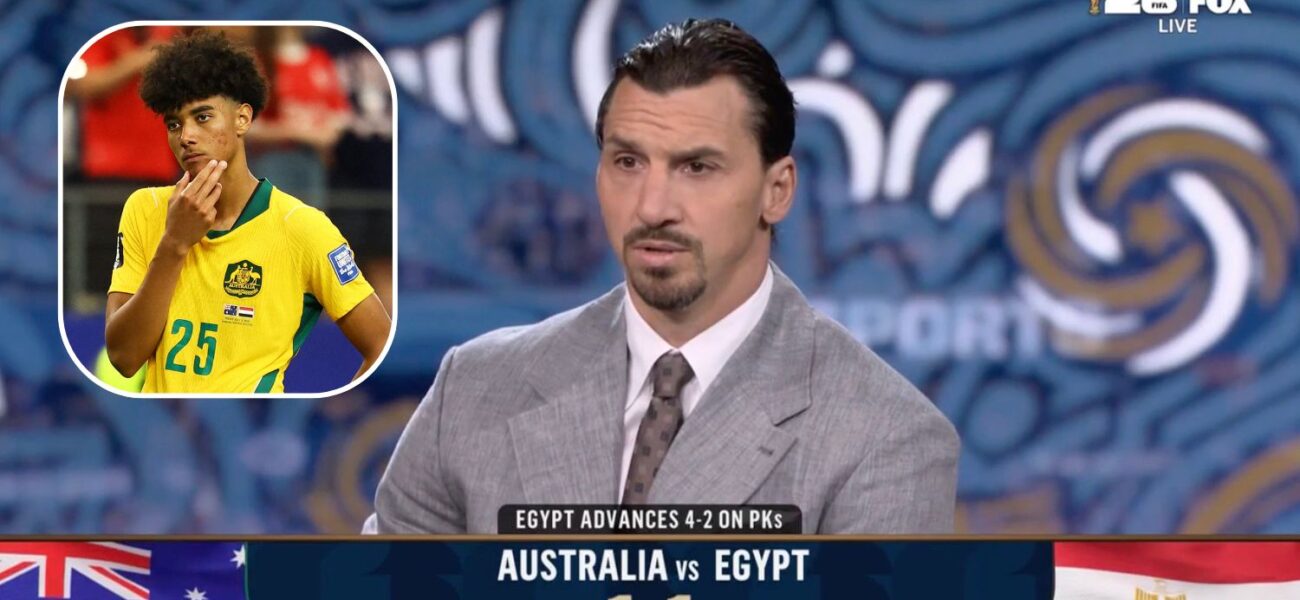
POLICY WIRE — Washington D.C. — The crack of a football against a crossbar, a sound almost imperceptible over the roar of the Arlington crowd, nevertheless reverberated with the force of a geopolitical tremor across half the world. For 18-year-old Lucas Herrington, Australia’s burgeoning talent, that fractional second spelled the abrupt end of a FIFA World Cup dream and, in its wake, triggered a public discussion far beyond mere sporting misfortune. Because sometimes, a miss isn’t just a miss; it’s a raw, public dissection of expectation, a nation’s collective hope, and the brutal arithmetic of professional sport.
It was a Round of 32 clash, Australia locked in a tense battle against an emboldened Egyptian squad. The stakes, immense. When the whistle blew for penalties, the air hung thick with dread — and fervent prayer. Herrington, a kid barely out of school who plies his trade stateside with the Colorado Rapids, stepped up. The world held its breath. His strike, precise yet ultimately unlucky, thudded against the woodwork. Egypt, riding a wave of national pride — and a significant fan turnout, went on to secure its berth in the next stage. It wasn’t pretty. It wasn’t supposed to happen.
Enter Zlatan Ibrahimović, the former Swedish football titan turned Fox Sports World Cup studio analyst, whose post-match commentary often skirts the line between acerbic honesty and unfiltered wisdom. Zlatan, never one to shy away from grand pronouncements—or unexpected empathy—delivered a characteristically blunt yet undeniably compassionate message to the young Australian.
“Penalty is like lottery,” Ibrahimović explained, his distinctive cadence slicing through the usual post-game platitudes. “You score, you become my hero. You don’t score; sadly, you become zero. But I just want to reach out to Herrington. You’re eighteen years old. You’re young. This is just the beginning of your career. You stepping up there, you show a lot of courage. Not everybody would do that. My friend, you’re the best. Don’t listen to the rest.”
But it’s not just about encouragement. This isn’t some Sunday league kickabout. It’s the World Cup. For nations, particularly those grappling for a stronger presence on the global sporting stage, every victory, every near-miss, gets amplified. Just look at the outpouring in places like Cairo, where the Egyptian team’s progression ignited widespread street celebrations—a potent symbol of regional pride that goes beyond the pitch. That energy? It’s tangible. It reflects growing investments in sports infrastructure across the Muslim world, from Riyadh to Karachi, hoping to translate talent into international triumphs.
The incident wasn’t lost on officials, either. “Such moments, though agonizing, forge character — and steel the resolve of our future stars,” remarked Mr. Alistair Jenkins, a spokesperson for the Australian Football Federation, in a statement released Saturday morning. “We stand by Lucas — and every young player who dares to face the immense pressure of international competition. His journey is just beginning.”
📄 POLICY WIRE WHITEPAPER PUBLISHED: PAKISTAN'S NATIONAL SECURITY POLICY PRIORITIES
👉 READ BY CLICKING HEREBut the incident, though small in isolation, hints at larger forces. The financial machinery of global football, for example. Consider that FIFA generated over $7.5 billion in revenue for the 2022 World Cup cycle alone, a figure largely propelled by television rights and sponsorships. Every heroic moment, every tragic miss, fuels that beast. Players like Herrington, irrespective of their missteps, become cogs in an ever-expanding commercial and national narrative.
It’s all part of the theatre, isn’t it? The public’s insatiable hunger for heroes and villains, the media machine ready to canonize or condemn at a moment’s notice. And it leaves a youngster, an MLS prospect no less, caught in the crosshairs. But perhaps Zlatan had it right: a lottery. A brutal one, sometimes. Sometimes, the chips just don’t fall your way.
What This Means
This penalty miss, seemingly a purely sporting affair, carries distinct implications, both political — and economic. On one hand, it exposes the brutal reality of a globalized sports economy that increasingly valorizes individual performance under extreme pressure. Herrington’s very public misstep could, paradoxically, increase his commercial appeal through sheer recognition—or it could weigh heavily on a nascent career already facing the relentless transfer merry-go-round of elite club football. Nationally, Australia’s exit dampens a collective spirit that often rallies around sporting achievements, particularly given the continent’s fervent pride in athletic prowess. Politically, governments often leverage such moments, successes or failures, to promote national unity or justify sporting infrastructure spending. For Egypt, however, their progress symbolizes a burgeoning presence in global football, bolstering regional pride and potentially attracting more international investment into their domestic leagues. It’s not just about 22 men and a ball; it’s about soft power, brand recognition, and the delicate balance of national aspirations played out on a world stage, one agonizing shot at a time. The emotional investment from publics in Muslim-majority nations in teams like Egypt or Morocco (who achieved historic runs in previous tournaments) illustrates this keenly, showing how sporting narratives can intertwine with identity and external perception.