


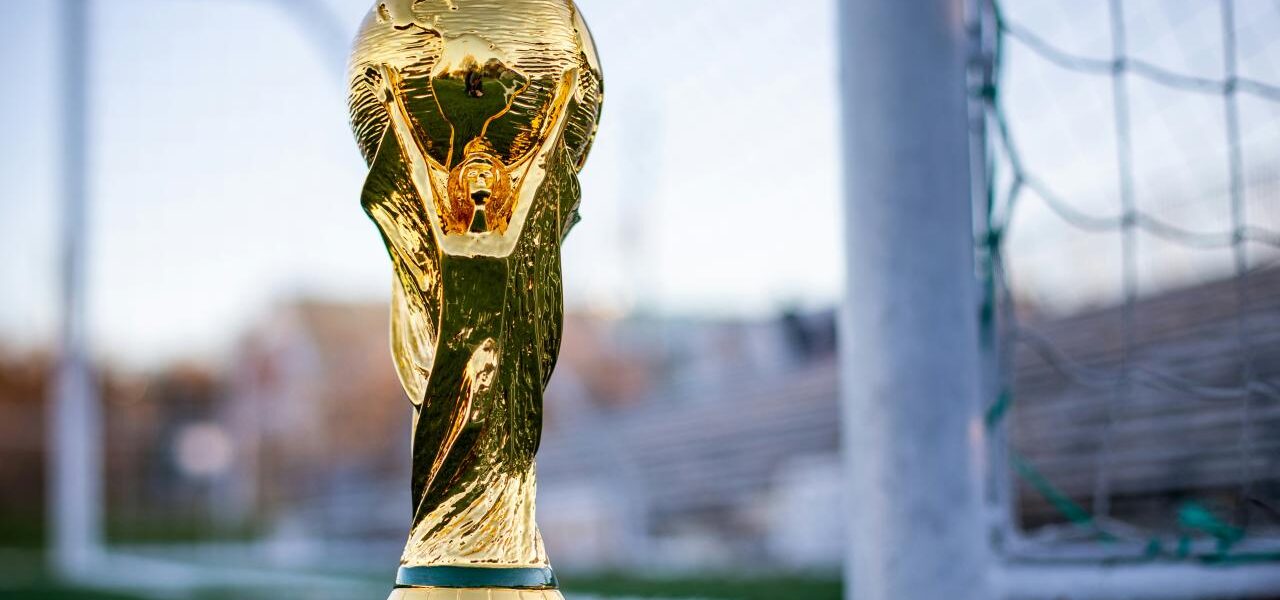
World Cup: Global Power Play on the Pitch
Unpack the World Cup's true stakes. The Round of 16 is a global stage where nations project power, influence economies, and define identities.

POLICY WIRE — Zurich, Switzerland — Let’s be honest. Nobody really cares about predicted lineups because of their Fantasy World Cup roster. Not entirely, anyway. Oh sure, there’s a cottage industry for that — the arcane art of trying to second-guess a coach’s tactical whims or an athlete’s fitness wobble. But for the rest of us, especially those tracking the grander, messier movements of nations, these seemingly innocuous rosters are economic barometers, geopolitical battle plans, and mirrors reflecting raw national pride. What happens on the pitch is often a shadow play of what’s happening, or what’s hoped for, in the chancelleries and boardrooms of the world.
It’s easy to dismiss these prognoses as mere sporting conjecture. But they’re not. They’re frameworks for expectations, setting the stage for triumphs that ignite economies and losses that leave more than just fans dejected. Consider the suggested clashes for the 2026 Round of 16: Canada vs. Morocco, Paraguay vs. France, Brazil vs. Norway, Mexico vs. England, USA vs. Belgium, Portugal vs. Spain, Argentina vs. Egypt, Switzerland vs. Colombia. That’s a list, isn’t it? A roster of narratives waiting to explode, where a single disallowed goal can spark global headlines far beyond the sports pages.
And look at the sheer weight of these events. This isn’t just a game; it’s big business. Last cycle, FIFA itself reported gross revenues of $7.5 billion from the 2022 World Cup alone, a staggering sum demonstrating the sport’s unparalleled financial gravity. That money sloshes through sponsorships, broadcasting rights, and the tourism economies of host cities—making these host nations particularly anxious to see their teams advance, or at least perform commendably.
“This competition, at its heart, is about identity,” FIFA President Gianni Infantino told reporters last month, offering a slightly strained smile. “It’s about showing the world what you stand for, your grit, your creativity, your collective spirit. We don’t see nations anymore; we see families uniting for a common dream.” A fine sentiment, you’d think, if not for the knowledge that ‘identity’ and ‘grit’ translate directly into market exposure and multi-million dollar sponsorships. Families unite, yes, but those families also consume vast amounts of merchandise — and pay premium subscription fees.
But the stakes stretch well past the immediate cash registers. Take the anticipated Morocco-Canada match-up. Morocco’s rise on the global football stage hasn’t just thrilled fans; it’s provided a powerful soft power boost for the entire Muslim world. A strong showing from a North African nation reverberates across continents, particularly in South Asia where football’s popularity is ever-growing, yet major successes often feel distant. Nations like Pakistan, with its enormous youth demographic, watch keenly, dreaming of their own ascension even while grappling with their domestic sporting challenges. It’s a unifying force, but also a quiet pressure for broader regional recognition.
📄 POLICY WIRE WHITEPAPER PUBLISHED: PAKISTAN'S NATIONAL SECURITY POLICY PRIORITIES
👉 READ BY CLICKING HERE“We can’t simply talk about football anymore without discussing the geopolitical undercurrents,” noted Dr. Anya Sharma, a political economist specializing in global sports impact at the London School of Economics. “For a country like Morocco, making a deep run doesn’t just boost tourism; it reinforces national narratives, potentially even aiding diplomatic efforts or investment attractiveness. These aren’t just 22 men on a pitch; they’re walking, running ambassadors.” She isn’t wrong. These predicted paths aren’t merely about goals; they’re about positioning on a much larger, more serious world stage.
USA vs. Belgium? An old guard European giant versus a nation trying to cement its place in the global elite – particularly as a co-host. Mexico vs. England, a classic colonial echo on Mexican soil? Each pairing teases out specific rivalries — and aspirations, all wrapped in the ostensibly friendly guise of sport. The sheer drama, the economic infusion, the diplomatic ripples – they’re all baked into these early predictions.
What This Means
The projection of these Round of 16 lineups isn’t a humble offering for fantasy managers; it’s a detailed forecast of economic impact and national narratives. When commentators muse over whether Brazil can overcome Norway or if France will dispatch Paraguay, they’re unknowingly, or perhaps knowingly, dissecting potential revenue streams, shifts in global perception, and the validation of specific cultural identities. A Moroccan upset, for instance, isn’t just a football story; it’s a potent signal of an emerging power from the Global South, capable of challenging established European and South American hegemonies. It alters perspectives, opens new dialogue. Conversely, the early exit of a perennial favorite—say, England—doesn’t just spark outrage in tabloids; it can send ripples through merchandising markets and challenge the self-perception of a sporting superpower. This isn’t just about who plays whom. This is about who gets to project what, — and where, on the most watched stage on Earth. The next few weeks aren’t about simple knockout football; they’re a test of mettle for nations, for economies, and for the intricate dance of international relations. Because, at the end of the day, sport is never just sport.