


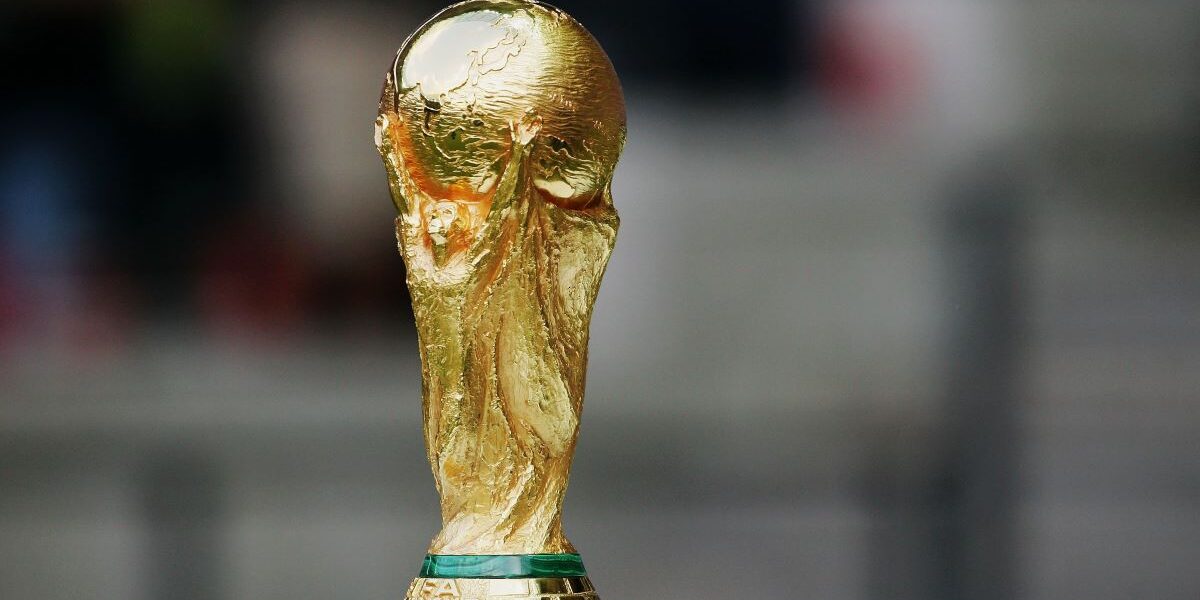
England vs. Mexico: World Cup Last 16 & Geopolitical Drama
England faces co-host Mexico in a tense World Cup Last 16 clash. Discover the football, national pride, and geopolitical drama behind this high-stakes match.

POLICY WIRE — Kansas City, USA — The English press, ever the masters of anticipatory self-flagellation, are already dissecting potential failures before the whistle has even blown. Yes, England scraped through a skirmish with DR Congo—a decidedly unglamorous affair for a squad of such perceived pedigree. Now, though, the Three Lions aren’t just facing another opponent; they’re staring down the collective, boisterous ambition of a World Cup co-host, Mexico, in a Last 16 clash that promises more than just footballing prowess.
It’s an awkward narrative, isn’t it? An aging imperial power, still clinging to notions of sporting dominance, finds itself potentially upstaged by a vibrant, emergent host nation eager to claim its place on the global stage. Forget the ticket queues and speculative lineups for a moment—the real story here is the quiet, simmering geopolitical drama playing out on Kansas City’s pitch. This isn’t just a game; it’s a barometer of national will, — and frankly, a hefty economic proposition for FIFA.
And let’s be blunt: England hasn’t exactly set the tournament alight. They’ve stumbled, played tentatively, — and the ghost of past collapses hovers like a stubborn fog. Mexico, conversely, has been a revelation—four games, four wins, zero goals conceded. It’s a clean slate of defiance, powered by the kind of feverish home support that could melt concrete. They’re playing with something to prove, certainly. England, it seems, is still playing with something to lose.
Thomas Tuchel, England’s stoic German tactician, understands the weight of expectation. “Look, we’re not here to be tourists,” he stated, a subtle edge to his typically measured tone, following the DR Congo stumble. “The Congo game, yes, it was a wobble, a real wake-up call. But these lads—they’ve got grit. Mexico’s flying high on what feels like home soil, that’s undeniable. We respect that. But England, we play to win, no matter the roar of the crowd. It’s what we do.” A sentiment undoubtedly intended to steady nerves back in Blighty, though perhaps not entirely convincing given recent form.
But the Mexicans? They’re tasting blood. Ignacio ‘Nacho’ Flores, President of the Mexican Football Federation, didn’t mince words when addressing his jubilant squad and the awaiting press. “This isn’t just about 90 minutes. It’s about ‘El Tri’ representing a nation, showcasing our hospitality — and our fierce passion. As co-hosts, we carry the weight of expectations, but we’ve always risen to the occasion. England’s a storied side, yes, but this is our tournament, on our ground. The world’s watching our resurgence.” You don’t get much clearer than that, do you?
The English contingent, whispers suggest, might see Reece James return at right-back, bolstering a defence that’s been, well, somewhat porous. Thomas Tuchel is rumored to be mulling over an aggressive tactical tweak, possibly starting Bukayo Saka alongside Anthony Gordon—youthful exuberance to counter Mexico’s disciplined intensity. It’s a gamble, maybe. A move that screams desperation, perhaps.
Mexico, meanwhile, isn’t likely to stray from their winning formula: a rock-solid defence led by Vazquez and Montes, with their midfield dynamos Alvarez and Mora orchestrating transitions. They’ve perfected the art of the swift counter, relying on clinical finishes from the likes of Jimenez — and Quinones. Their unity is palpable; it’s a machine built on momentum — and national pride. You don’t mess with that.
📄 POLICY WIRE WHITEPAPER PUBLISHED: PAKISTAN'S NATIONAL SECURITY POLICY PRIORITIES
👉 READ BY CLICKING HEREHistorically, England holds the edge, with six wins out of nine encounters, including a rather definitive 2-0 victory back in the 1966 World Cup. But past glories don’t count for much when you’re standing on the precipice, against a side whose national economy is projected to gain upwards of $4 billion from its co-hosting duties, according to a recent FIFA economic impact report. Money talks, even when goals are silent.
What This Means
This match is a miniature geopolitical contest, not just a sporting fixture. For England, elimination would be a blow to national morale and—let’s be honest—brand England, reinforcing anxieties about a post-Brexit identity struggling for relevance. It’s not just football; it’s soft power in action, or inaction. And a early exit could sting.
For Mexico, a deep run amplifies its growing international stature, validating its ambitious infrastructure projects for the tournament and bolstering a sense of continental leadership. A win here would serve as a powerful psychological boost, transcending mere sports to cement a narrative of national ascendance.
Even beyond the direct participants, the resonance is broad. Nations across the global south, including those in the Muslim world like Pakistan, avidly follow these contests. Football’s universal appeal means these results aren’t just digested by fanatics in London or Guadalajara; they’re debated in Lahore and Jakarta, often through the lens of perceived power dynamics or simply as a cherished, shared cultural experience. Because in a world often fractured, this sport still provides a common language. And that’s something no politician—or tickets hawker—can ever truly buy.