


England’s WC: Mexico City’s Policy Ordeal
England's World Cup in Mexico City isn't just football. High altitude, fan tactics, and FIFA's chaos turn the tournament into a policy ordeal.

POLICY WIRE — Mexico City, Mexico — When an English football squad touches down for a World Cup clash, one expects headlines about tactics or superstar drama. But not here. Not this time. Mexico City, with its dizzying altitude and impassioned populace, has thrown more than just a welcome party; it’s delivered a full-blown masterclass in geopolitical theater, where every hotel lobby becomes a skirmish line and even the weather gets to play a villain.
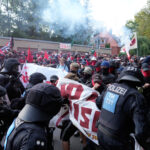
England’s arrival wasn’t met with roses. Oh no. It was a cacophony of jeers and shouts, a raw, pulsating expression of local fervor—or perhaps, antagonism—that’s left observers wondering if this is a tournament, or a thinly veiled psychological operation. They’re here, don’t forget, to face tournament co-hosts Mexico, — and the locals? They aren’t holding back. There’s nothing subtle about it.
The English contingent had already tried to keep their accommodations a secret, a futile gesture it turns out. Hundreds of boisterous Mexicans—chanting their nation’s name, booing the opposition—greeted the team coach as it rolled in on Friday. It felt less like a sporting event, more like a scene from an espionage thriller, players confined, almost besieged. And it all kicked off after reports from the previous round where Ecuador, beaten 2-0 by Mexico, complained to FIFA about having their slumber — a footballer’s most sacred ritual, arguably — disturbed by an endless parade of horns, motorcycles, and blaring loudspeakers through the dead of night.
“Look, we appreciate the passion of the fans, really, we do,” an unnamed official from Mexico’s Football Federation told Policy Wire, a touch too smoothly. “But ensuring the well-being — and rest of all participating teams is something we take very seriously. Sometimes, though, the spirit of competition, you know, it just bubbles over.” It certainly bubbled. The atmosphere in Mexico City isn’t just a sporting challenge; it’s a policy conundrum wrapped in a riot of sound.
But the real wrench in England’s works wasn’t just the nocturnal noise. It was FIFA itself. The global football body floated, then rescinded, a bizarre proposal to pull the game forward by six hours, all because of an impending storm. Five and a half hours of frantic calls, back-and-forth arguments, and sheer chaos followed—just days before one of the most important matches of England’s current World Cup run. Both the English Football Association (FA) — and Mexico’s FMF were reportedly incensed. They weren’t just frustrated; they were furious. You just don’t do that to teams this close to a knockout stage match.
Then there’s the altitude. It’s no secret: Mexico City sits roughly 2,240 meters above sea level. This isn’t just a number; it means less oxygen. A lot less. Ideally, athletes need a good week or two to adapt, letting their bodies generate more red blood cells, preparing for the lung-burning effort that awaits. England, adhering to FIFA rules for mandatory open training sessions, arrived just two days before. That’s hardly enough time to get used to merely walking up a flight of stairs without huffing — and puffing. According to a study published in the American Journal of Respiratory and Critical Care Medicine, ambient oxygen levels in cities like Mexico City can be approximately 23% lower than at sea level. That’s a game-changer.
📄 POLICY WIRE WHITEPAPER PUBLISHED: PAKISTAN'S NATIONAL SECURITY POLICY PRIORITIES
👉 READ BY CLICKING HEREAnd these challenges—the psychological warfare of fan noise, the logistical disarray orchestrated by FIFA, the invisible foe of high altitude—they underscore a bigger narrative. They echo similar situations found in other corners of the sporting world, especially in nations where sports isn’t just a game, but a mirror to national identity and rivalry. Think of the visceral, often frenetic, encounters between India — and Pakistan in cricket. Those matches frequently transcend the boundaries of sport, becoming crucibles where geopolitical tensions and historical narratives are momentarily played out—complete with fervent home support that, at times, walks a tightrope between passion and intimidation. Just like the cultural jostling in India, every grand event is a stage, ripe for various expressions of national will, however discomfiting to the ‘away’ team.
“We train for every scenario, every opponent,” declared England manager Gareth Southgate, in a tone that bespoke a man who’d seen it all—except perhaps this much organizational incompetence. “But frankly, some things, you just can’t prepare for. The pitch is one thing; everything else? That’s for others to sort out.” His dry exasperation was almost palpable.
What This Means
The unfolding drama in Mexico City isn’t just about football; it’s a telling snapshot of the intricate, often messy, dynamics inherent in global events. FIFA, as a transnational body, ostensibly exists to ensure fair play, but its arbitrary decisions regarding scheduling — driven by seemingly predictable weather, no less — point to administrative failings that reverberate beyond the locker room. This kind of bureaucratic fumbling creates not just competitive disadvantages for teams like England, but also raises questions about host nation preparedness and the global perception of major tournaments. It forces associations, governmental or otherwise, to react to crises that are entirely preventable, diverting resources and focus from the very spectacle they’re meant to facilitate. Host nations, eager to project an image of capability and welcoming hospitality, risk tarnishing their international standing when such issues surface. This episode is a potent reminder that, in the complex tapestry of international sport, every decision—from hotel security to weather contingency planning—carries significant policy implications, subtly shaping diplomatic relations and economic investment beyond the roar of the crowd. It serves as a stark warning to other aspiring host cities, even those in rapidly developing regions like those eyeing future Asian Games or major sporting showcases: reputation, once eroded by organizational chaos, can be incredibly difficult to restore. It impacts future bids, tourism, — and even trade relationships.