


Uzbekistan: Silk Road’s Bid for Deeper Tourism
Discover Uzbekistan's bold new tourism strategy: encouraging longer, immersive stays on the ancient Silk Road. Learn how this shift benefits locals and offers deeper cultural experiences.

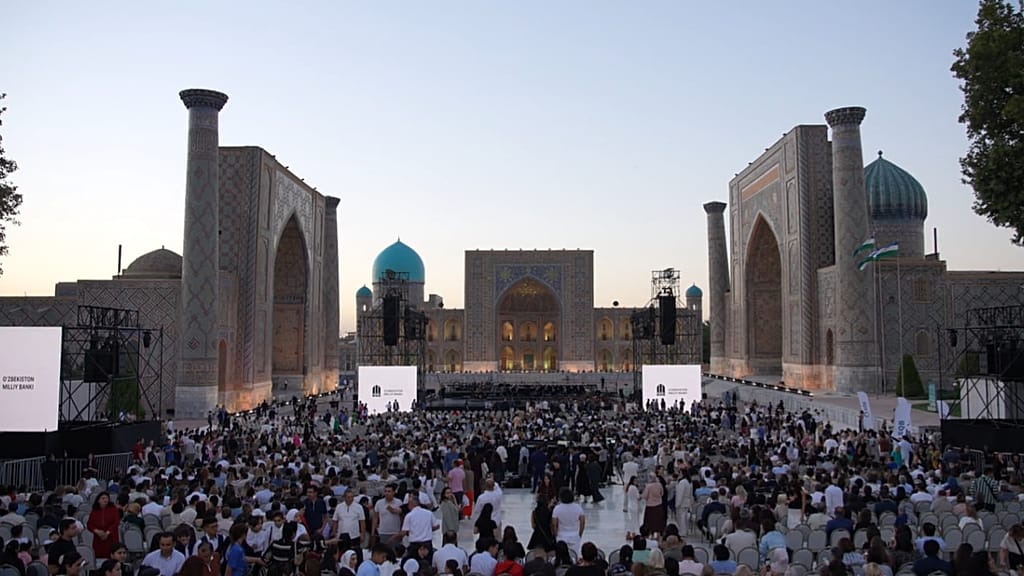
POLICY WIRE — Tashkent, Uzbekistan — The modern traveler, it often feels, has mastered the art of the fleeting visit. Swipe, snap, gone—a checklist completed, another digital trophy secured for the timeline. But not everyone’s playing that game. Down in Central Asia, where the ancient Silk Road unfurled its trade routes for centuries, one particular nation, Uzbekistan, is tired of being just another rapid photo op. They’ve decided to flip the script, beckoning visitors to ditch the whistle-stop tour and really dig in—for more than just a selfie with Registan Square.
It’s a bold move, really, this push to transform its tourism landscape. For years, folks swooped in, saw the mosques, perhaps haggled for a carpet, and then zipped out, bound for the next Instagrammable landmark. The country’s authorities, however, are now championing an altogether different vision: longer stays, deeper immersion, more economic juice. The typical tourist currently averages just over five days in the country, a statistic recently highlighted in a presentation by the Ministry of Tourism and Cultural Heritage. They’re keen to push that average up, significantly.
Because, let’s face it, five days isn’t enough to properly savor the pilaf, or really get under the skin of Samarkand’s storied history, or even grasp the evolving vibe of its bustling capital. The government’s plan involves a multi-pronged offensive. You’ve got new flight routes being unveiled—making the journey easier, for one thing. Then there’s the ongoing upgrade of hotel infrastructure; old Soviet-era eyesores are giving way to something a bit more comfortable, something you’d actually want to spend more than a night or two in. And perhaps most interestingly, there’s a strong marketing push that leans into adventure tourism, eco-travel, and culinary journeys—things that, by their nature, demand more time.
But changing visitor habits is a tough nut to crack. This isn’t just about glossy brochures. It’s about building an entire ecosystem that encourages a leisurely pace. They’re making the argument that beyond the stunning architecture, there’s a living, breathing culture, vibrant bazaars, and hospitality that deserves more than a cursory glance. Officials want to make it known that their country offers a comprehensive experience that warrants a minimum of a week, if not ten days. And they’ve explicitly stated that their ambition is to establish Uzbekistan as [QUOTE_PLACEHOLDER] a year-round destination [QUOTE_PLACEHOLDER] rather than solely reliant on seasonal rushes.
They aren’t just selling ancient ruins; they’re trying to sell a slower narrative, an engagement with the everyday life that happens behind the grand facades. It’s an interesting pivot, moving from pure historical sight-seeing to an all-encompassing cultural immersion. And if it works, it could redefine the regional tourism economy, spurring local entrepreneurship in places often overlooked by the fast-paced tourist. We’re talking homestays, artisanal workshops, specialized guides—all the ingredients for a deeper dive.
This initiative doesn’t exist in a vacuum, mind you. Pakistan, just south, shares much of the historical and cultural DNA of the broader Muslim world, a connection easily traced along ancient trading paths. Its northern areas, particularly, offer similar prospects for adventure tourism that demands extended stays. Both nations—and many others in the greater South Asian and Central Asian spheres—grapple with this balancing act: attracting tourist dollars while preserving authenticity and distributing economic benefits equitably. Uzbekistan’s current strategy could very well provide a blueprint—or a cautionary tale—for its regional neighbors struggling with similar aspirations for sustainable tourism development. [QUOTE_PLACEHOLDER] Our focus isn’t just on numbers, but on the quality of experience and the benefits for our communities [QUOTE_PLACEHOLDER], a ministry spokesperson might’ve said, articulating a sentiment increasingly common in destinations globally.
📄 POLICY WIRE WHITEPAPER PUBLISHED: PAKISTAN'S NATIONAL SECURITY POLICY PRIORITIES
👉 READ BY CLICKING HEREAnd let’s be frank: it won’t be a cakewalk. You’ve got competition from established European destinations, the allure of Southeast Asia, and even the rapid growth of Saudi Arabia as a new tourism contender. It means they’re gotta hustle—hard. But when you’ve got UNESCO World Heritage Sites by the dozen and a heritage steeped in empire and intellect, you’ve got a decent hand to play, don’t you?
What This Means
Uzbekistan’s deliberate shift towards attracting longer-stay tourists holds several political and economic implications, both domestically and for the broader region. Economically, this move signifies an intent to maximize tourist spend, transforming fleeting visitors into significant revenue contributors. Longer stays mean more bookings for local hotels, sustained patronage for restaurants, greater demand for craftspeople, and potentially more employment across the hospitality sector. It’s a bid for a higher economic multiplier effect, aiming to trickle money down into local economies beyond just monument entry fees. From an international trade perspective, strengthening tourism ties could also naturally lead to expanded diplomatic and cultural exchanges, making Uzbekistan a more recognized and stable player on the global stage. It also allows for more targeted investments in specialized tourism infrastructure, like eco-lodges or niche cultural experience centers, creating a more diversified tourism product.
Politically, this strategy reflects a calculated move to present a more nuanced image of the nation. It challenges preconceived notions of a post-Soviet state, projecting an identity rooted in deep cultural heritage and a modern, welcoming demeanor. Successfully executing this vision requires significant governmental coordination across various ministries—from infrastructure and transport to foreign affairs and culture—showcasing the government’s capability to orchestrate complex national development initiatives. For regional stability, a successful Uzbek tourism model could inspire other nations, such as Afghanistan or Pakistan, to re-evaluate their own tourism potential and pursue similar strategies. Improved regional connectivity through tourism initiatives can also enhance cooperation and foster stability among historically intertwined but often fractious neighbors. It’s less about simple visits — and more about forging lasting connections; a savvy bit of soft power, one might argue.