

Russia’s Ukraine Claims: War’s Global Ripple Effect
Moscow claims new gains in Ukraine, but the war's true impact extends globally. Discover how this attritional conflict fuels economic instability, tests Western resolve, and reshapes geopolitics...

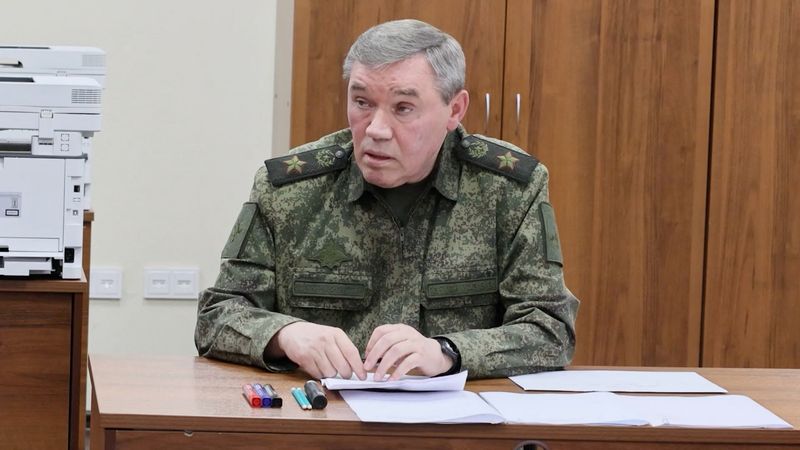
POLICY WIRE — KYIV, UKRAINE — In the sprawling, shattered landscape of eastern Ukraine, where every meter costs blood and metal, another communiqué drifts from Moscow. It’s always an official statement, isn’t it? A carefully constructed declaration dropped into the ongoing, grinding reality of war, demanding attention while much else crumbles. The Russian defence ministry recently announced that its forces captured Kostiantynivka in eastern Ukraine. A small town, perhaps, but one more ripple in a conflict that seems perpetually stuck in a grim, low-gear churn.
It’s the kind of announcement that feels almost perfunctory now, part of a rhythm beaten out by two years of sustained, brutal fighting. One side claims a gain, the other disputes, or perhaps just ignores, absorbed by their own dire concerns. You’ve seen this script before. We all have. But behind the dry wording of military communiqués, a complex web of geopolitical stakes tightens, influencing everything from grain prices in Karachi to defense budgets in Washington. [QUOTE_PLACEHOLDER]
Kostiantynivka, a strategic node of rail — and road junctions, doesn’t rewrite the war’s narrative by itself. But every claimed capture, however minor, feeds into the broader perception of momentum—or its absence. Moscow’s media machine will spin this, naturally, as yet another step towards its opaque objectives. But what it really underscores is the sheer, exhausting attrition. Both sides are pouring lives — and resources into a meat grinder that moves agonizingly slowly. It’s a bitter contest of will, financed by distant allies and suffered by immediate populations.
This war isn’t just about Ukraine, you see. It’s a barometer of global stability, or more accurately, instability. And countries far removed from the immediate frontlines feel its chilling effects. Think about Pakistan. Heavily reliant on global markets for energy and commodities, nations like Pakistan are highly susceptible to the ripple effects of conflicts in the Euro-Atlantic theatre. Volatility in energy markets—partially spurred by the war—translates directly into higher fuel costs, inflating everything from food transportation to manufacturing inputs. This kind of external shock only compounds existing economic stresses in South Asia, where inflationary pressures are already a constant, gnawing concern for millions of households.
And let’s be blunt: when Moscow makes these claims, it’s not just talking to Kyiv. It’s talking to Beijing, to Tehran, — and certainly to its own weary populace. It’s an attempt to project strength, to maintain internal cohesion, and to send a signal to global players that its strategic objectives, however muddled, remain in motion. This persistent narrative is designed to erode the will of Ukraine’s Western backers, chipping away at their resolve with each incremental territorial announcement. But does it work? That’s the real sixty-four-thousand-dollar question, isn’t it?
Ukrainian officials, as expected, have yet to confirm the Kostiantynivka development, often letting such claims hang in the air as they gather their own facts. It’s a calculated silence, a denial by omission, perhaps. We’re used to it. The fog of war is thickest, sometimes, in the official statements issued hours—or days—later. But here’s a hard statistical reality: According to a recent analysis by the Council on Foreign Relations, more than 30% of Ukraine’s territory remains occupied by Russian forces or subject to active hostilities, illustrating the protracted nature of this brutal conflict.
📄 POLICY WIRE WHITEPAPER PUBLISHED: PAKISTAN'S NATIONAL SECURITY POLICY PRIORITIES
👉 READ BY CLICKING HEREWestern intelligence agencies will be scrutinizing this report closely, trying to parse strategic importance from mere propaganda. Because intelligence doesn’t just inform policy; it shapes perception, it builds—or demolishes—consensus. For the West, a seemingly endless conflict brings with it increasing donor fatigue. Leaders face the awkward task of justifying continuous, enormous aid packages to a skeptical public. It’s an uncomfortable dance, keeping international coalitions together when there’s no clear end in sight. That’s the messy part of grand strategy, it often gets bogged down in domestic politicking.
And so, Kostiantynivka is simply another marker in this grim progression. It’s not a decisive turning point, not a major shift in the frontlines. It’s just more blood, more ground lost or gained, more weary headlines. But each one reminds us of the terrible price, and the wider, agonizing reverberations across a world that can’t quite turn away.
What This Means
The alleged capture of Kostiantynivka, if true, represents less a military triumph and more a propaganda coup for Moscow, particularly intended for its domestic audience and less committed international partners. It allows the Kremlin to project an image of steady, albeit slow, progress. For Ukraine, it’s another tough spot—an operational setback that saps morale and stretches already thin resources. Economically, this continued grinding conflict fuels global uncertainty. Remember how those gas prices shot up? That instability, coupled with commodity market jitters, keeps global supply chains strained and inflationary pressures alive. Think of how a single incident on a Black Sea shipping route—an area still contested by this war—can send shockwaves through countries dependent on wheat, affecting millions. Politically, the slow march of Russian advances, however small, could test the unity — and resolve of Western allies. Sustaining military — and financial aid to Kyiv becomes harder when perceived gains are incremental and victories rare. For countries in the Muslim world, and particularly South Asia, the war’s prolongation remains an aggravating factor for economic stability, foreign policy alignment, and internal dissent, forcing tough choices between traditional partners and emergent power blocs. There’s a subtle but definite tilt happening on the geopolitical chessboard, and these small, bloody advances are pieces moving into place.